
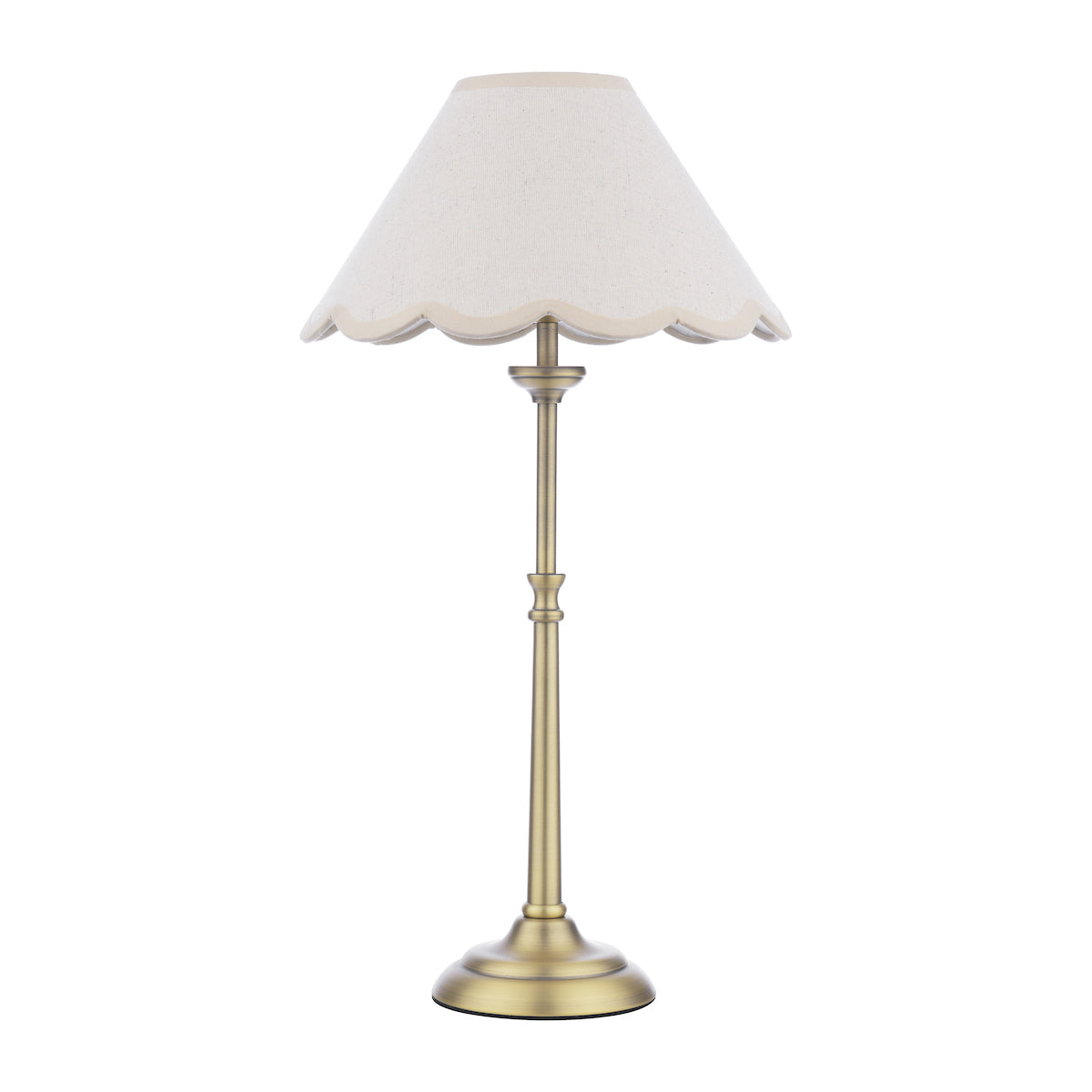
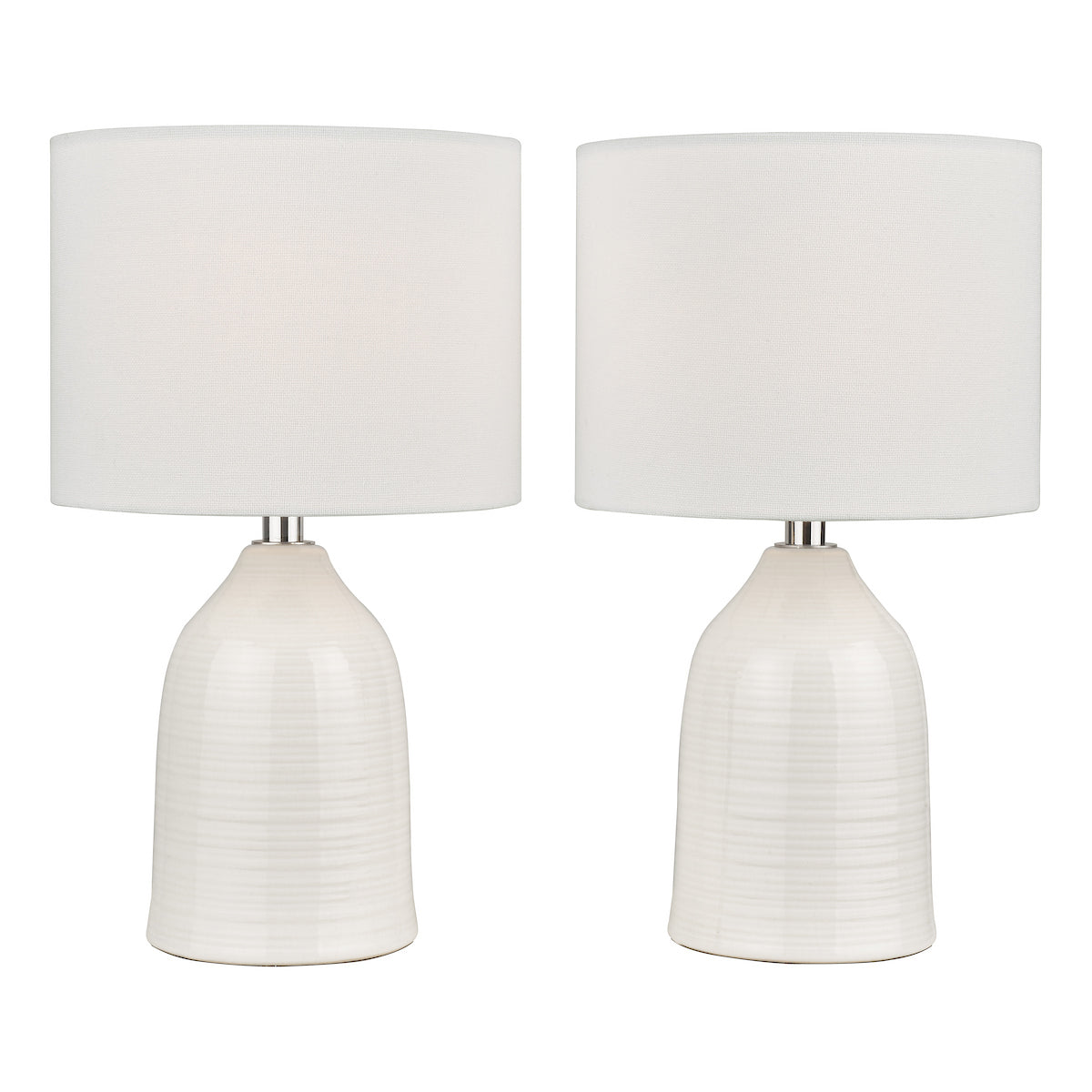
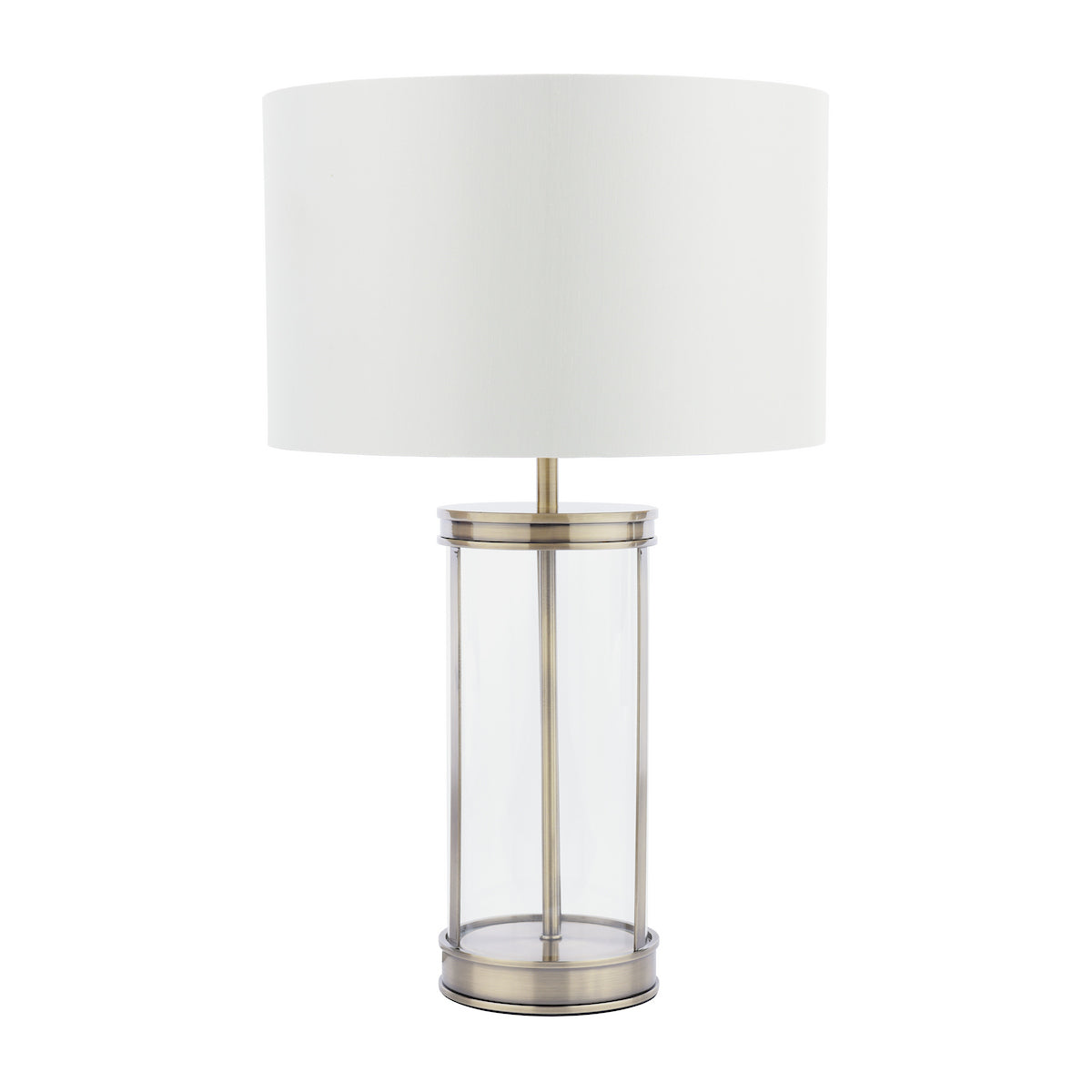
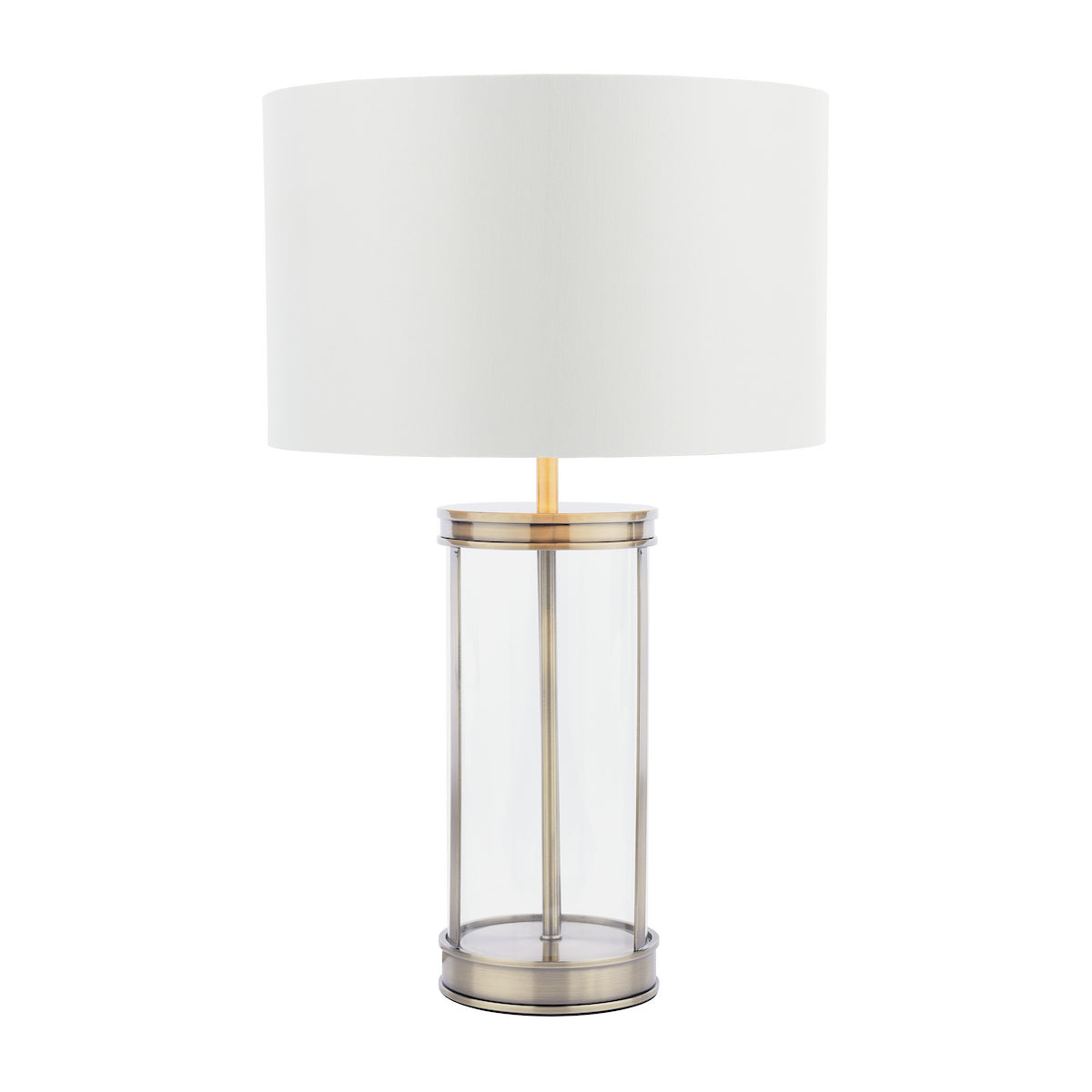
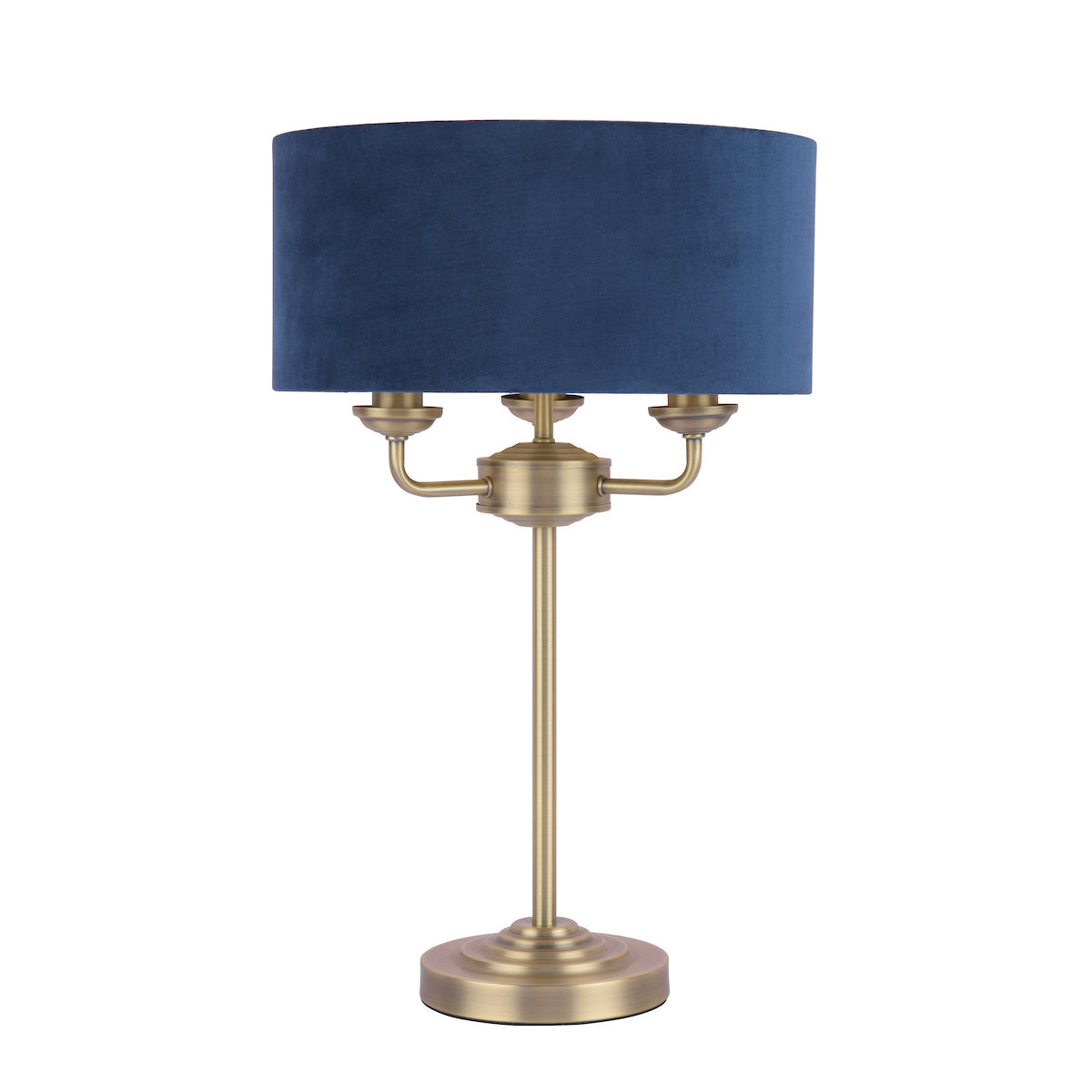
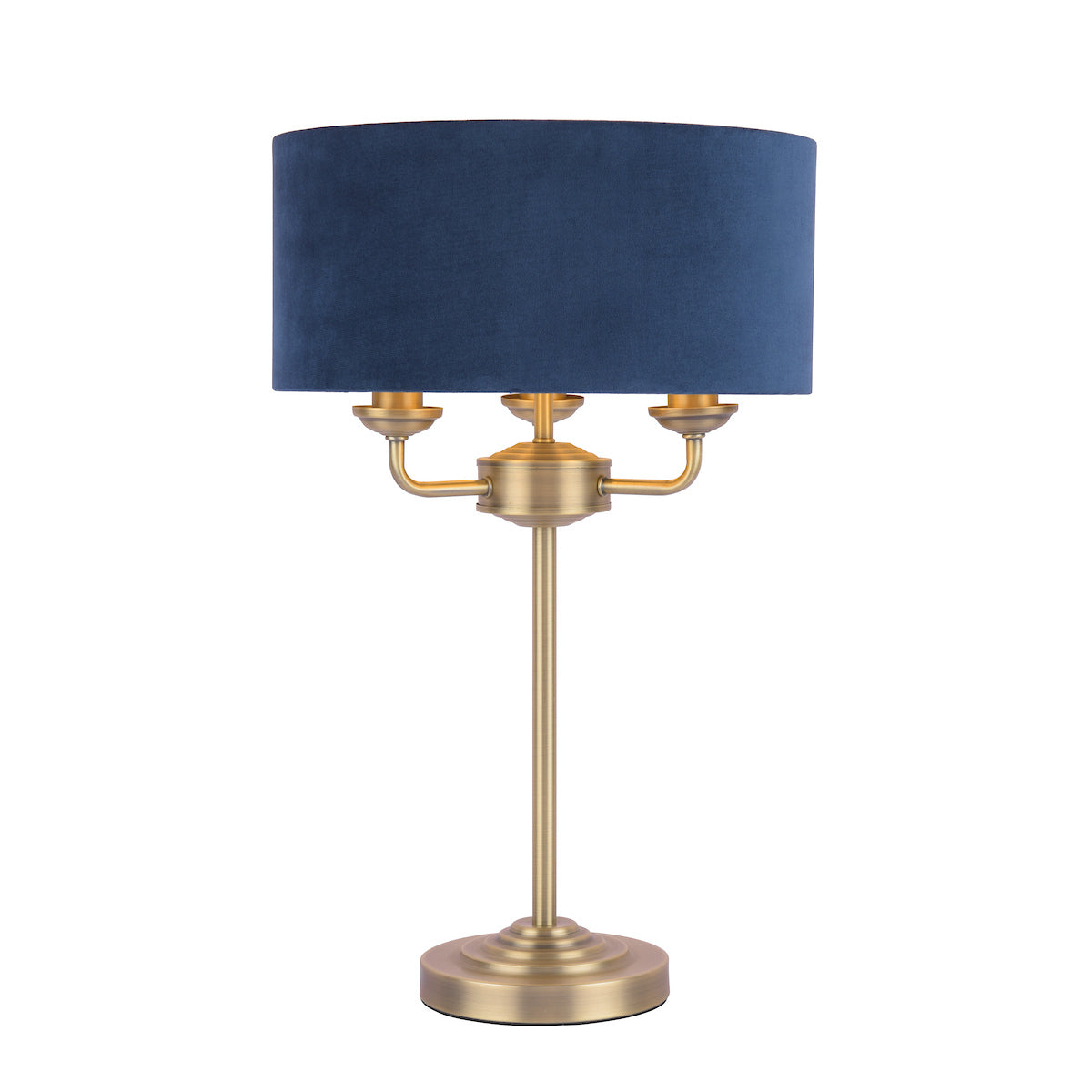
Table lamps for bedsides, hall consoles, side tables and desks. Ceramic, glass, brass and stone bases, with shades to match or mix.
How to size a lamp to the furniture it sits on is below the collection.
The layer that does the most work
If a room only gets one thing added to it, a table lamp is usually the right thing. It puts light at seated height, which the ceiling cannot do, and it puts it in the specific corner that needs it rather than spreading it thinly everywhere.
It also costs nothing to install. No electrician, no ladder, no waiting for a free Saturday. You take it out of the box and the room is better that evening.
Two lamps at opposite ends of a living room will transform it more reliably than any ceiling fitting will. Light coming from two low points creates shape and shadow. Light from one high point flattens everything it touches.
Sizing a table lamp
| Where it's going | Total lamp height | Notes |
|---|---|---|
| Bedside table | Around 60–70cm | The bottom of the shade should sit near eye level when you are sitting up in bed. Too tall and the bulb is in your face. |
| Side table beside a chair | Around 65–75cm | Bottom of the shade at shoulder height when seated, so light falls on a book rather than into your eyes. |
| Hall console | Taller, 70–80cm | Seen standing rather than seated, so it can carry more height. A pair either side of a mirror works well. |
| Sideboard or dresser | 70–80cm | A pair reads as deliberate. A single lamp on a long sideboard tends to look stranded. |
| Desk | 45–55cm, adjustable | Position to the side so light comes across the work rather than bouncing off a screen. |
| Any surface | Roughly 1.5× the height of the table | A rough rule that works surprisingly often when nothing else is guiding you. |
One check that catches most mistakes: sit down where you would normally sit. If you can see the bulb holder, the lamp is too tall for that spot or the shade is too shallow.
Base and shade
The base is the part you keep and the shade is the part you change. Bases outlast fashions. Shades can be changed once a room gets repainted.
If you are buying base and shade separately, the shade should be about two-thirds the height of the base and wider than its widest point. A shade narrower than the base always looks wrong, no matter how good either piece is on its own.
Pairs
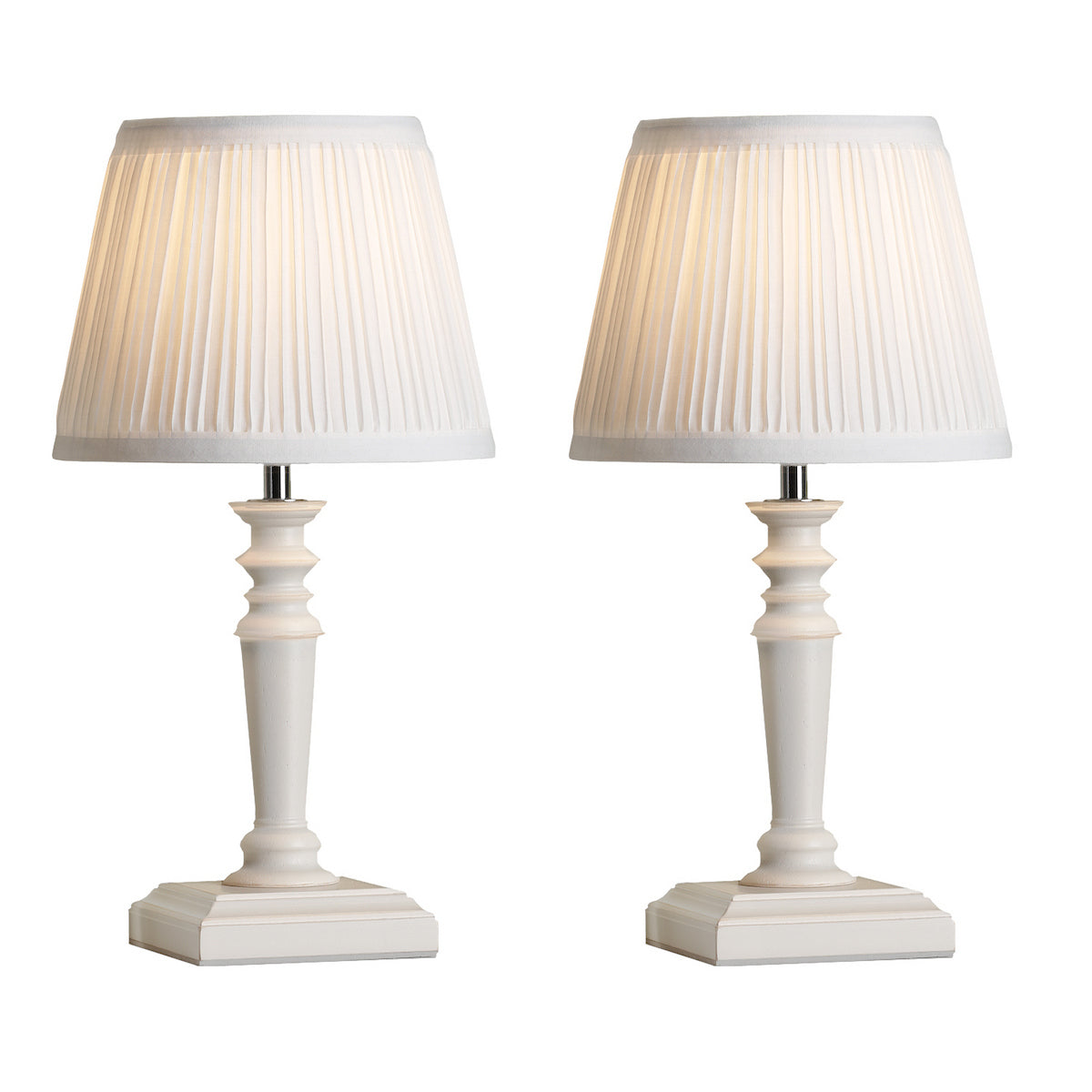
Lamps in pairs do something singles do not. They frame a bed, a sideboard or a mirror, and they give a room symmetry that reads as considered rather than accidental.
They do not have to be identical. Matching shades on slightly different bases works well and often looks better than a perfect pair, because it stops the arrangement feeling like a showroom.
Practical points
Check where the socket is before you commit to a position. A lamp with a flex trailing across a walkway is a nuisance and a hazard.
Switching matters more than people expect. Lamps switched at the flex, behind furniture, tend to go unused. A lamp on an inline switch, a smart plug or a switched socket gets turned on every evening. That difference decides whether the lamp does anything for the room at all.
Come and see them lit
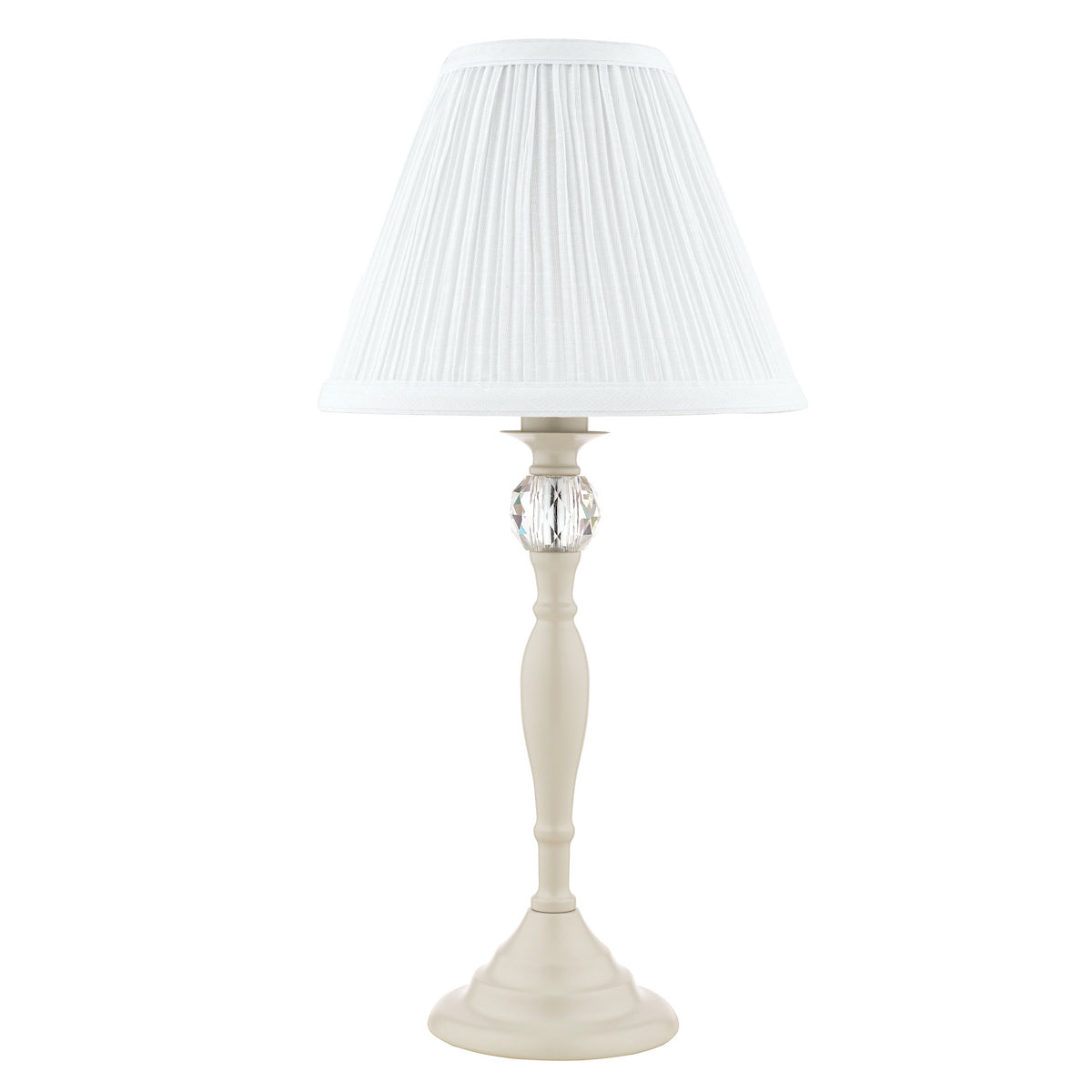
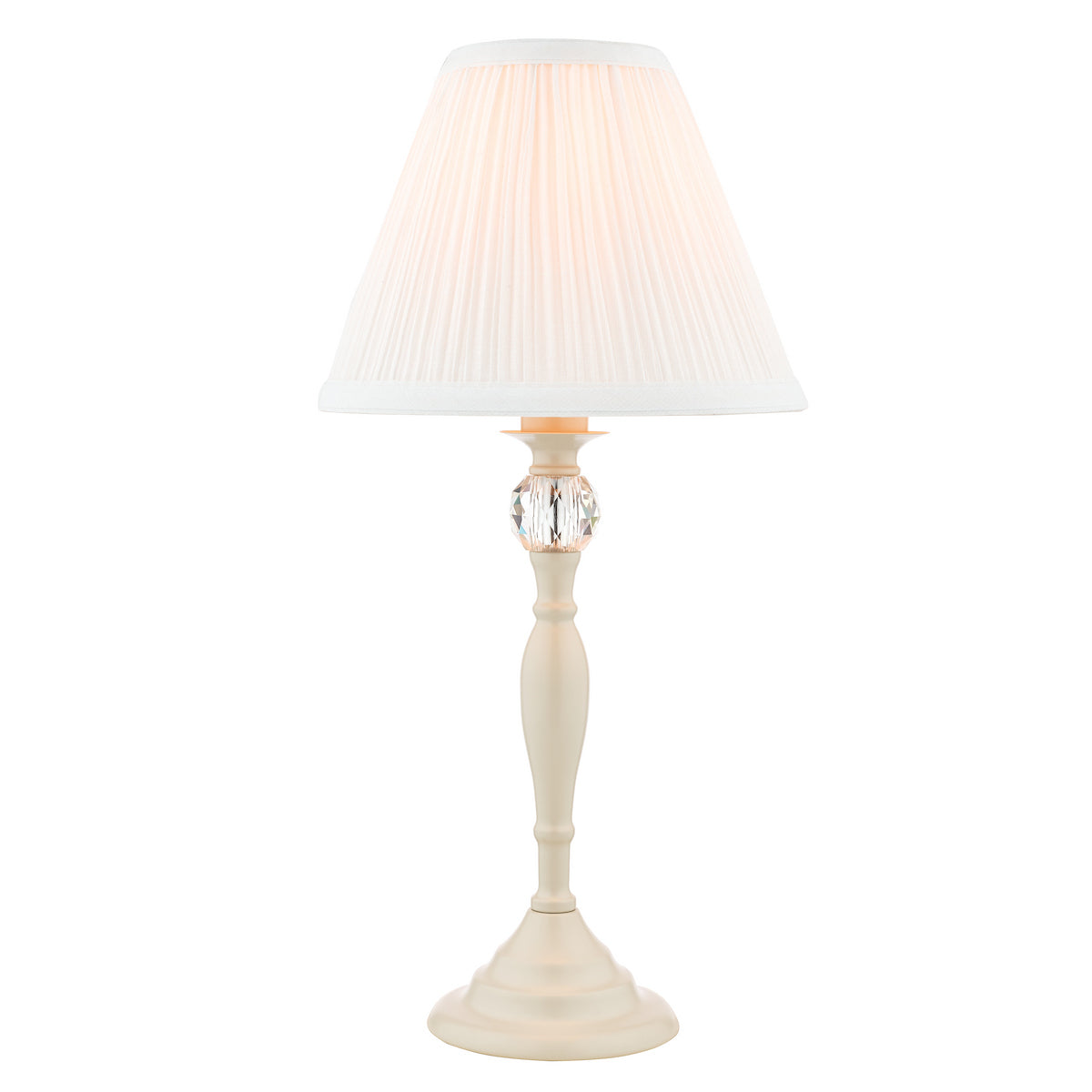
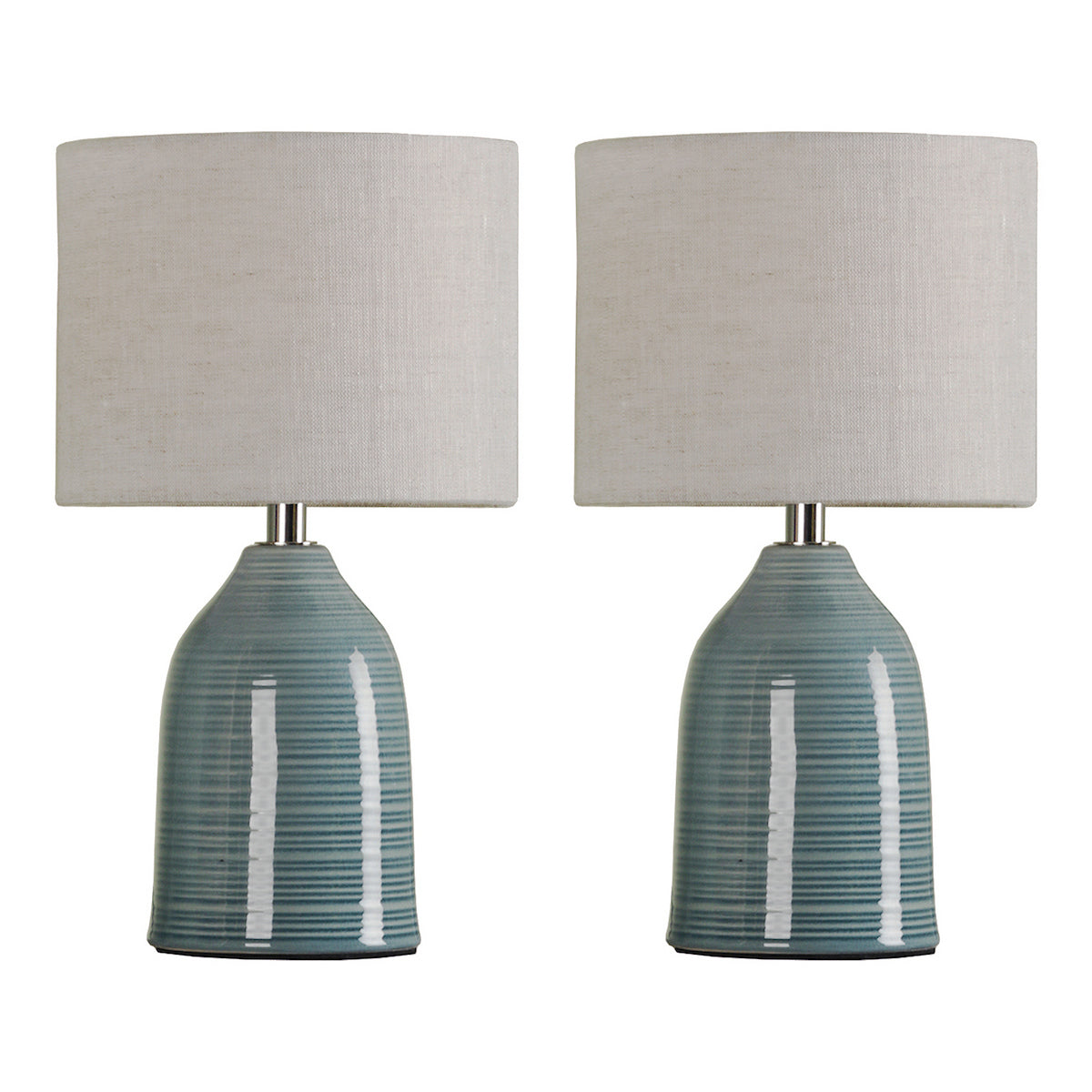
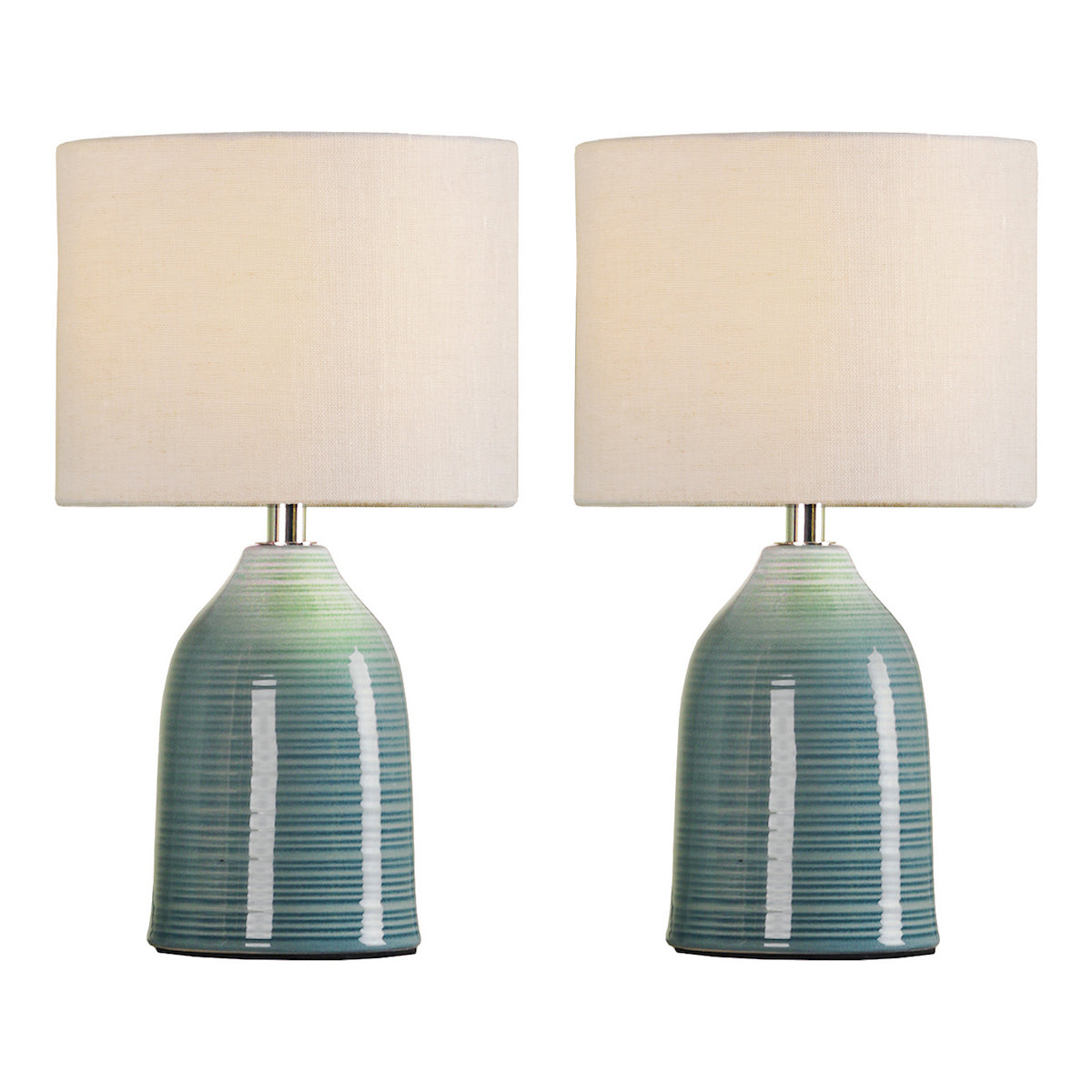
Scale is hard to read from a photograph on a white background. Standing beside a lamp tells you immediately whether it suits the table you have in mind. Our showroom in Donabate, Co. Dublin has a large part of the range up and lit, and you are welcome to bring a shade or a base in to match against.
Table lamps: your questions answered
How tall should a table lamp be?
Roughly one and a half times the height of the table it sits on. More usefully, sit down where you would normally sit: if you can see the bulb holder, the lamp is too tall or the shade is too shallow.
What size lamp suits a bedside table?
Around 60 to 70cm in total height. The bottom of the shade wants to sit near eye level when you are sitting up in bed.
Do table lamps need to match in a pair?
Not exactly. Matching shades on slightly different bases usually looks better than an identical pair, because it feels collected rather than bought as a set.
Can I buy the base and shade separately?
Yes, and most people do. Aim for a shade about two-thirds the height of the base and wider than its widest point, and check the fittings match.
Do I need an electrician for a table lamp?
No. It plugs into a socket and works straight out of the box.
How many lamps does a living room need?
At least two, at opposite ends. Two low light sources give a room shape. One overhead light flattens it.
Browse the rest of the range
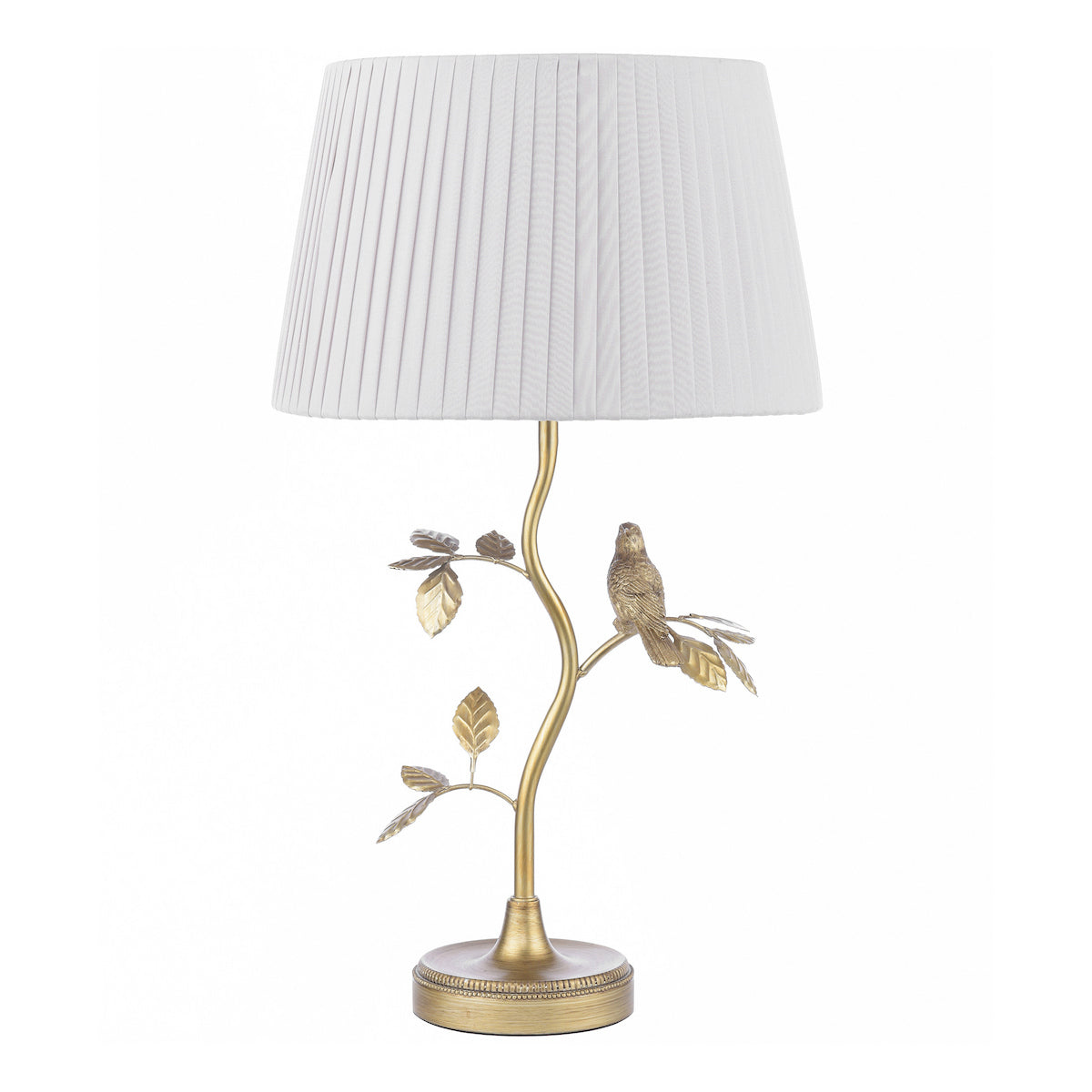
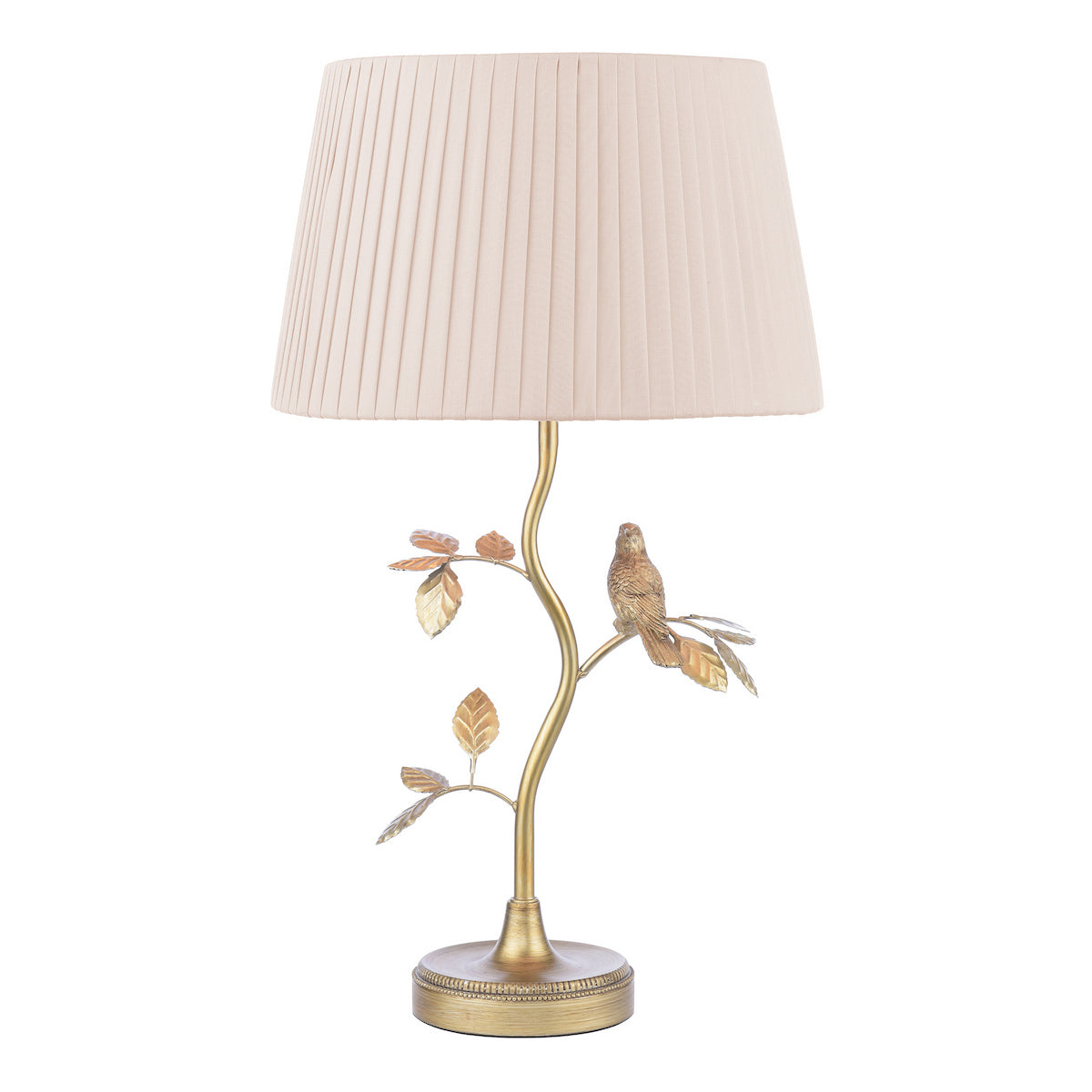


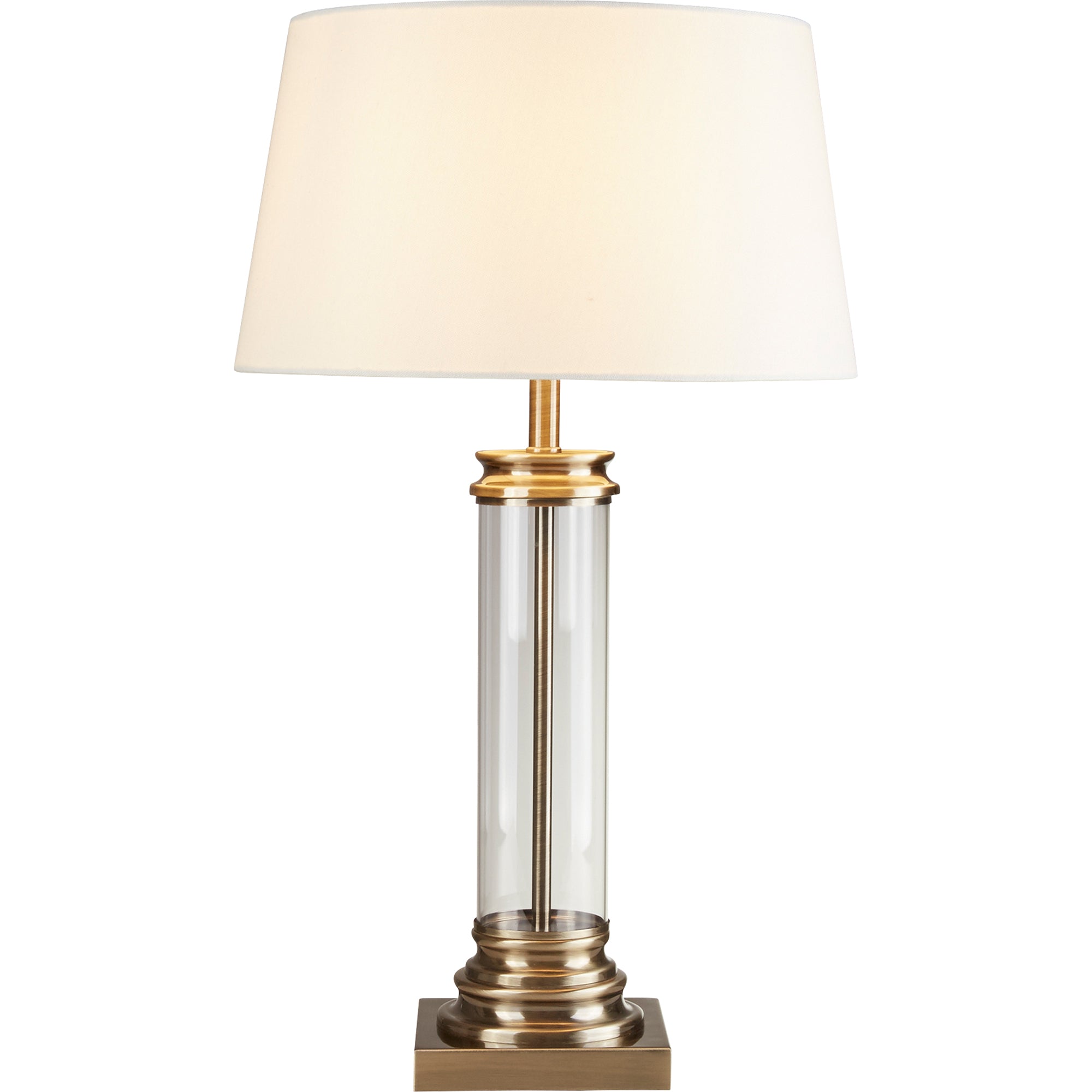
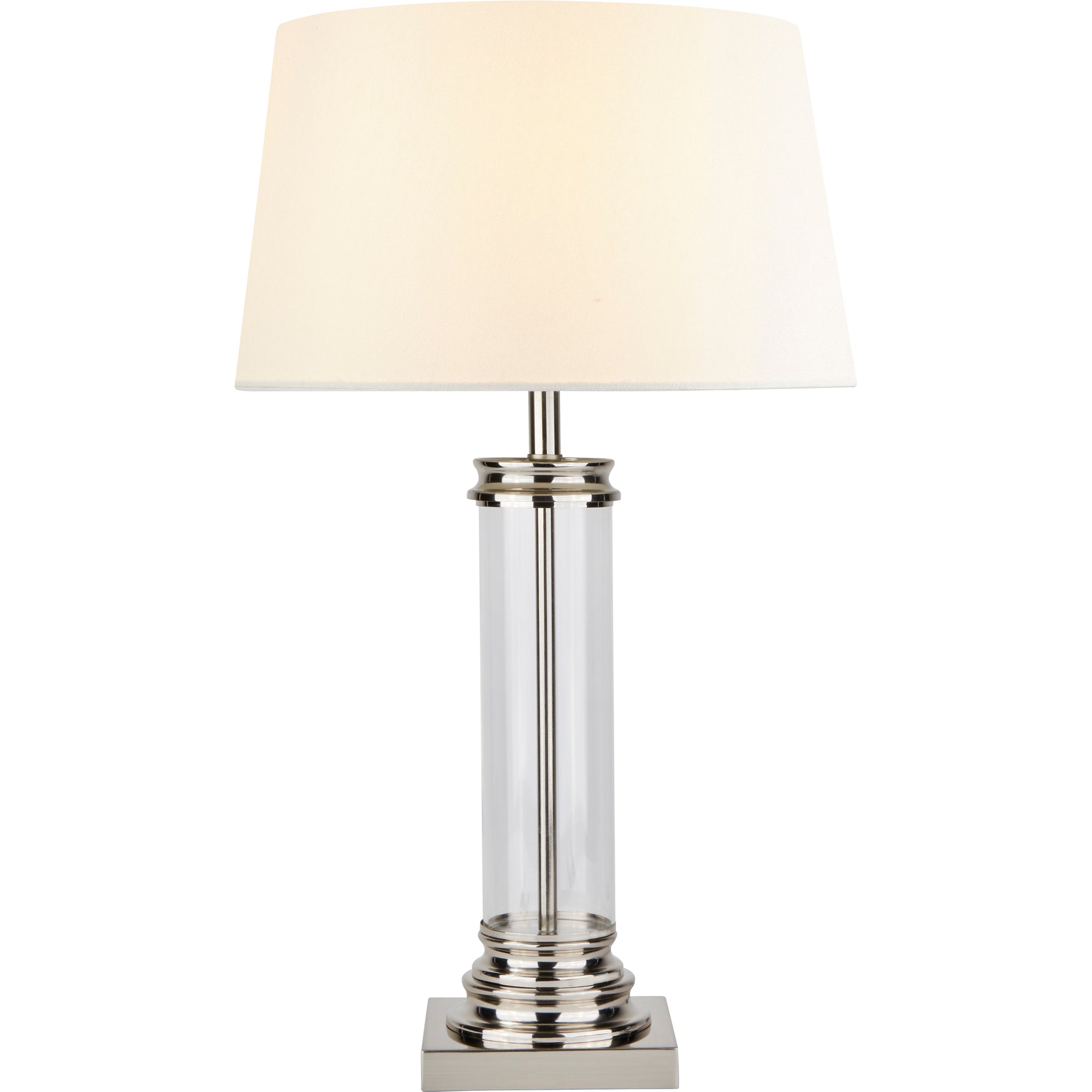

Recently viewed
Match Your Switch
Table Lamps
Table lamps for bedsides, hall consoles, side tables and desks. Ceramic, glass, brass and stone bases, with shades to match or mix.
How to size a lamp to the furniture it sits on is below the collection.
The layer that does the most work
If a room only gets one thing added to it, a table lamp is usually the right thing. It puts light at seated height, which the ceiling cannot do, and it puts it in the specific corner that needs it rather than spreading it thinly everywhere.
It also costs nothing to install. No electrician, no ladder, no waiting for a free Saturday. You take it out of the box and the room is better that evening.
Two lamps at opposite ends of a living room will transform it more reliably than any ceiling fitting will. Light coming from two low points creates shape and shadow. Light from one high point flattens everything it touches.
Sizing a table lamp
| Where it's going | Total lamp height | Notes |
|---|---|---|
| Bedside table | Around 60–70cm | The bottom of the shade should sit near eye level when you are sitting up in bed. Too tall and the bulb is in your face. |
| Side table beside a chair | Around 65–75cm | Bottom of the shade at shoulder height when seated, so light falls on a book rather than into your eyes. |
| Hall console | Taller, 70–80cm | Seen standing rather than seated, so it can carry more height. A pair either side of a mirror works well. |
| Sideboard or dresser | 70–80cm | A pair reads as deliberate. A single lamp on a long sideboard tends to look stranded. |
| Desk | 45–55cm, adjustable | Position to the side so light comes across the work rather than bouncing off a screen. |
| Any surface | Roughly 1.5× the height of the table | A rough rule that works surprisingly often when nothing else is guiding you. |
One check that catches most mistakes: sit down where you would normally sit. If you can see the bulb holder, the lamp is too tall for that spot or the shade is too shallow.
Base and shade
The base is the part you keep and the shade is the part you change. Bases outlast fashions. Shades can be changed once a room gets repainted.
If you are buying base and shade separately, the shade should be about two-thirds the height of the base and wider than its widest point. A shade narrower than the base always looks wrong, no matter how good either piece is on its own.
Pairs
Lamps in pairs do something singles do not. They frame a bed, a sideboard or a mirror, and they give a room symmetry that reads as considered rather than accidental.
They do not have to be identical. Matching shades on slightly different bases works well and often looks better than a perfect pair, because it stops the arrangement feeling like a showroom.
Practical points
Check where the socket is before you commit to a position. A lamp with a flex trailing across a walkway is a nuisance and a hazard.
Switching matters more than people expect. Lamps switched at the flex, behind furniture, tend to go unused. A lamp on an inline switch, a smart plug or a switched socket gets turned on every evening. That difference decides whether the lamp does anything for the room at all.
Come and see them lit
Scale is hard to read from a photograph on a white background. Standing beside a lamp tells you immediately whether it suits the table you have in mind. Our showroom in Donabate, Co. Dublin has a large part of the range up and lit, and you are welcome to bring a shade or a base in to match against.
Table lamps: your questions answered
How tall should a table lamp be?
Roughly one and a half times the height of the table it sits on. More usefully, sit down where you would normally sit: if you can see the bulb holder, the lamp is too tall or the shade is too shallow.
What size lamp suits a bedside table?
Around 60 to 70cm in total height. The bottom of the shade wants to sit near eye level when you are sitting up in bed.
Do table lamps need to match in a pair?
Not exactly. Matching shades on slightly different bases usually looks better than an identical pair, because it feels collected rather than bought as a set.
Can I buy the base and shade separately?
Yes, and most people do. Aim for a shade about two-thirds the height of the base and wider than its widest point, and check the fittings match.
Do I need an electrician for a table lamp?
No. It plugs into a socket and works straight out of the box.
How many lamps does a living room need?
At least two, at opposite ends. Two low light sources give a room shape. One overhead light flattens it.