
Lighting for bedrooms: semi-flush ceiling fittings, bedside lamps, wall lights and small pendants.
How to layer a bedroom, and what height to hang things, is below the collection.
A room with two completely different jobs
A bedroom needs to be bright enough to find a matching pair of socks at seven in the morning and dim enough to read in at eleven at night. Those are opposite requirements, and one ceiling fitting on one switch cannot serve both.
Most Irish bedrooms are lit by a single central light and nothing else, which is why so many of them feel either glaring or gloomy with nothing in between. The fix is not a better ceiling light. It is a second and third layer, each on its own switch.
The three layers
| Layer | What to use | Height and placement |
|---|---|---|
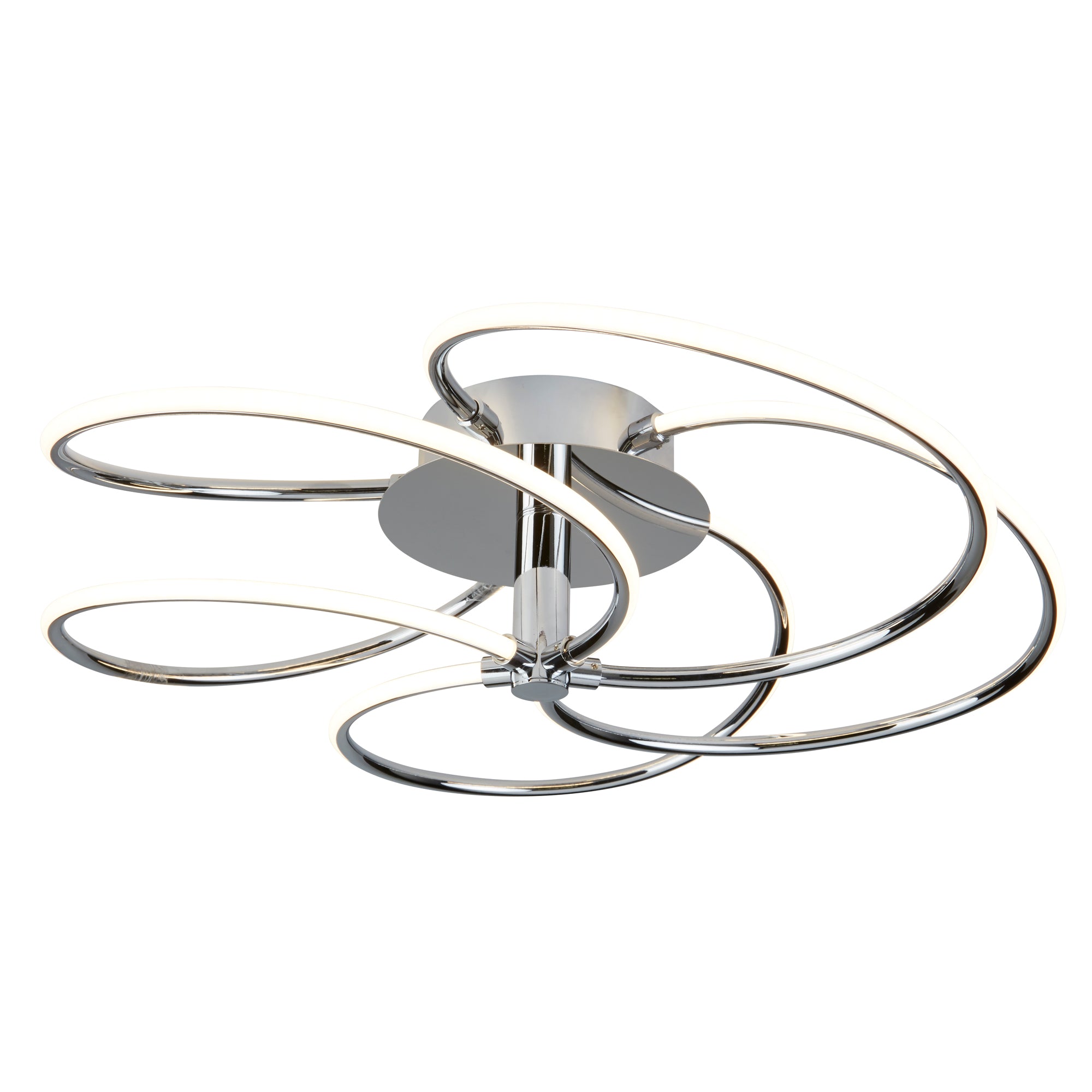
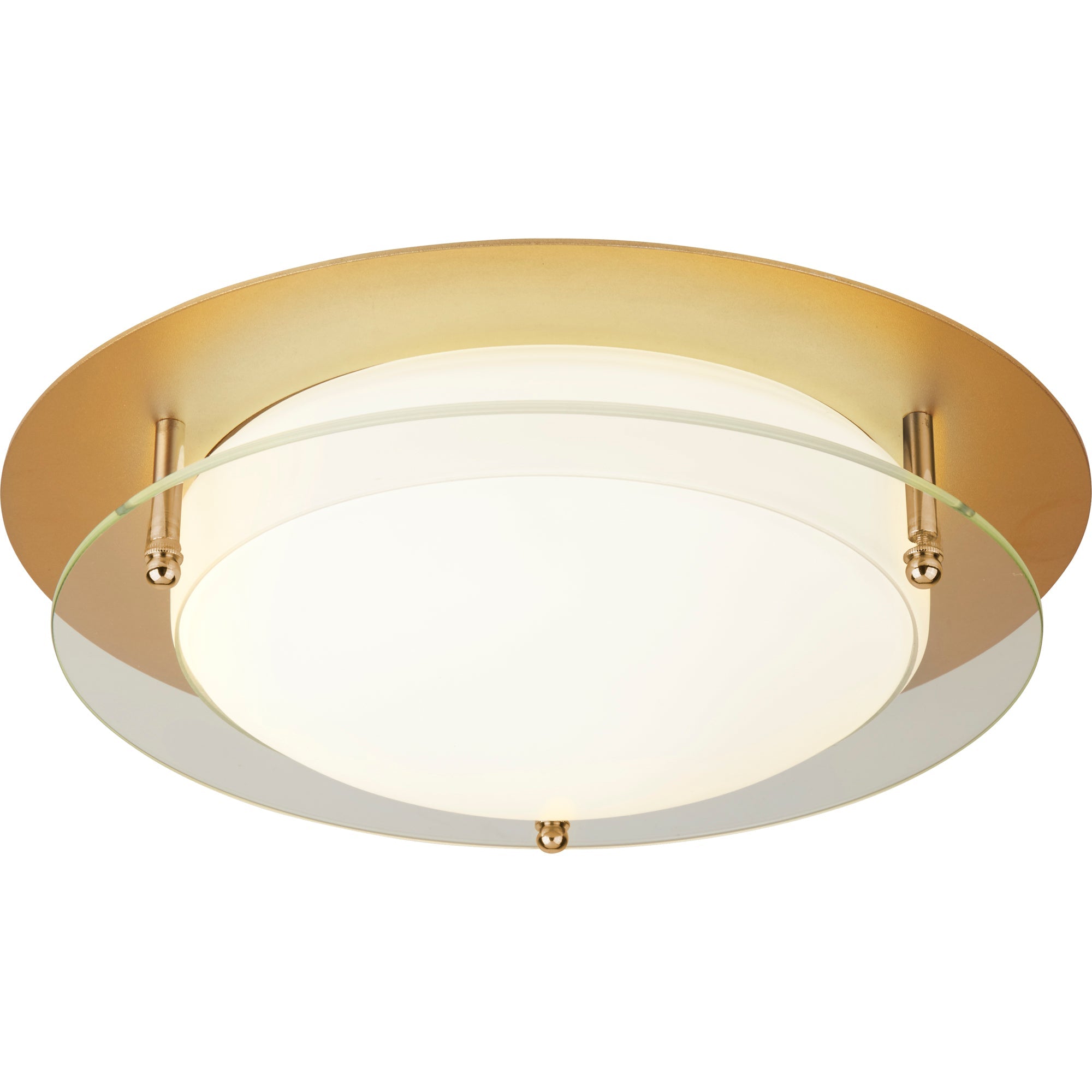
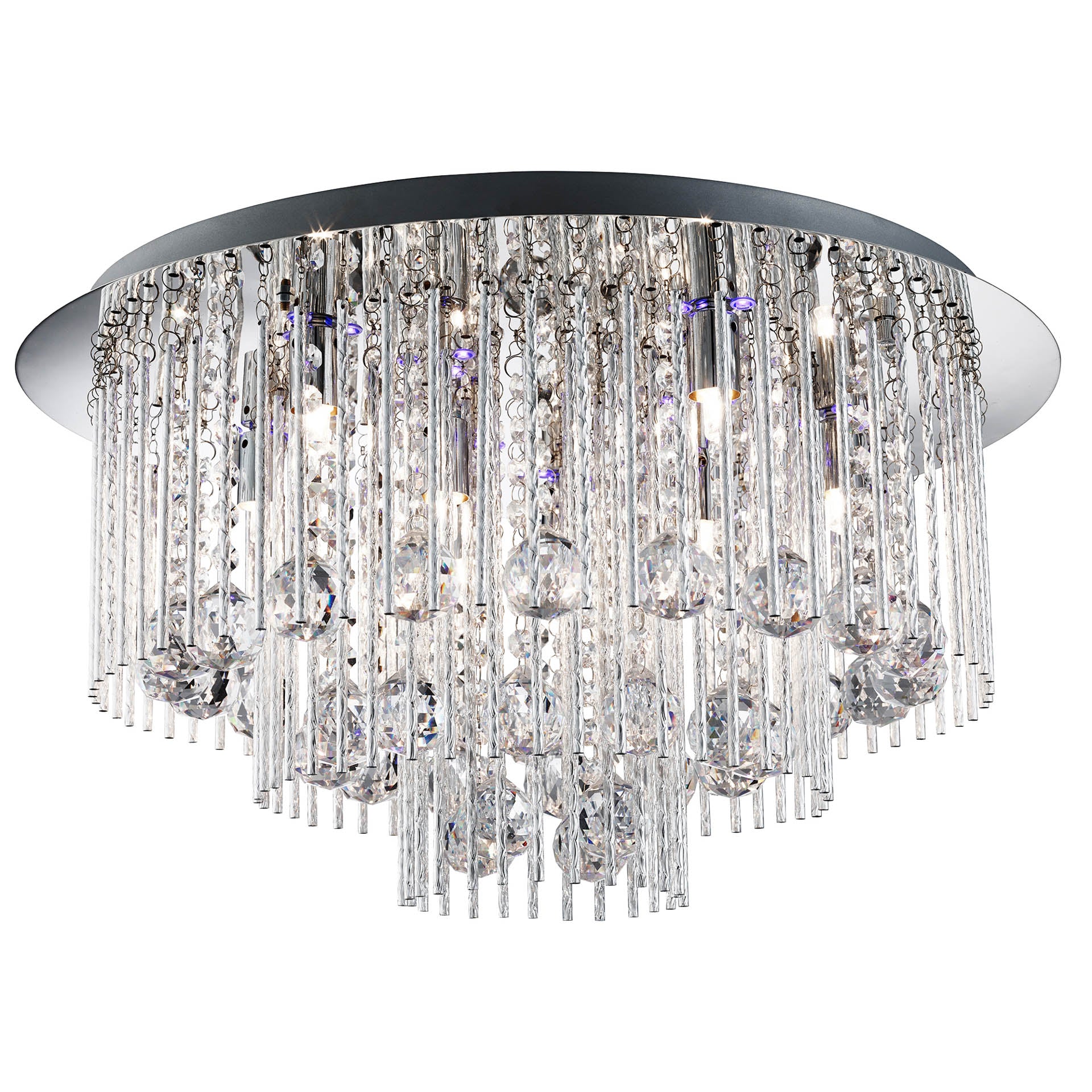
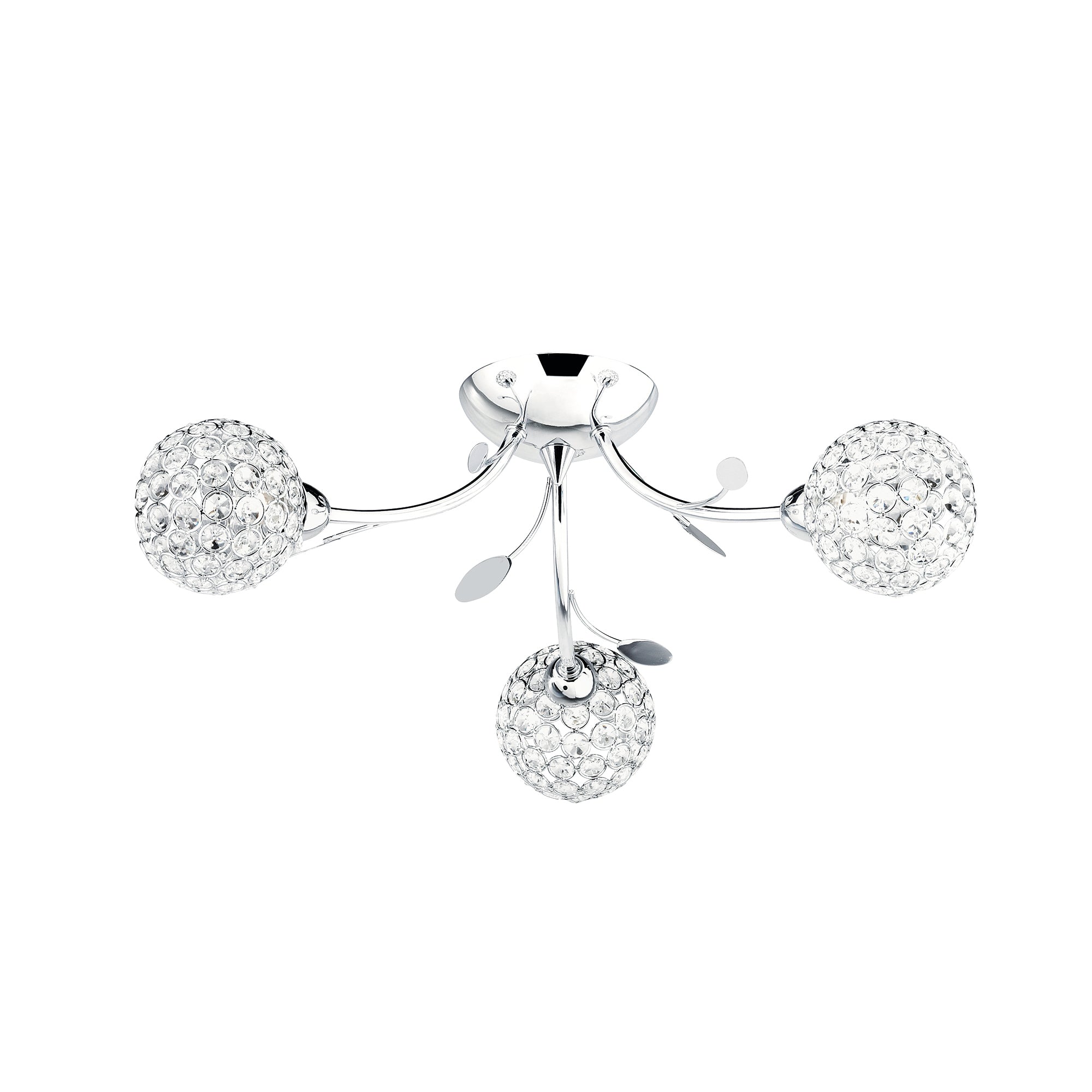
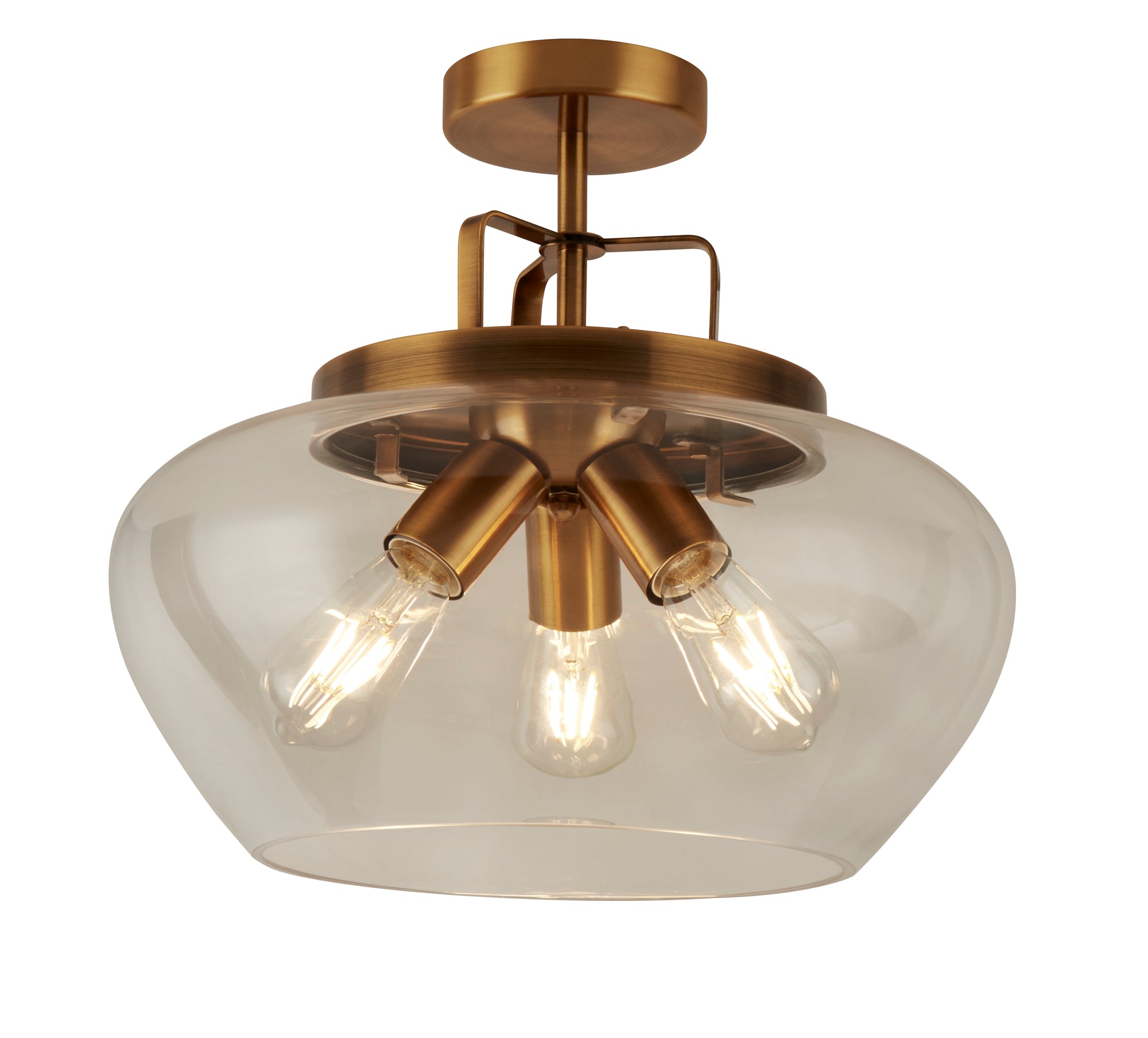
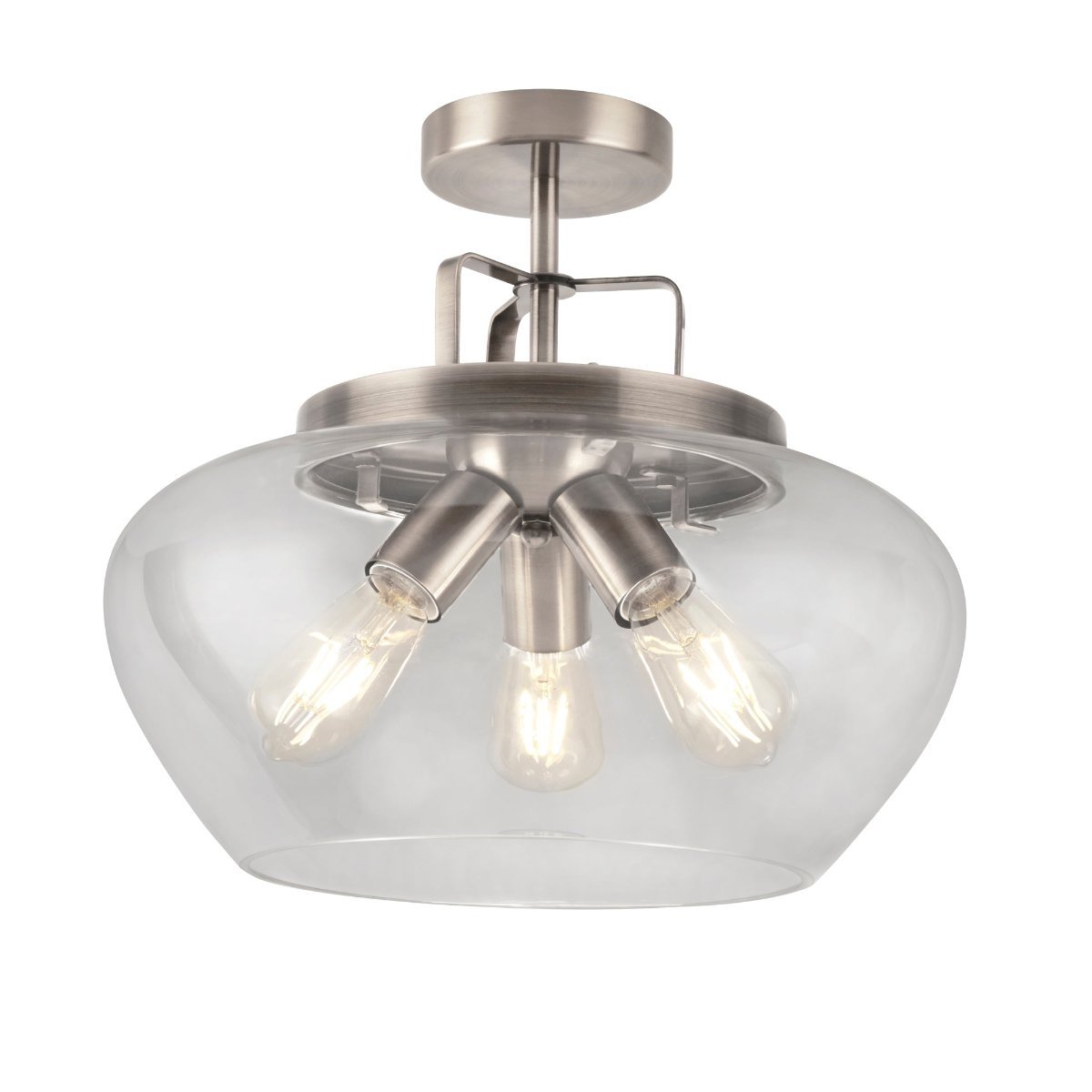
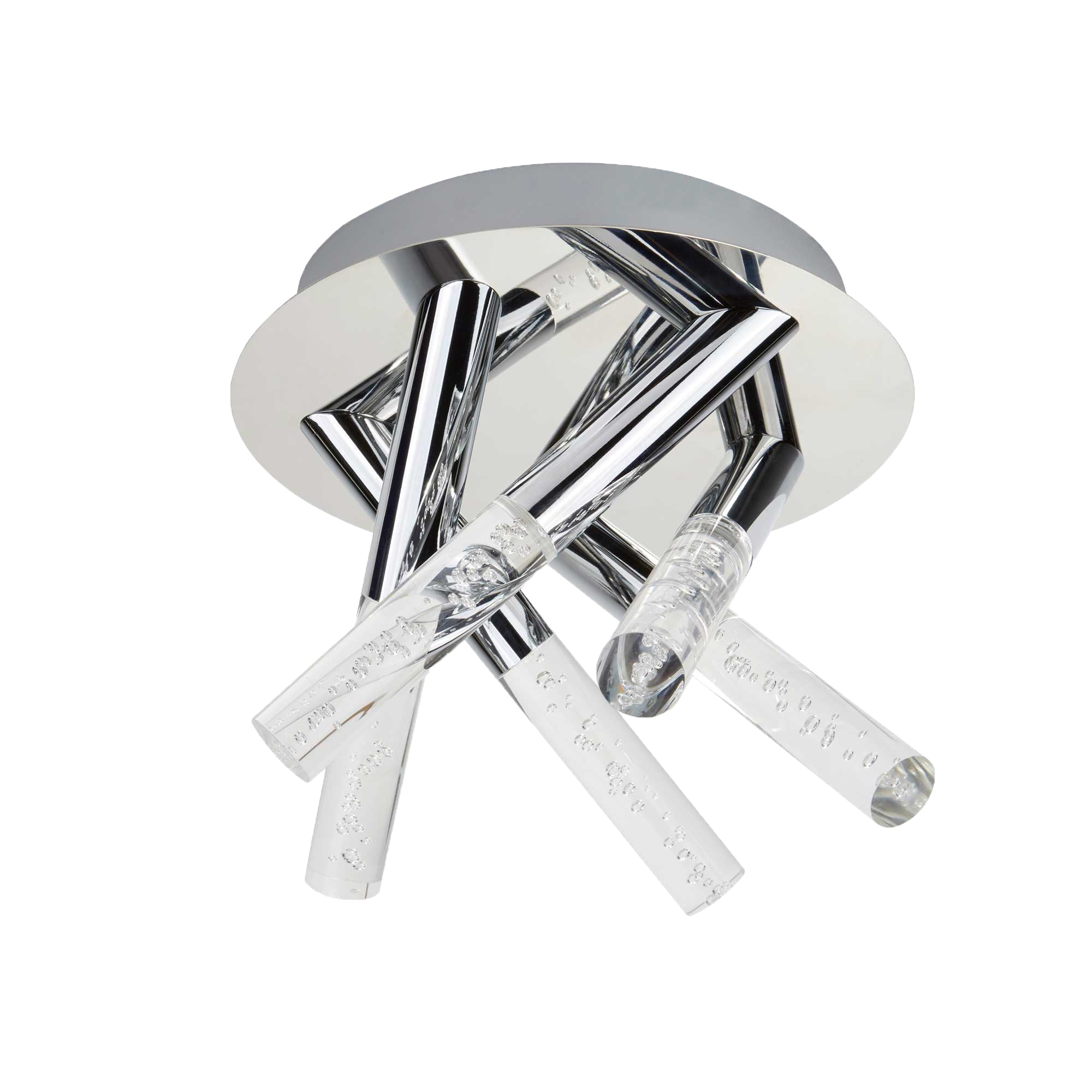
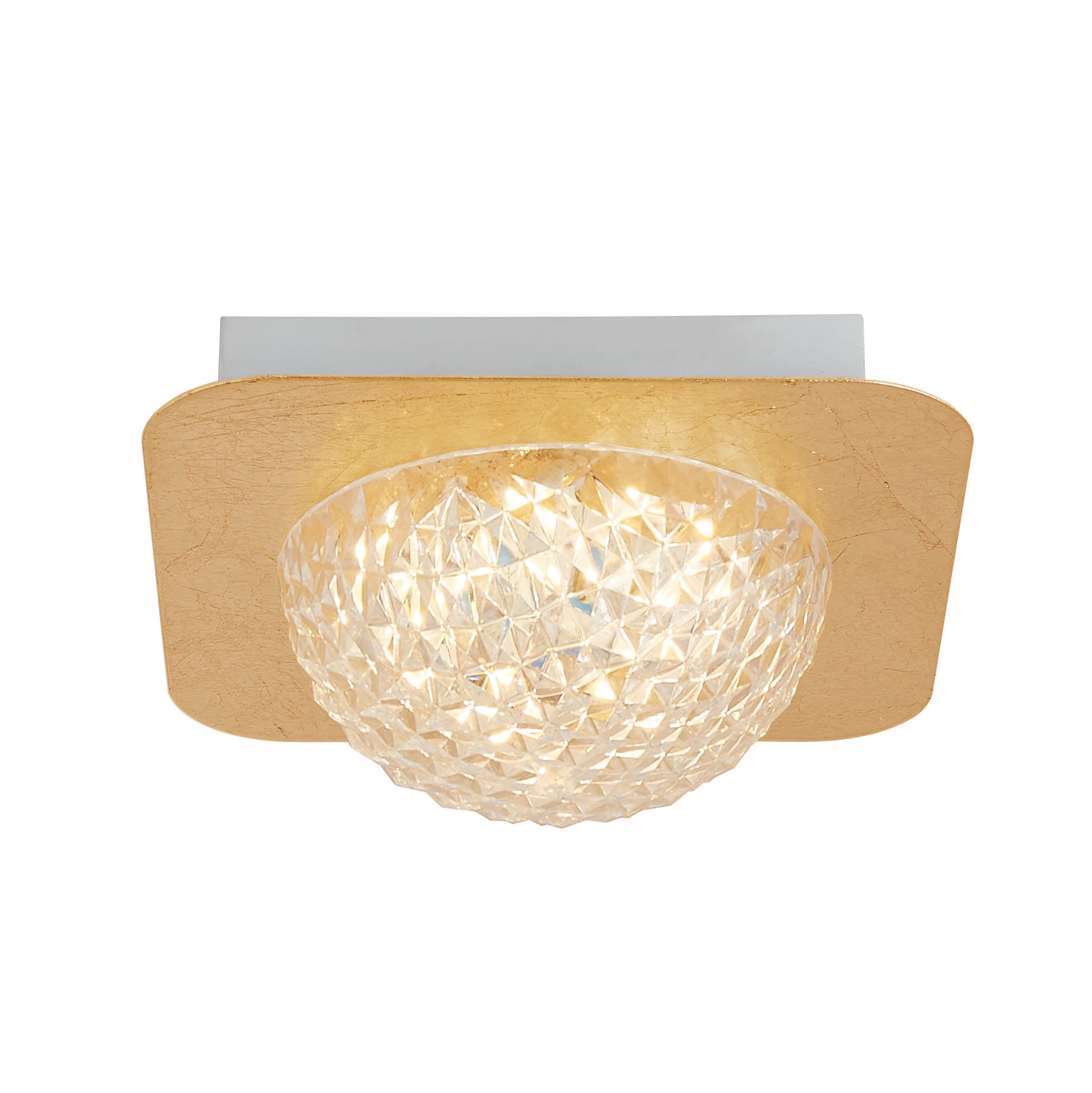
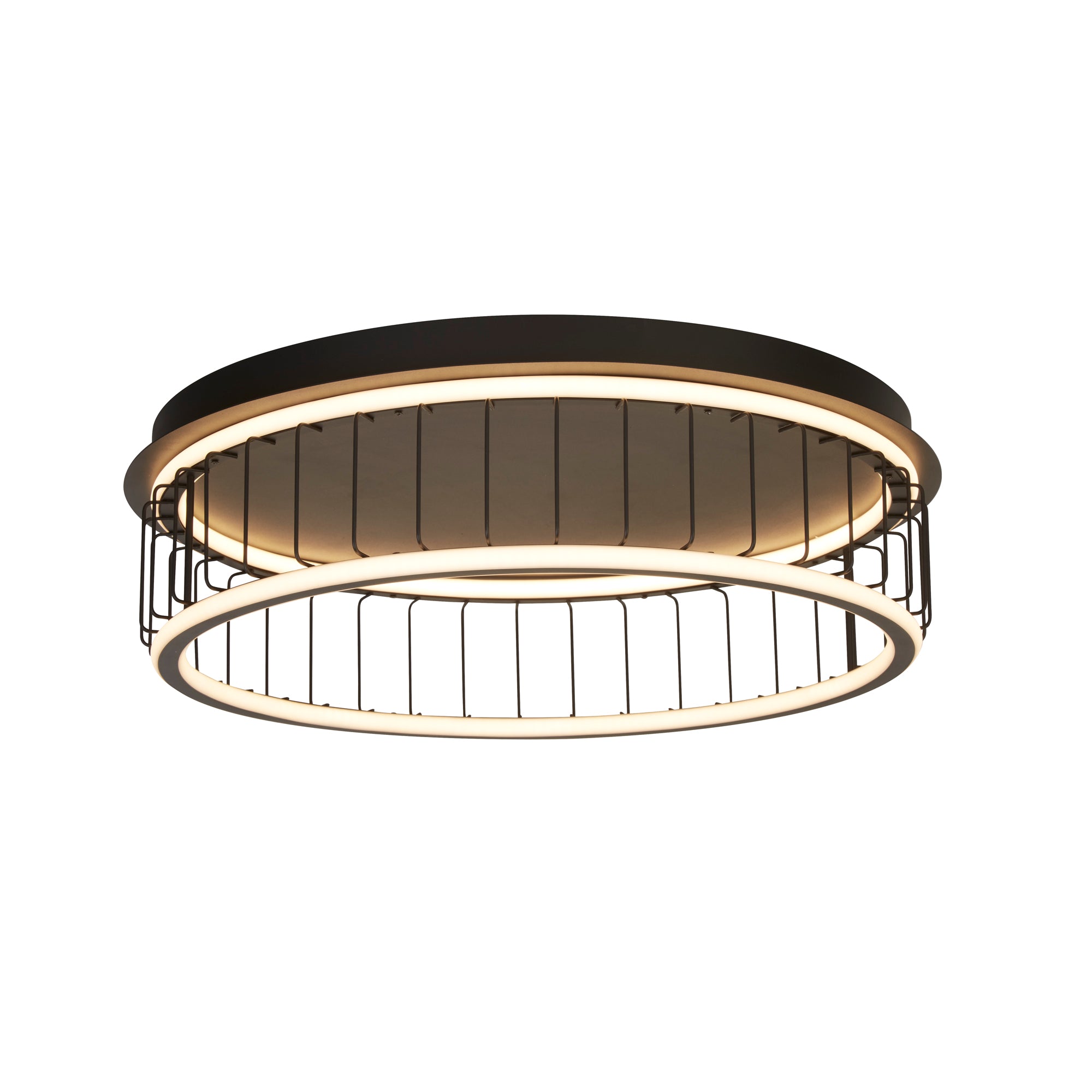
| General light | Semi-flush ceiling fitting, or a small pendant if the ceiling allows | Below 2.4m, go flush or semi-flush. A pendant will feel like it is in the room with you. |
| Bedside — table lamps | A pair, 60–70cm tall | Bottom of the shade near eye level when sitting up in bed. |
| Bedside — wall lights | Swing-arm or fixed wall fittings | Around 1.5m from the floor. Frees the bedside table completely. |
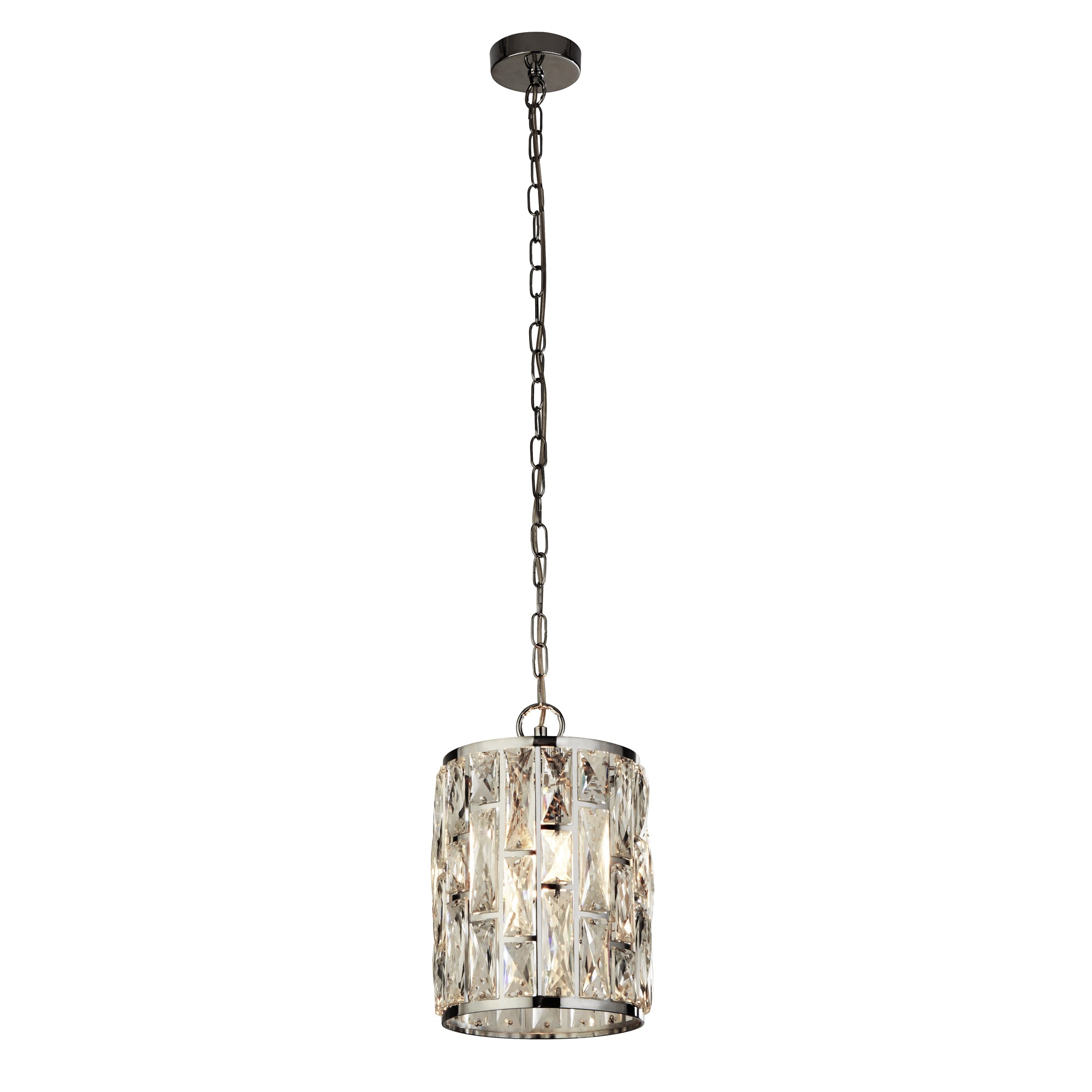
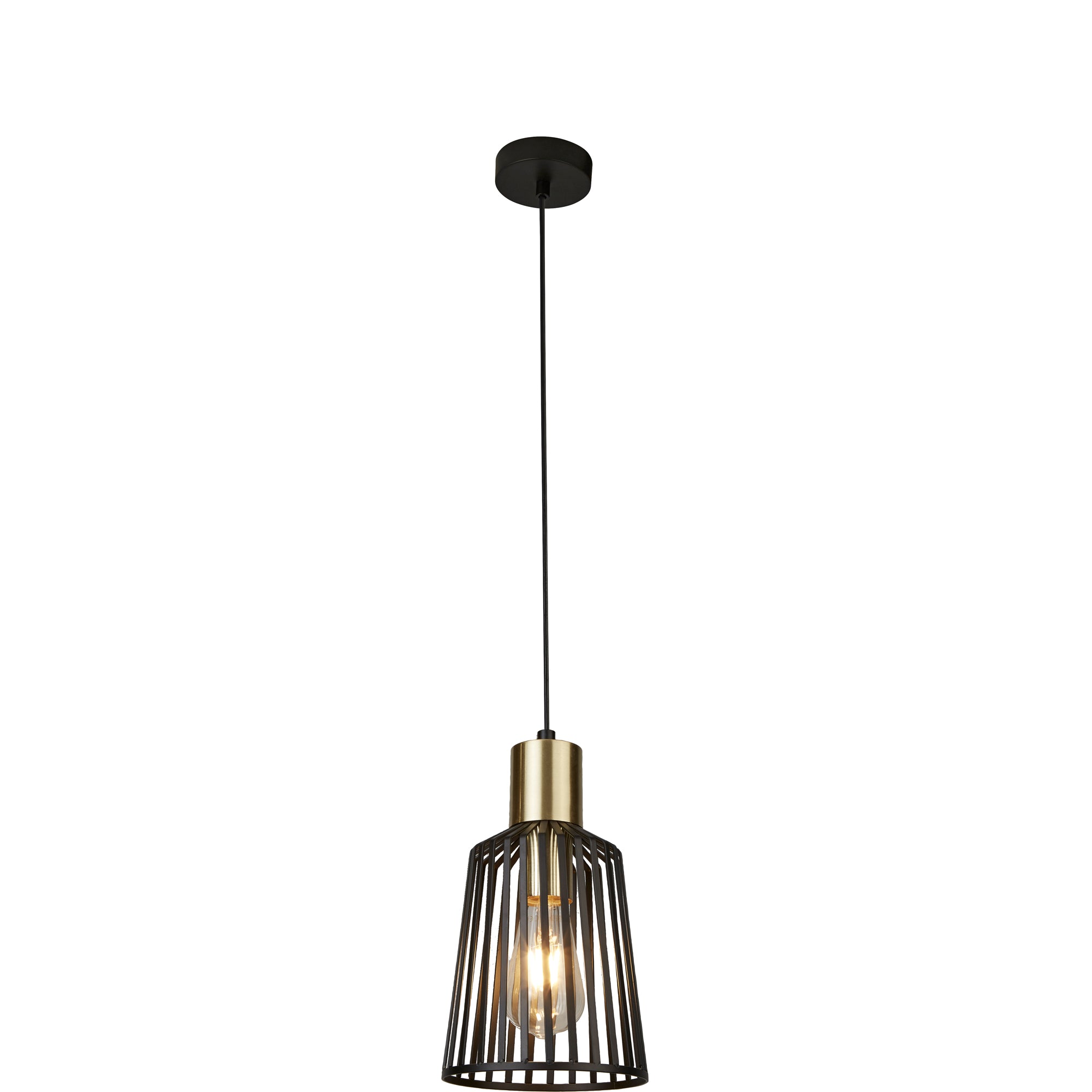
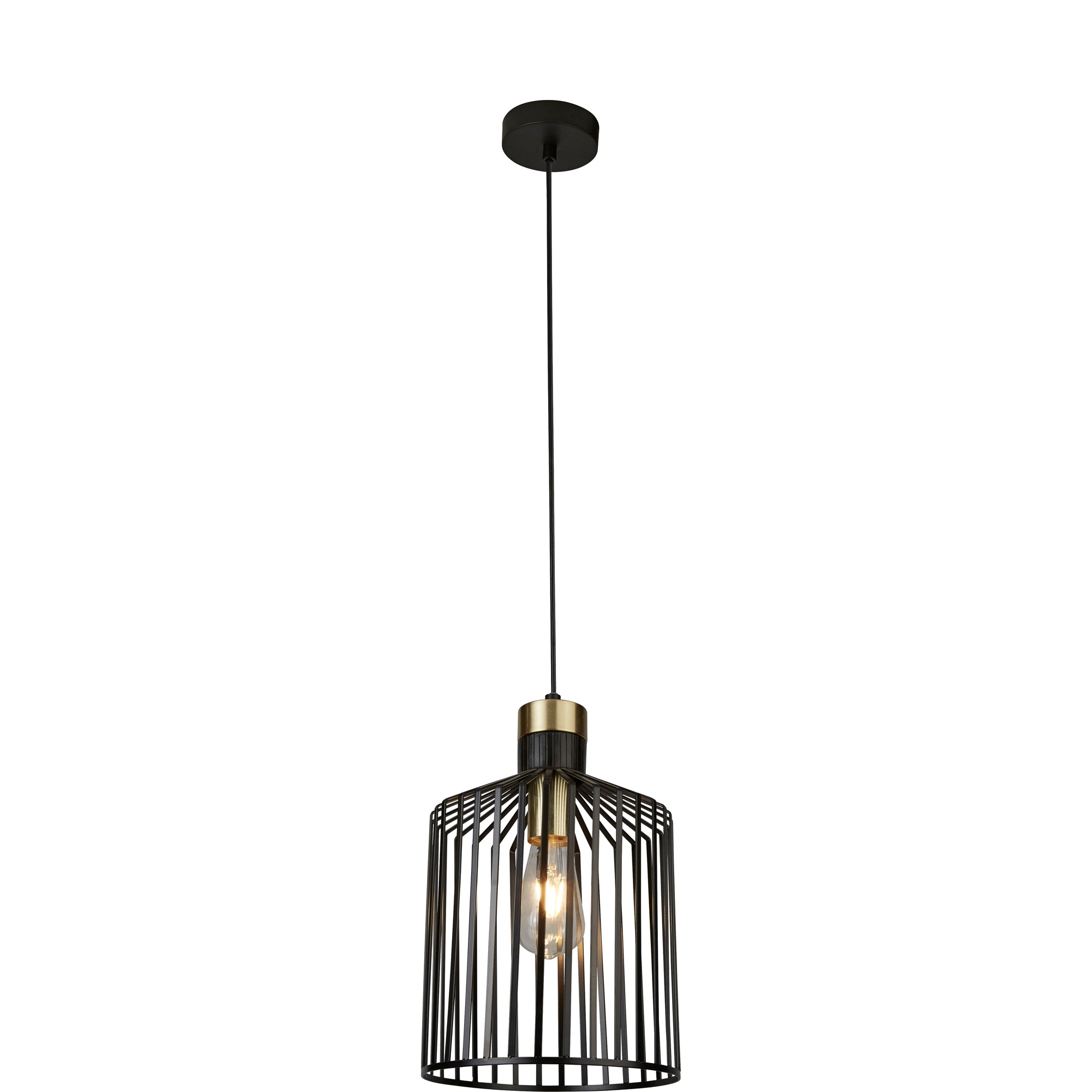
| Bedside — pendants | Small single pendants, one either side | Bottom of the shade at seated shoulder height. Needs the cable planned before decorating. |
| Dressing area | Wall lights either side of a mirror | Around 1.6m, spaced 75–90cm apart. Side light beats overhead every time. |
| Corner or reading chair | Floor lamp | Plugs in, no wiring. The easiest layer to add to a finished room. |
Bedside: lamp, wall light or pendant?
Table lamps are the flexible choice. They move, they cost nothing to install, and you can change the shade when the room changes. The downside is that they occupy the bedside table, which in a small room is the surface you need.
Wall lights solve that by getting the light off the table entirely. A swing-arm fitting is the best of the lot for reading, because you can aim it at the page rather than at your partner. The catch is that the cable has to be in the wall, so this is a decision to make before decorating rather than after.
Bedside pendants look excellent and are the current favourite in new builds. Same caveat: plan the cable early, because retrofitting a ceiling drop into a finished bedroom means damage to the ceiling and the wall.
Dimming and light quality
If you dim one room in the house, make it this one. Bright light late at night is the enemy of actually falling asleep, and a bedroom that can drop to a low warm glow is a materially nicer room to be in.
Keep the light warm rather than cool. Cooler light is fine in a kitchen and wrong in a bedroom, where it makes the room feel like somewhere you work.
If you are adding a dimmer, check it is rated for LED. Older dimmers built for halogen are the usual cause of flicker.
Sloped ceilings and attic rooms
Converted attics and dormer bedrooms rarely suit a hanging light. A flush fitting sits properly against the angle where a pendant will hang crooked or too low.
Wall lights come into their own here, because the walls in these rooms are usually the only surfaces at a sensible height. Check the fitting sits flat against the pitch before ordering.
Fitting
Hardwired fittings should be installed by an electrician registered with Safe Electric. Table and floor lamps need nothing beyond a socket.
Come and see them lit
Bedside lighting is worth judging in person, because the thing that matters is whether it lights a page without lighting the whole room. Our showroom in Donabate, Co. Dublin has a good part of the range up and lit.
Bedroom lighting: your questions answered
What lighting does a bedroom need?
Three layers on separate switches. A ceiling fitting for general light, something at the bedside for reading, and ideally a third source such as a floor lamp or wall lights at a dressing area. One central light on its own is why most bedrooms feel either glaring or gloomy.
How high should bedside wall lights be?
Around 1.5m from the floor, or just above shoulder height when you are sitting up in bed. A swing-arm fitting lets you aim the light at the page instead of the room.
How high should bedside pendants hang?
So the bottom of the shade sits at roughly seated shoulder height. Plan the cable before decorating, because retrofitting a ceiling drop into a finished bedroom means damage to the ceiling and wall.
What ceiling light suits a low bedroom ceiling?
A flush or semi-flush fitting. Below about 2.4m, anything on a drop feels like it is in the room with you.
Should bedroom lights be dimmable?
If you dim one room in the house, make it this one. Check the dimmer is rated for LED, since older halogen dimmers are the usual cause of flicker.
What lighting works in an attic or sloped-ceiling bedroom?
Flush ceiling fittings and wall lights. A pendant will hang crooked or too low against a pitch. Check the fitting sits flat against the angle before ordering.
Browse the rest of the range

Recently viewed
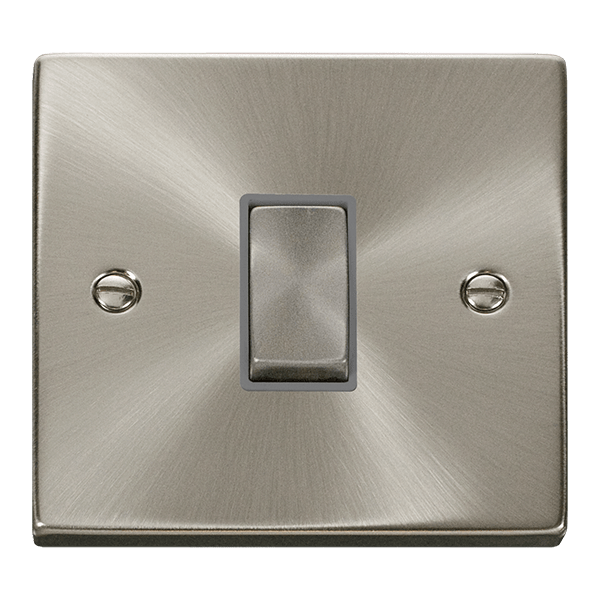
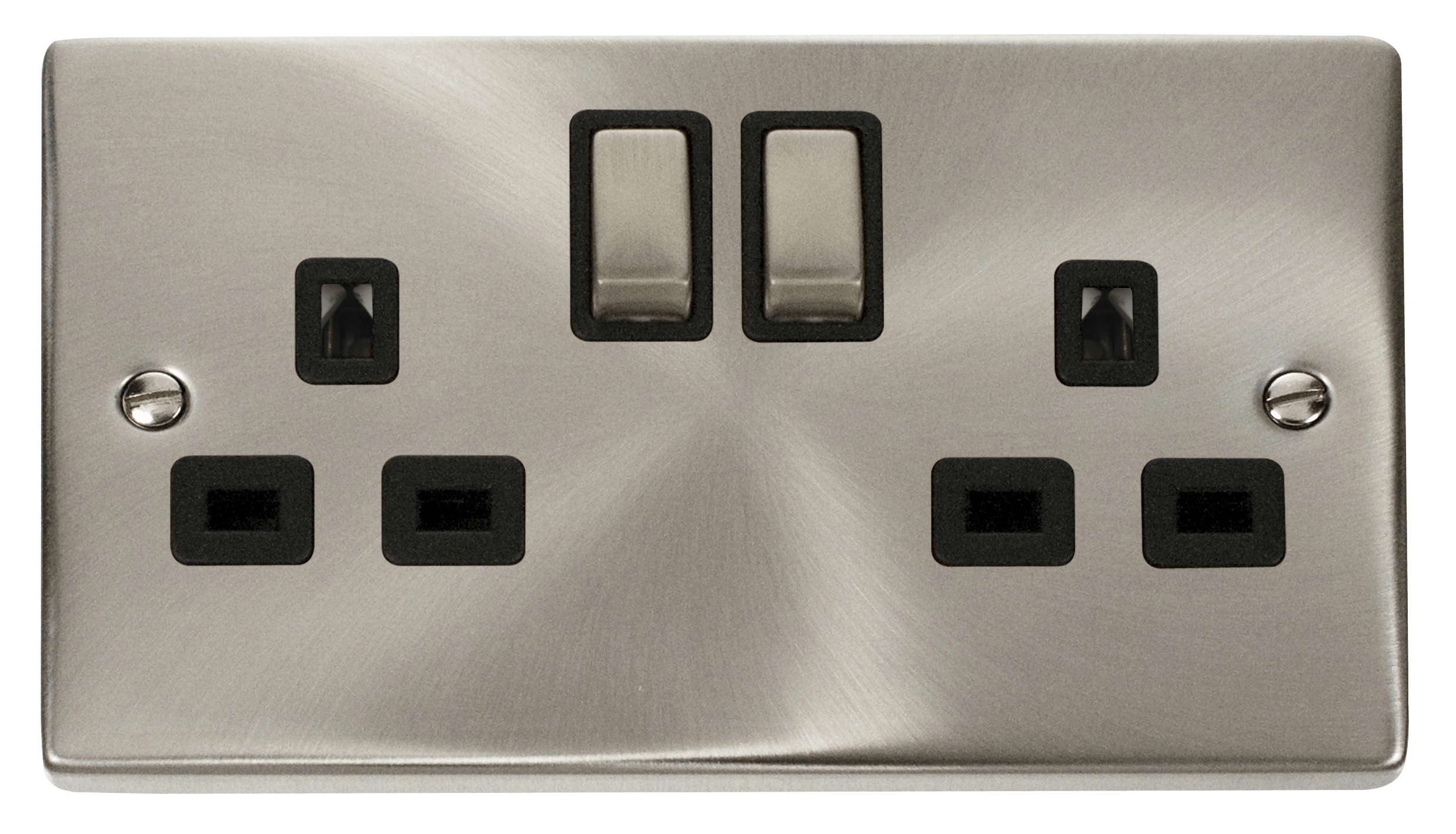
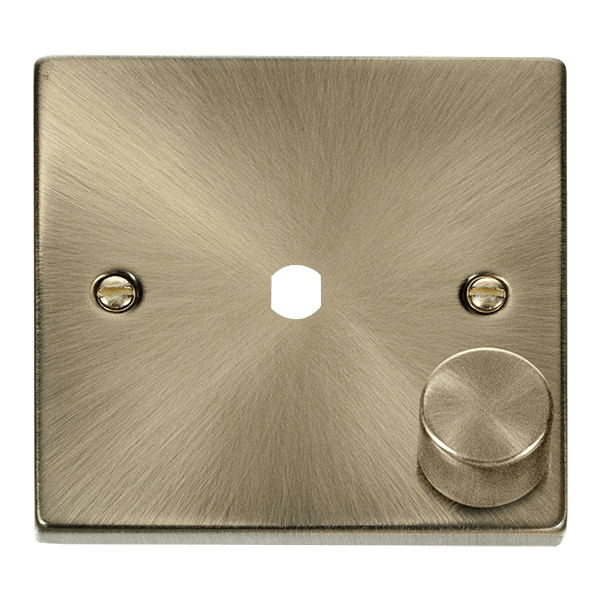
Match Your Switch
Bedroom -
Lighting for bedrooms: semi-flush ceiling fittings, bedside lamps, wall lights and small pendants.
How to layer a bedroom, and what height to hang things, is below the collection.
A room with two completely different jobs
A bedroom needs to be bright enough to find a matching pair of socks at seven in the morning and dim enough to read in at eleven at night. Those are opposite requirements, and one ceiling fitting on one switch cannot serve both.
Most Irish bedrooms are lit by a single central light and nothing else, which is why so many of them feel either glaring or gloomy with nothing in between. The fix is not a better ceiling light. It is a second and third layer, each on its own switch.
The three layers
| Layer | What to use | Height and placement |
|---|---|---|
| General light | Semi-flush ceiling fitting, or a small pendant if the ceiling allows | Below 2.4m, go flush or semi-flush. A pendant will feel like it is in the room with you. |
| Bedside — table lamps | A pair, 60–70cm tall | Bottom of the shade near eye level when sitting up in bed. |
| Bedside — wall lights | Swing-arm or fixed wall fittings | Around 1.5m from the floor. Frees the bedside table completely. |
| Bedside — pendants | Small single pendants, one either side | Bottom of the shade at seated shoulder height. Needs the cable planned before decorating. |
| Dressing area | Wall lights either side of a mirror | Around 1.6m, spaced 75–90cm apart. Side light beats overhead every time. |
| Corner or reading chair | Floor lamp | Plugs in, no wiring. The easiest layer to add to a finished room. |
Bedside: lamp, wall light or pendant?
Table lamps are the flexible choice. They move, they cost nothing to install, and you can change the shade when the room changes. The downside is that they occupy the bedside table, which in a small room is the surface you need.
Wall lights solve that by getting the light off the table entirely. A swing-arm fitting is the best of the lot for reading, because you can aim it at the page rather than at your partner. The catch is that the cable has to be in the wall, so this is a decision to make before decorating rather than after.
Bedside pendants look excellent and are the current favourite in new builds. Same caveat: plan the cable early, because retrofitting a ceiling drop into a finished bedroom means damage to the ceiling and the wall.
Dimming and light quality
If you dim one room in the house, make it this one. Bright light late at night is the enemy of actually falling asleep, and a bedroom that can drop to a low warm glow is a materially nicer room to be in.
Keep the light warm rather than cool. Cooler light is fine in a kitchen and wrong in a bedroom, where it makes the room feel like somewhere you work.
If you are adding a dimmer, check it is rated for LED. Older dimmers built for halogen are the usual cause of flicker.
Sloped ceilings and attic rooms
Converted attics and dormer bedrooms rarely suit a hanging light. A flush fitting sits properly against the angle where a pendant will hang crooked or too low.
Wall lights come into their own here, because the walls in these rooms are usually the only surfaces at a sensible height. Check the fitting sits flat against the pitch before ordering.
Fitting
Hardwired fittings should be installed by an electrician registered with Safe Electric. Table and floor lamps need nothing beyond a socket.
Come and see them lit
Bedside lighting is worth judging in person, because the thing that matters is whether it lights a page without lighting the whole room. Our showroom in Donabate, Co. Dublin has a good part of the range up and lit.
Bedroom lighting: your questions answered
What lighting does a bedroom need?
Three layers on separate switches. A ceiling fitting for general light, something at the bedside for reading, and ideally a third source such as a floor lamp or wall lights at a dressing area. One central light on its own is why most bedrooms feel either glaring or gloomy.
How high should bedside wall lights be?
Around 1.5m from the floor, or just above shoulder height when you are sitting up in bed. A swing-arm fitting lets you aim the light at the page instead of the room.
How high should bedside pendants hang?
So the bottom of the shade sits at roughly seated shoulder height. Plan the cable before decorating, because retrofitting a ceiling drop into a finished bedroom means damage to the ceiling and wall.
What ceiling light suits a low bedroom ceiling?
A flush or semi-flush fitting. Below about 2.4m, anything on a drop feels like it is in the room with you.
Should bedroom lights be dimmable?
If you dim one room in the house, make it this one. Check the dimmer is rated for LED, since older halogen dimmers are the usual cause of flicker.
What lighting works in an attic or sloped-ceiling bedroom?
Flush ceiling fittings and wall lights. A pendant will hang crooked or too low against a pitch. Check the fitting sits flat against the angle before ordering.