
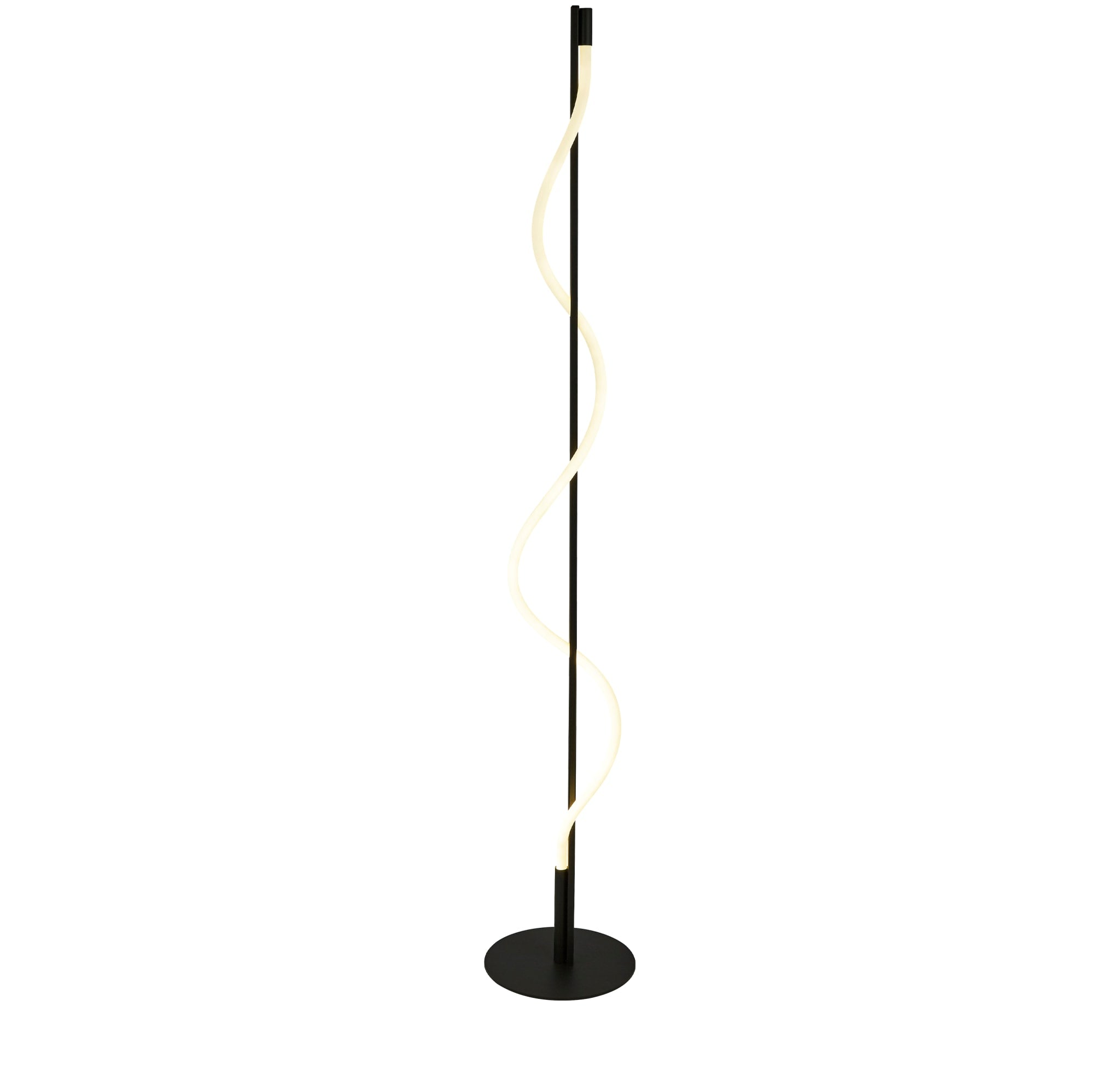
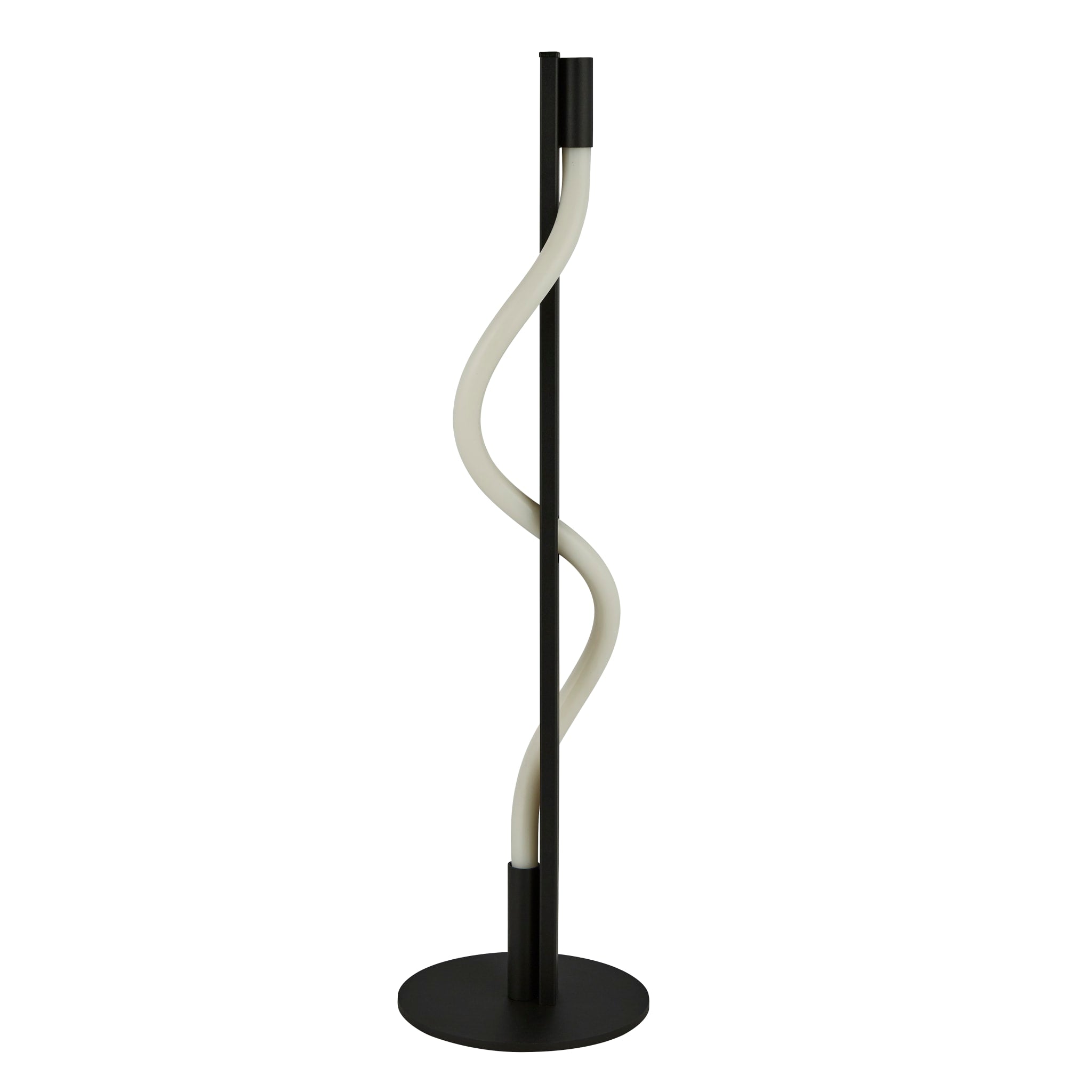
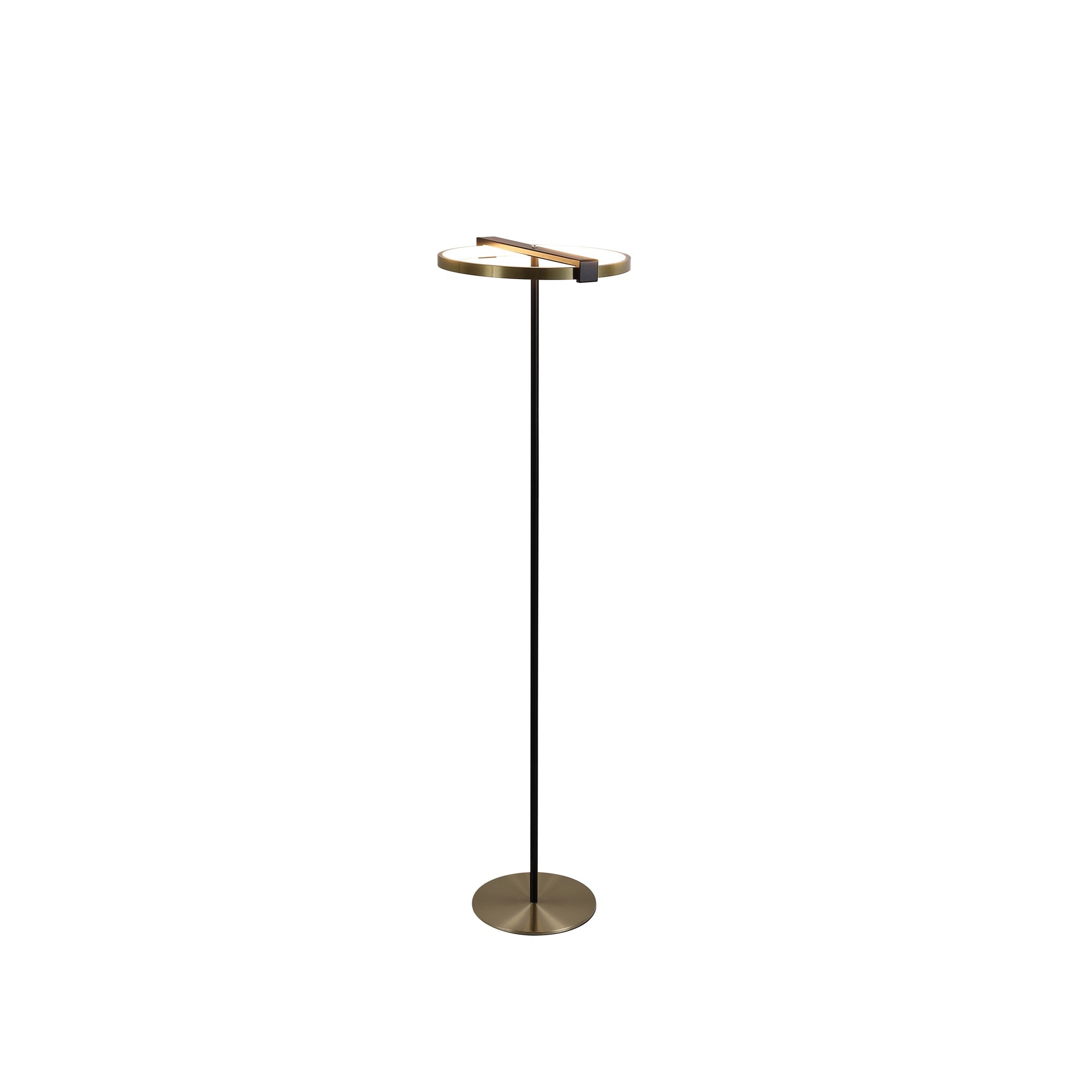
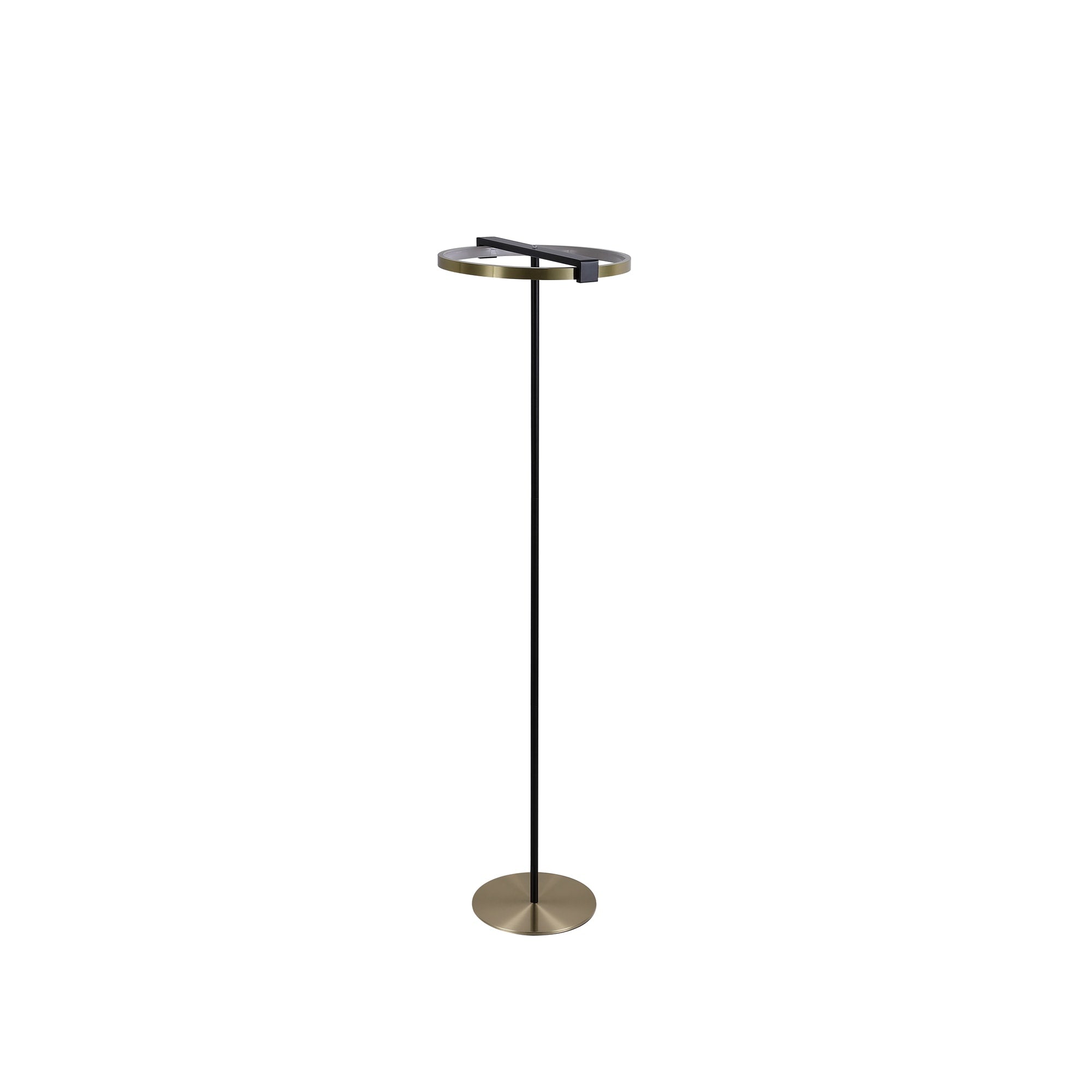
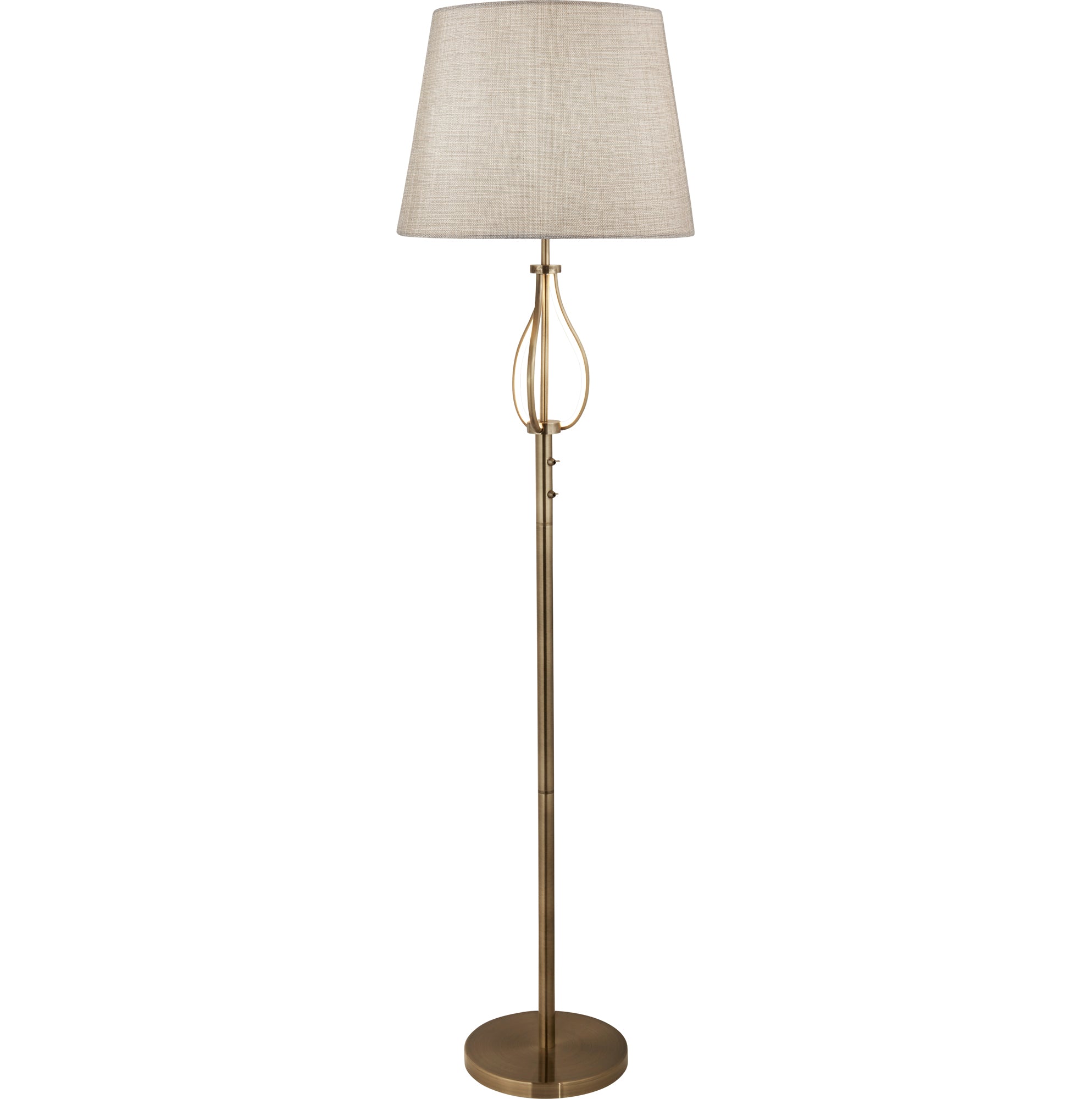
Floor lamps for reading corners, living rooms and bedrooms. Tripods, arched lamps, uplighters and swing-arm readers.
Where to put one and how tall it should be is set out below the collection.
The only light you can fix today
Everything else in this shop needs an electrician, a ladder and a day when somebody is home. A floor lamp needs a socket.
That makes it the answer to a specific and very common problem: the room is badly lit, and the ceiling point is in the wrong place, and you are not going to rewire a finished room to fix it. Renting, waiting on a renovation, or just unwilling to have someone chase a wall in November, the floor lamp is the layer you can add this evening.
It is also the layer that does the most for how a room feels. Light at the height of a seated person, coming from the side, is what stops a living room looking like a waiting area. One good floor lamp in a corner will change a room more than a brighter bulb in the ceiling ever will.
Types, and what each is for
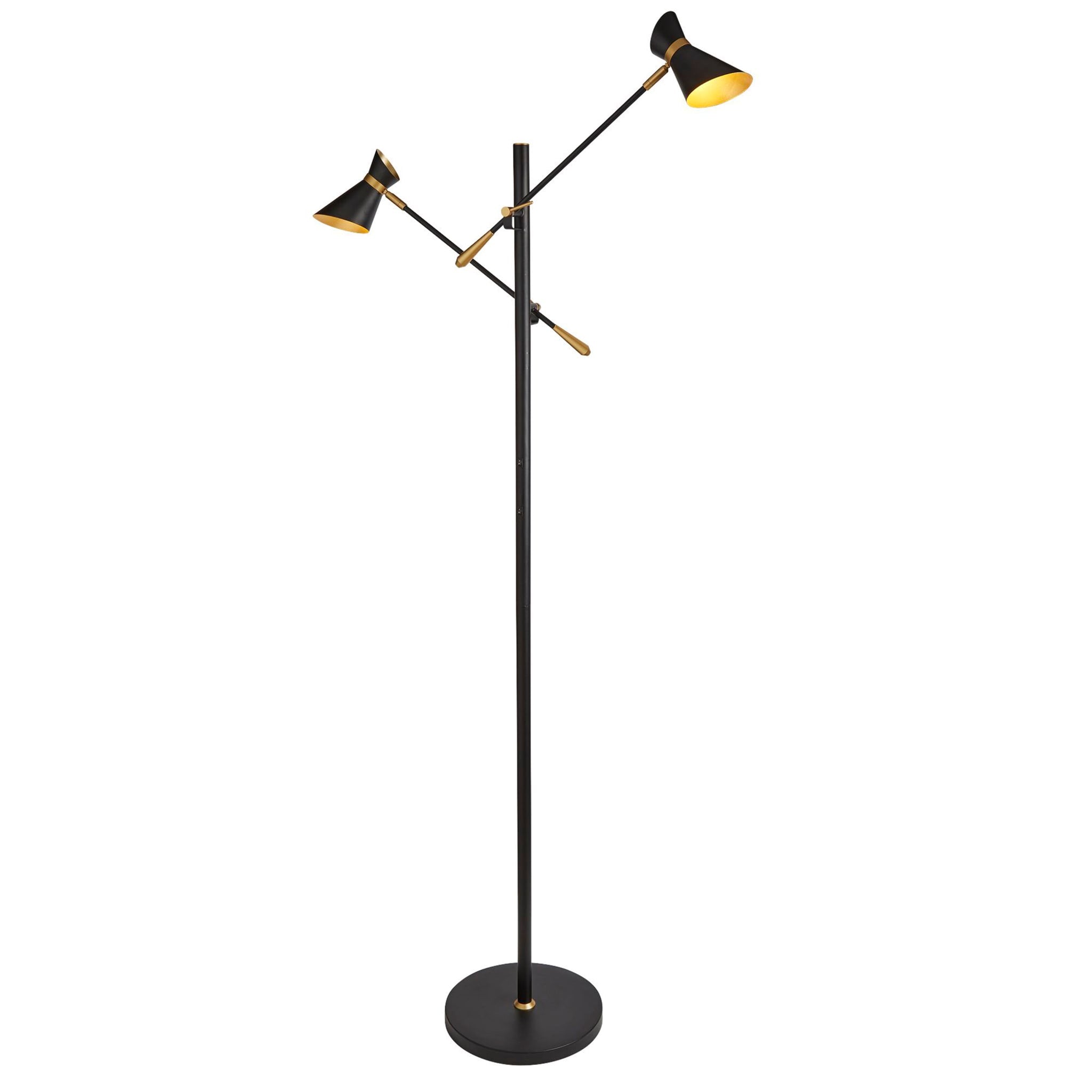
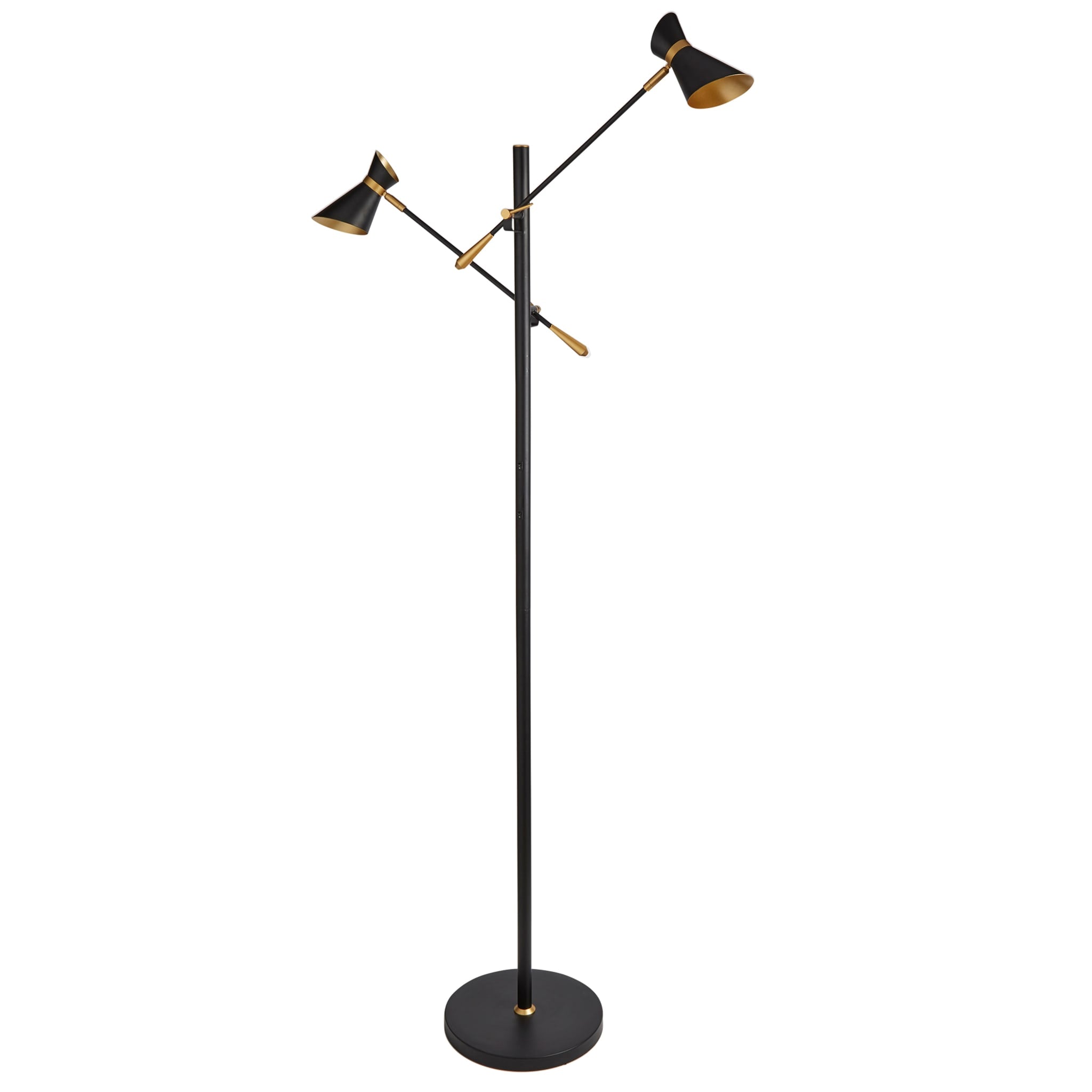
- Reading and task lamps. A directional head, usually adjustable, positioned to throw light onto a page rather than into the room. The one to buy if there is a chair somebody actually reads in.
- Swing-arm. A reading lamp with a jointed arm, so the head reaches out over a chair or a sofa without the base being in the way of your feet.
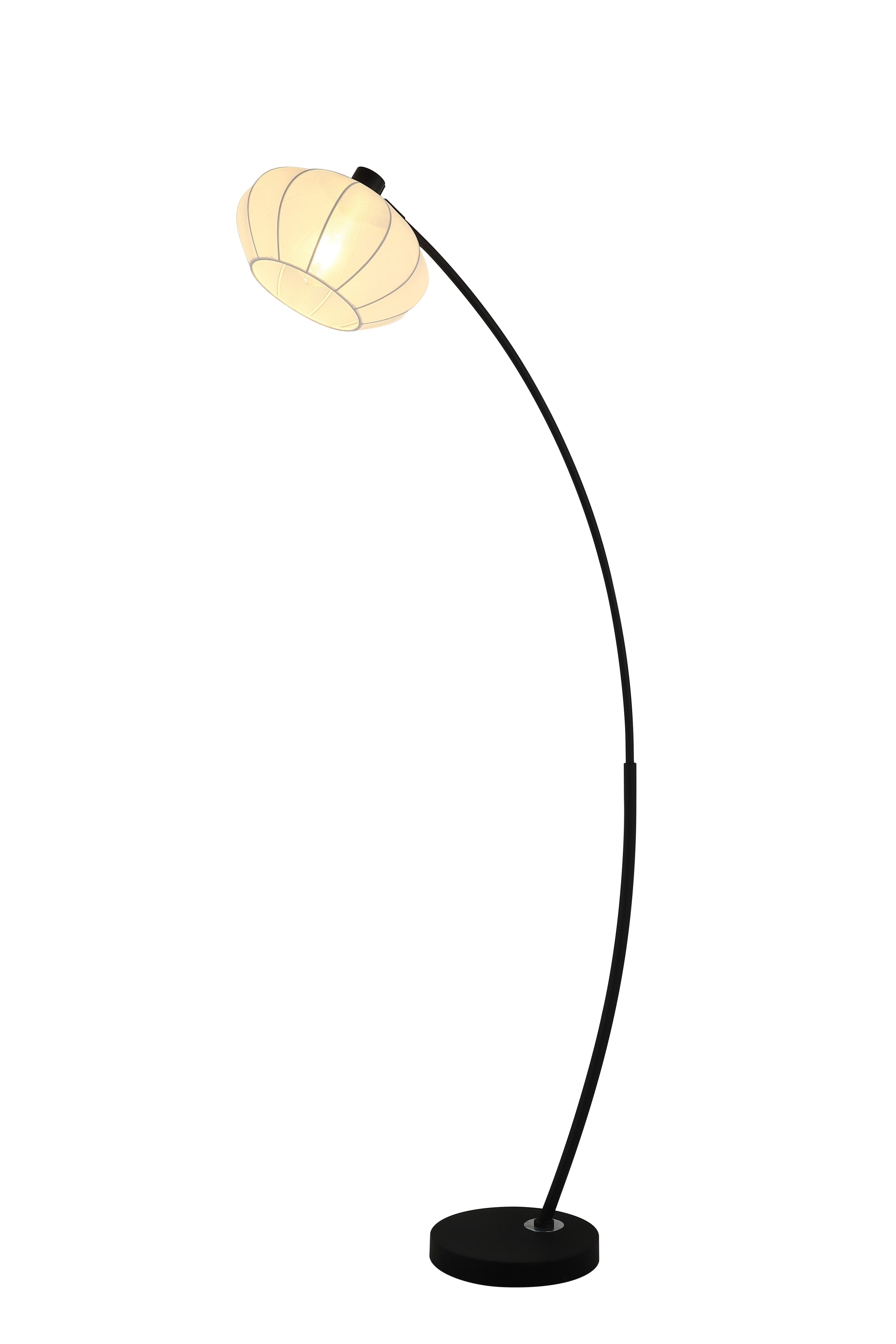
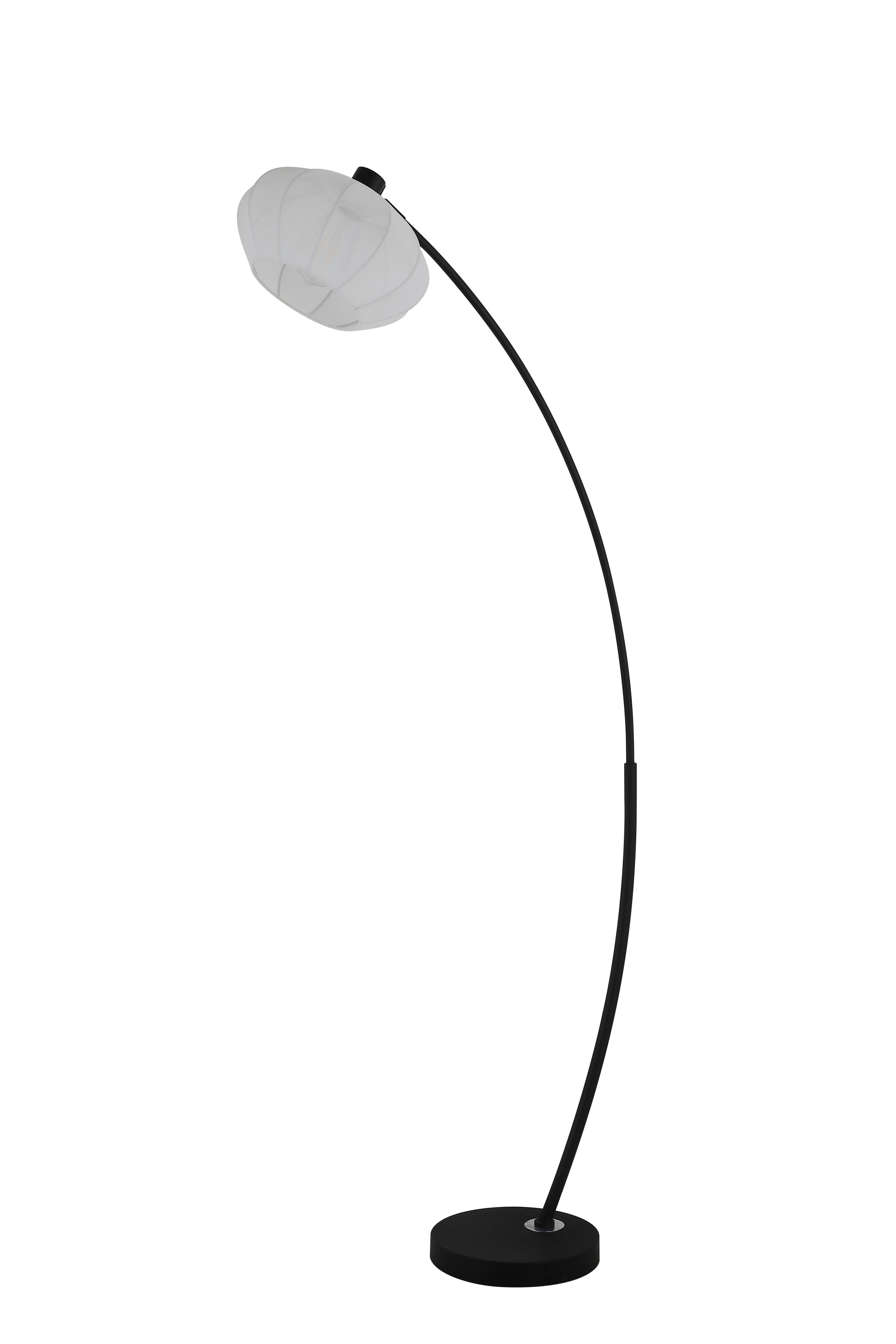
- Arched and arc lamps. The base sits to the side, the arm curves over. Built for the situation where you want light above a sofa or a coffee table and there is no ceiling point anywhere near it.
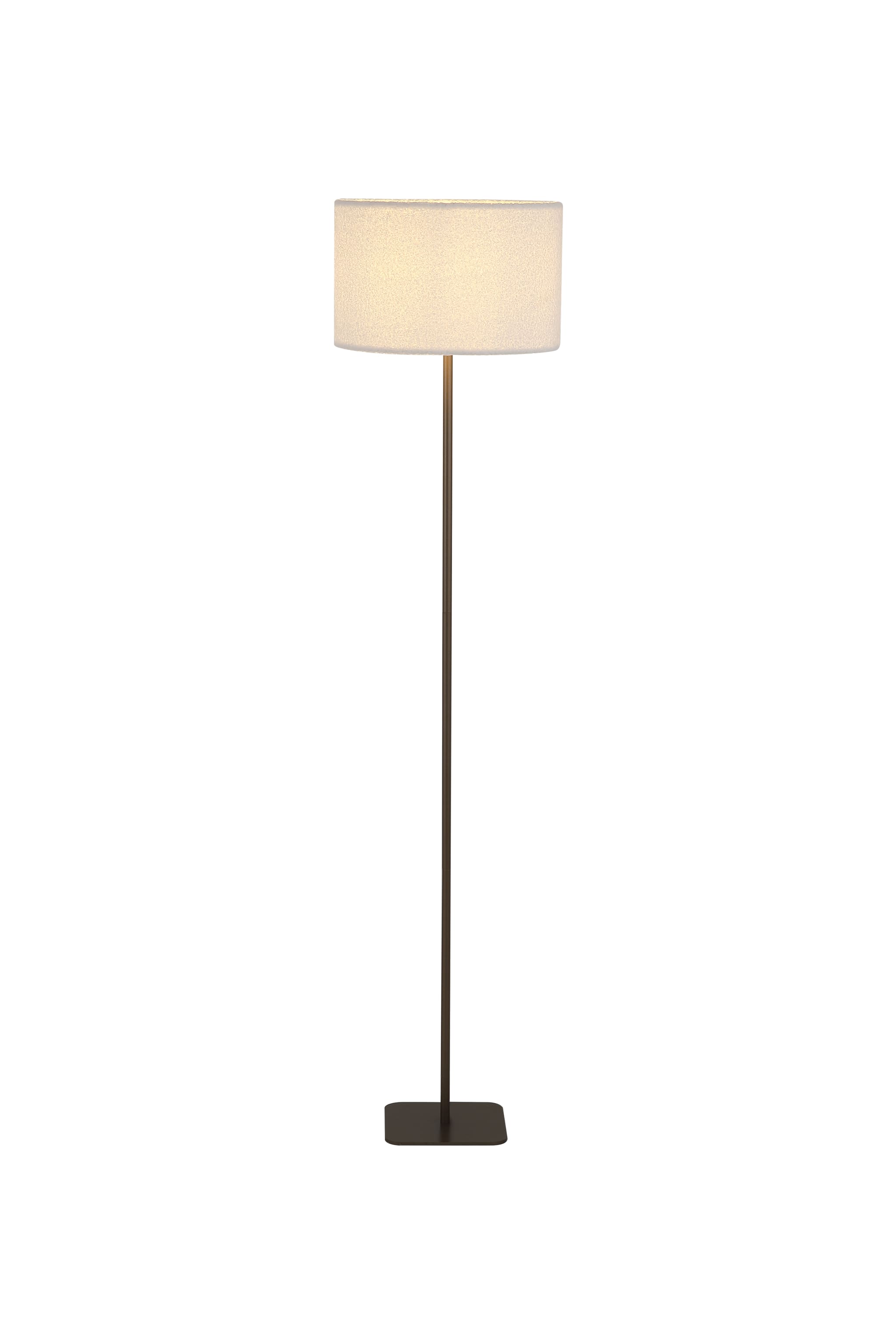
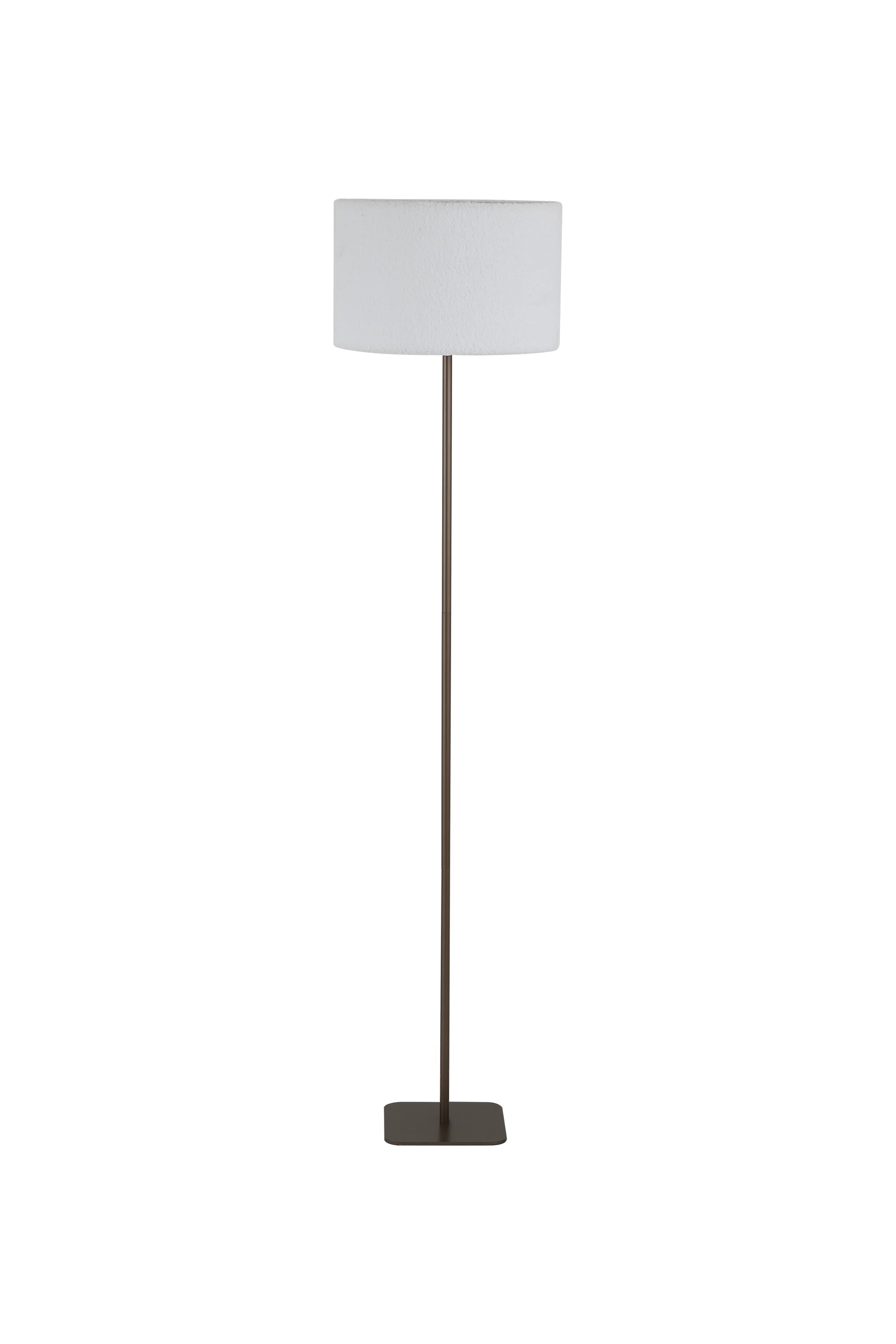
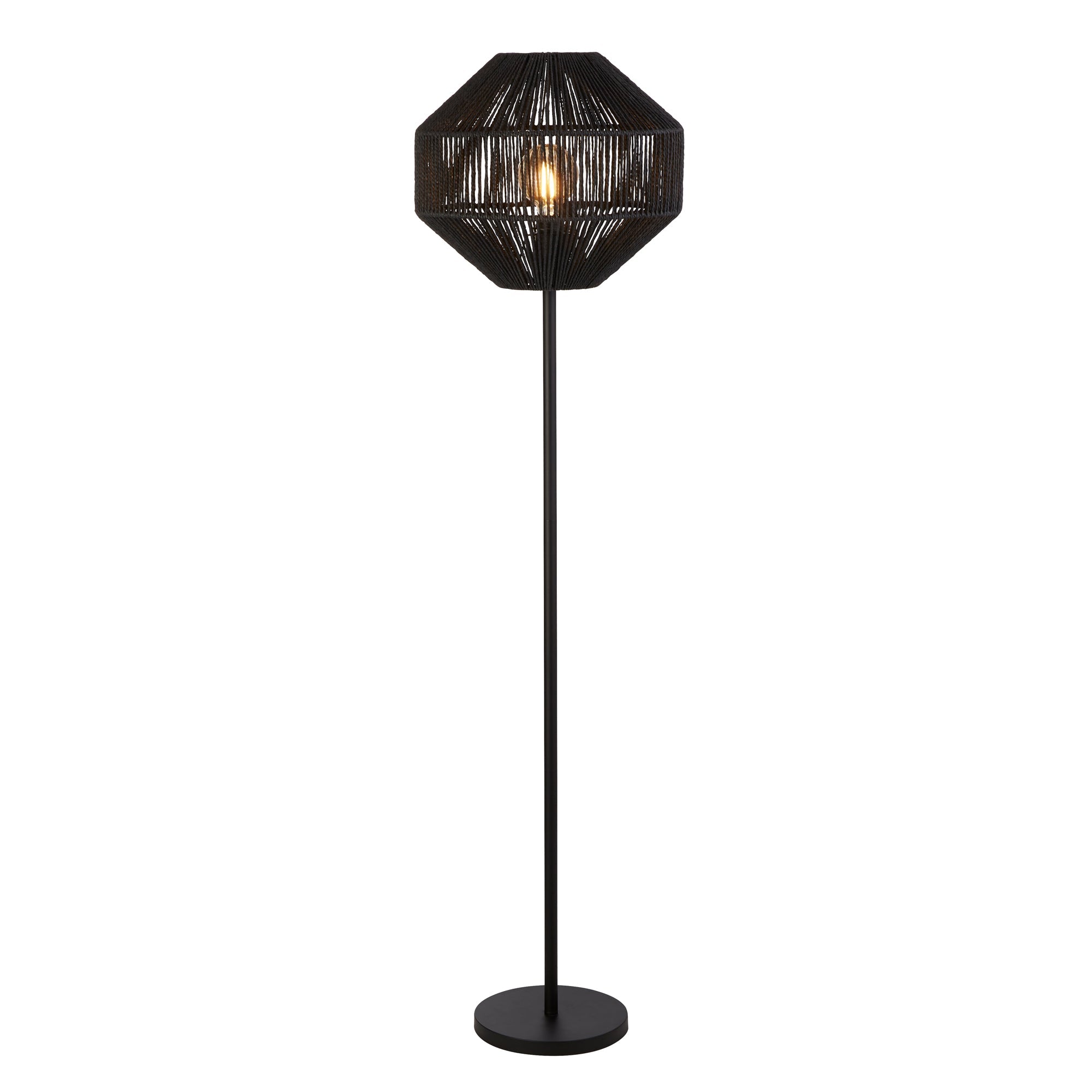
- Tripod and shaded lamps. A shade on three legs. More of a furniture piece than a light, and the shape that suits a corner beside an armchair.
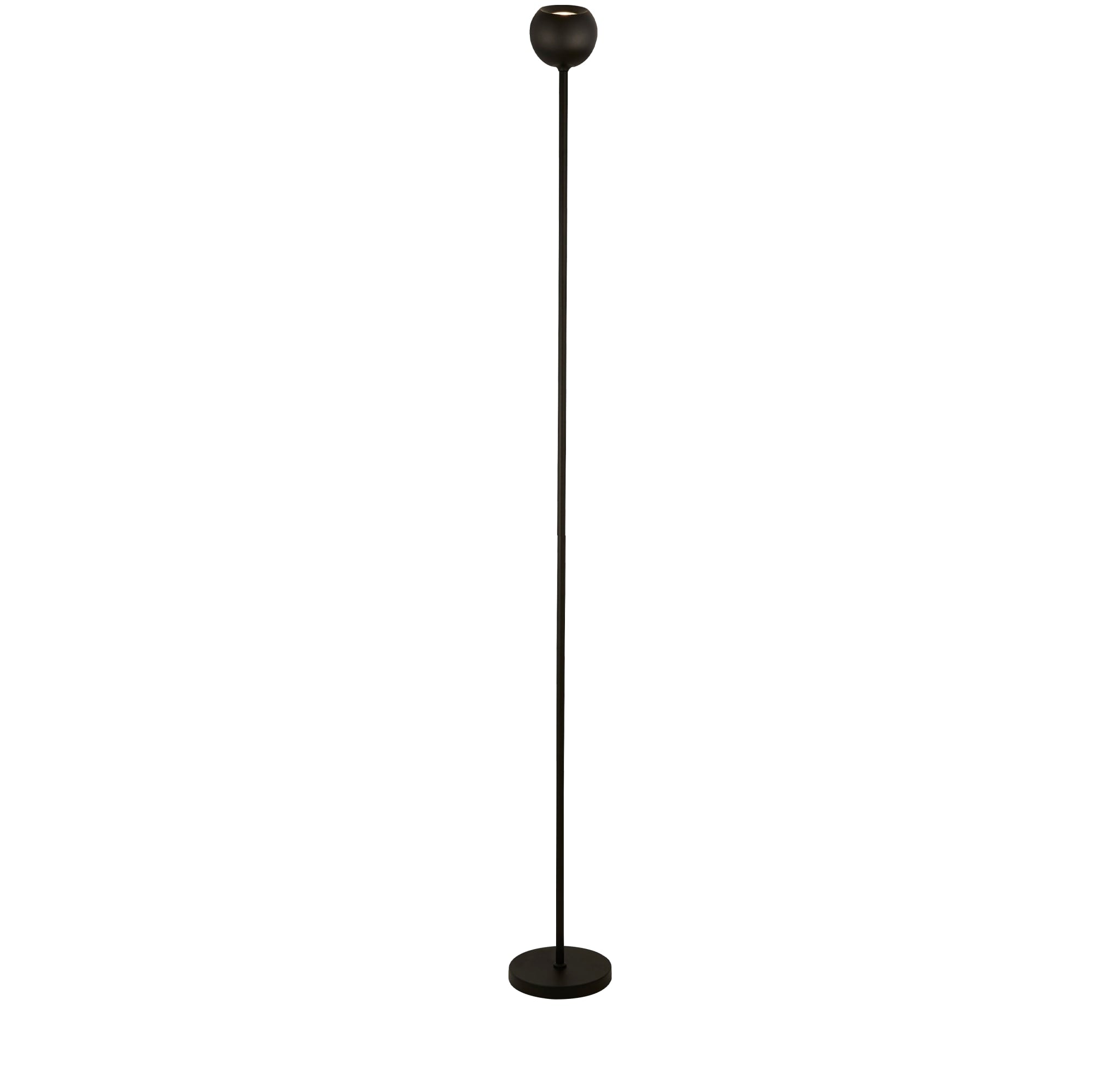
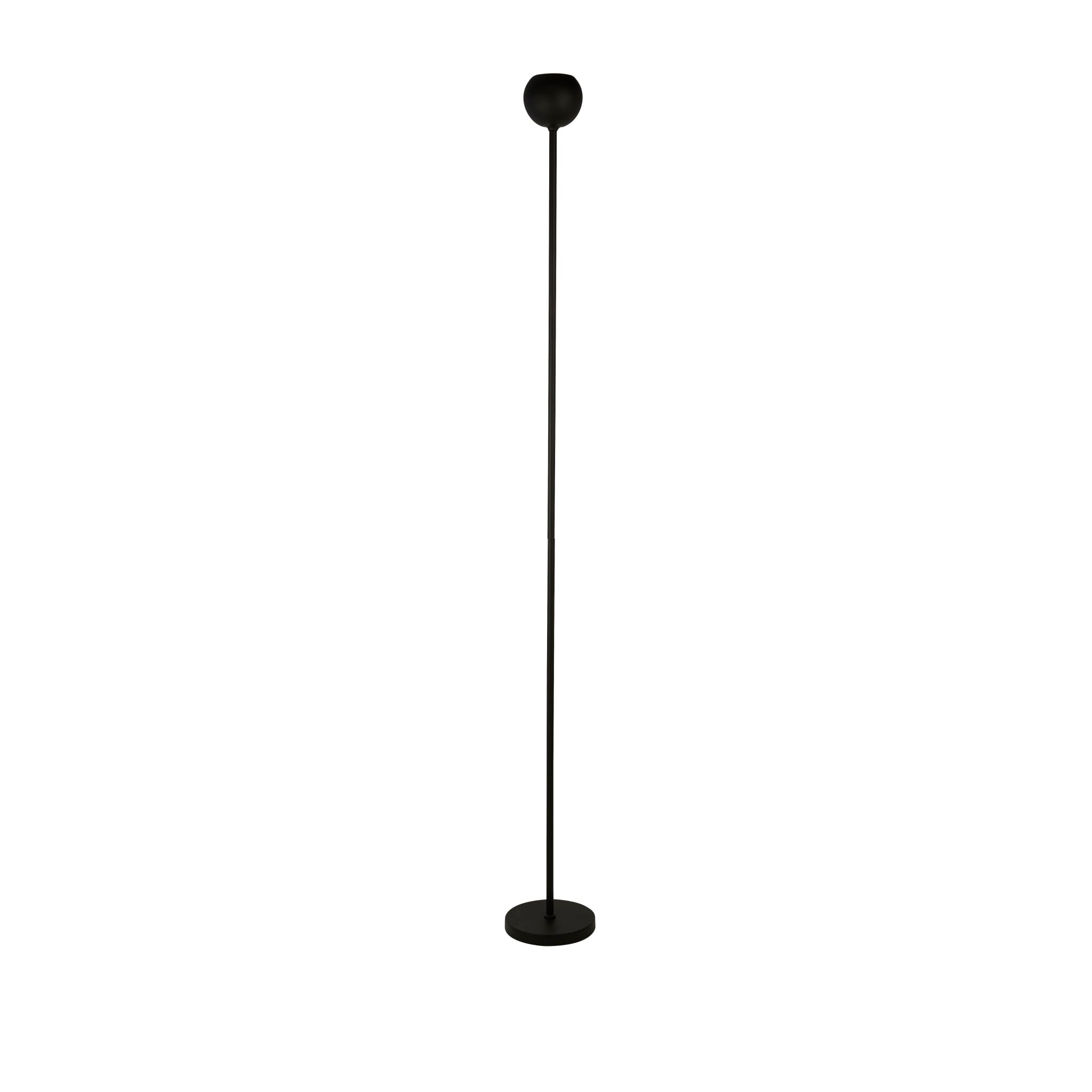
- Uplighters. Throw light at the ceiling, which bounces back soft and even. The gentlest light in the house, and the best trick for making a low room feel taller.
Height and placement
| Where | What suits it | Height and placement |
|---|---|---|
| Beside a reading chair | Reading lamp or swing-arm | Bottom of the shade at shoulder height when seated, roughly 100–120cm. Set it slightly behind and to one side so light comes over the shoulder. |
| Beside or behind a sofa | Arched lamp | Base clear of the walkway, head over the seat. Most sit 150–180cm tall. |
| Corner of a living room | Tripod or shaded lamp | Around 150–170cm. Corners are where a room goes dark, so this is the highest-value spot. |
| Low-ceilinged room | Uplighter | Bouncing light off the ceiling adds apparent height. Keep it clear of the wall so the light can spread. |
| Bedroom | Slim reading lamp | Useful where the bedside table is already full. Aim the head at the book, not the room. |
| Home office corner | Adjustable task lamp | Position to avoid glare on a screen. Light from the side beats light from behind. |
The general rule for a shaded lamp: if you can see the bulb holder when you are sitting down, the lamp is too tall for that spot or the shade is too shallow.
Shades
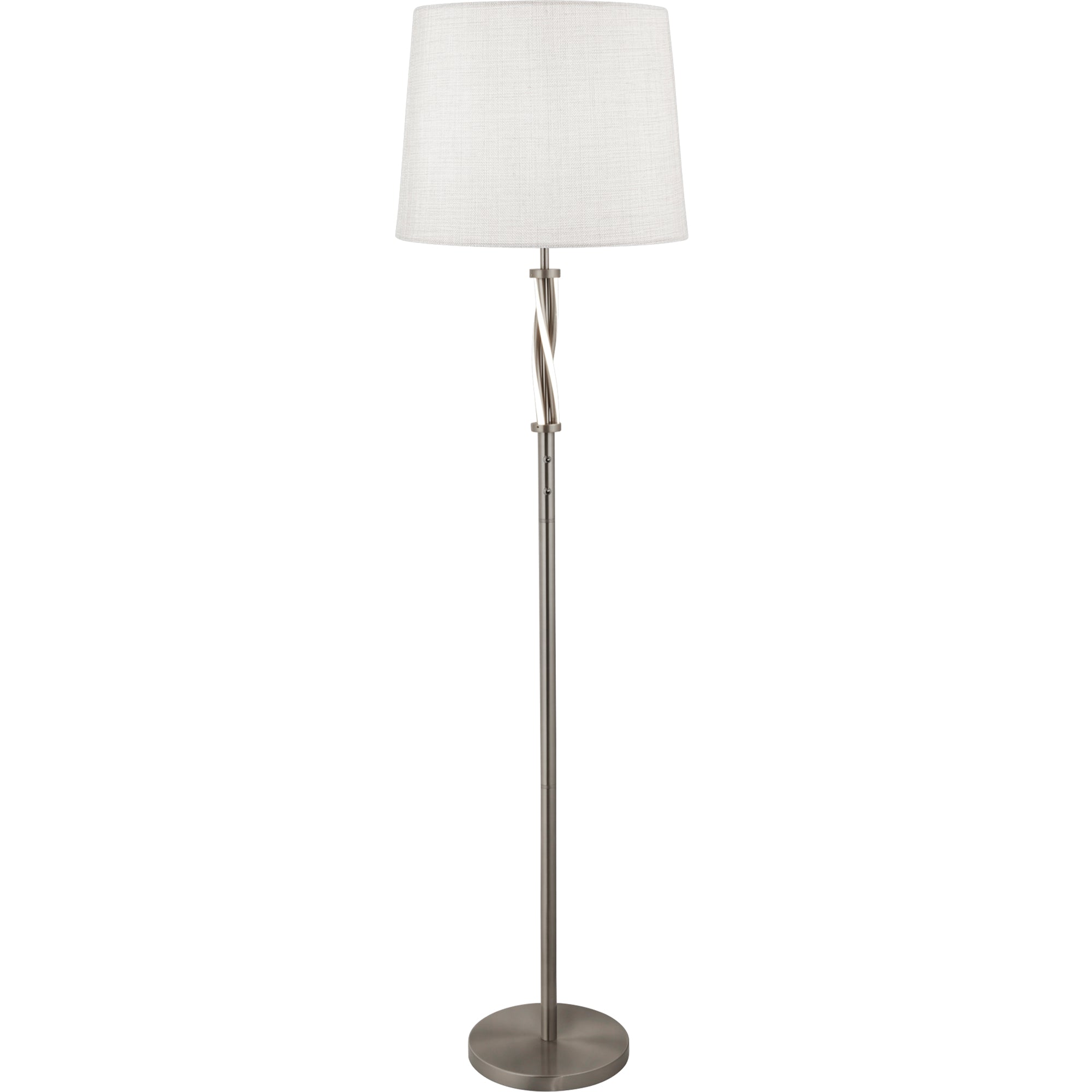
Floor lamp shades run larger than table lamp shades, usually somewhere around 40 to 50cm across, because the shade sits higher and needs more presence to read at all.
Swapping the shade is the cheapest way to bring an older floor lamp back into a room that has been repainted around it. We carry over six hundred, so if the base is sound it is nearly always worth reshading rather than replacing.
Practical points
Think about where the socket is before you buy. A lamp that has to reach across a doorway is a trip hazard and it will annoy you daily. If the only socket is awkward, look at lamps with a longer flex or plan for a floor socket if you are renovating.
A smart plug or an inline dimmer is worth adding. Floor lamps get switched at the flex, usually at ankle height behind furniture, which is why plenty of them end up never being turned on. Take that friction away and the lamp actually gets used.
Running costs are negligible with modern bulbs. A floor lamp on for a full evening every day costs very little across a year, which is worth knowing if you are hesitating about leaving one on for atmosphere.
Come and see them lit
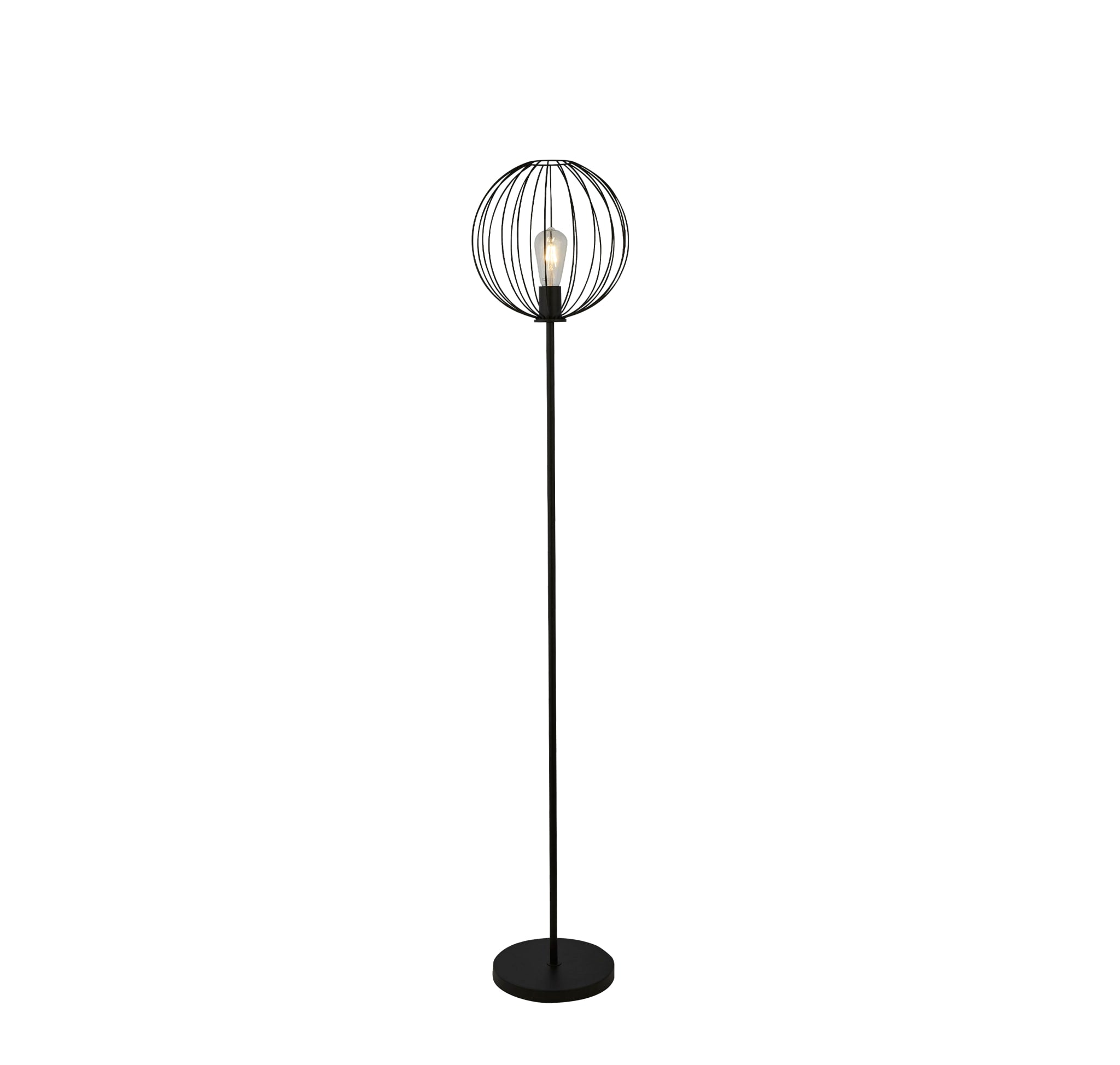
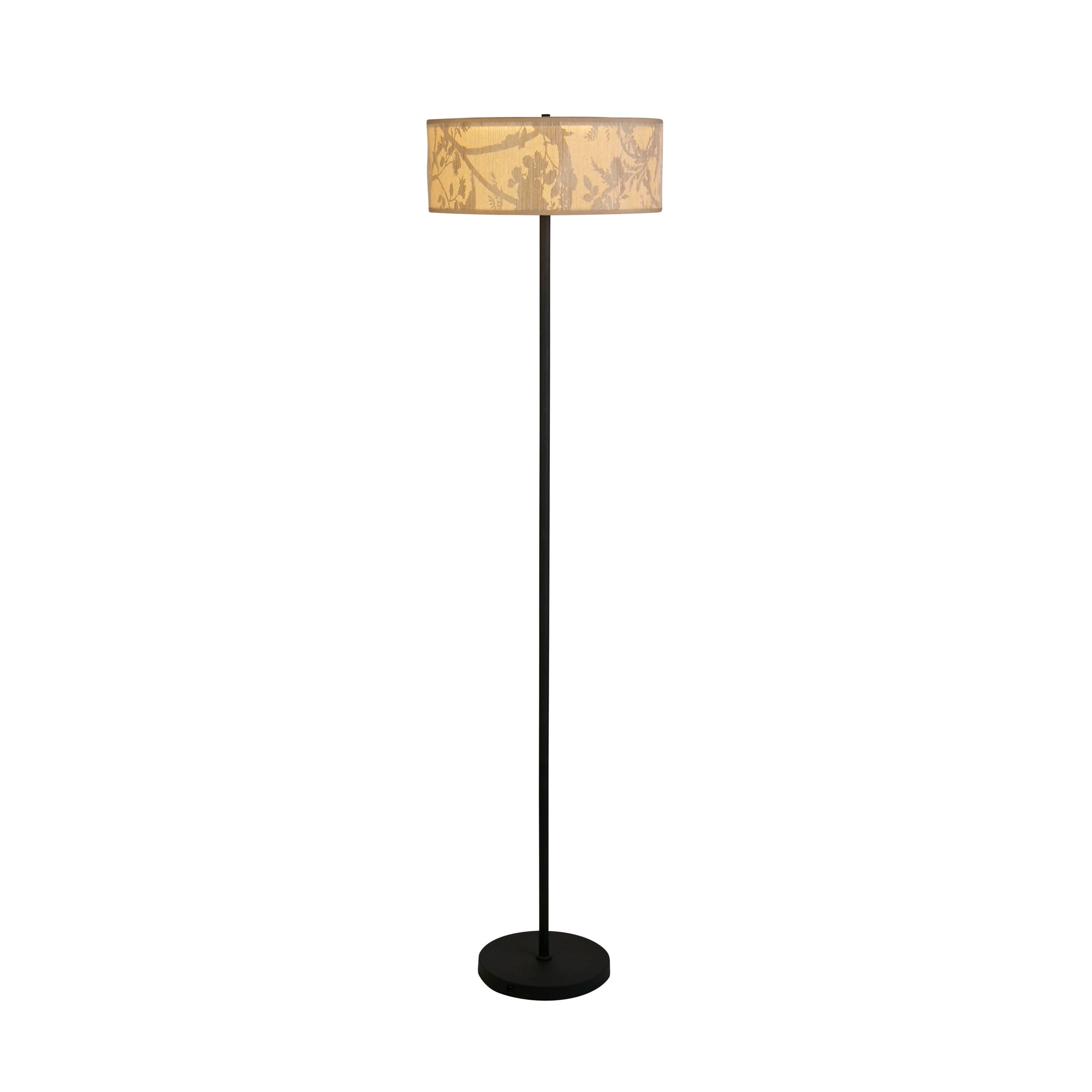
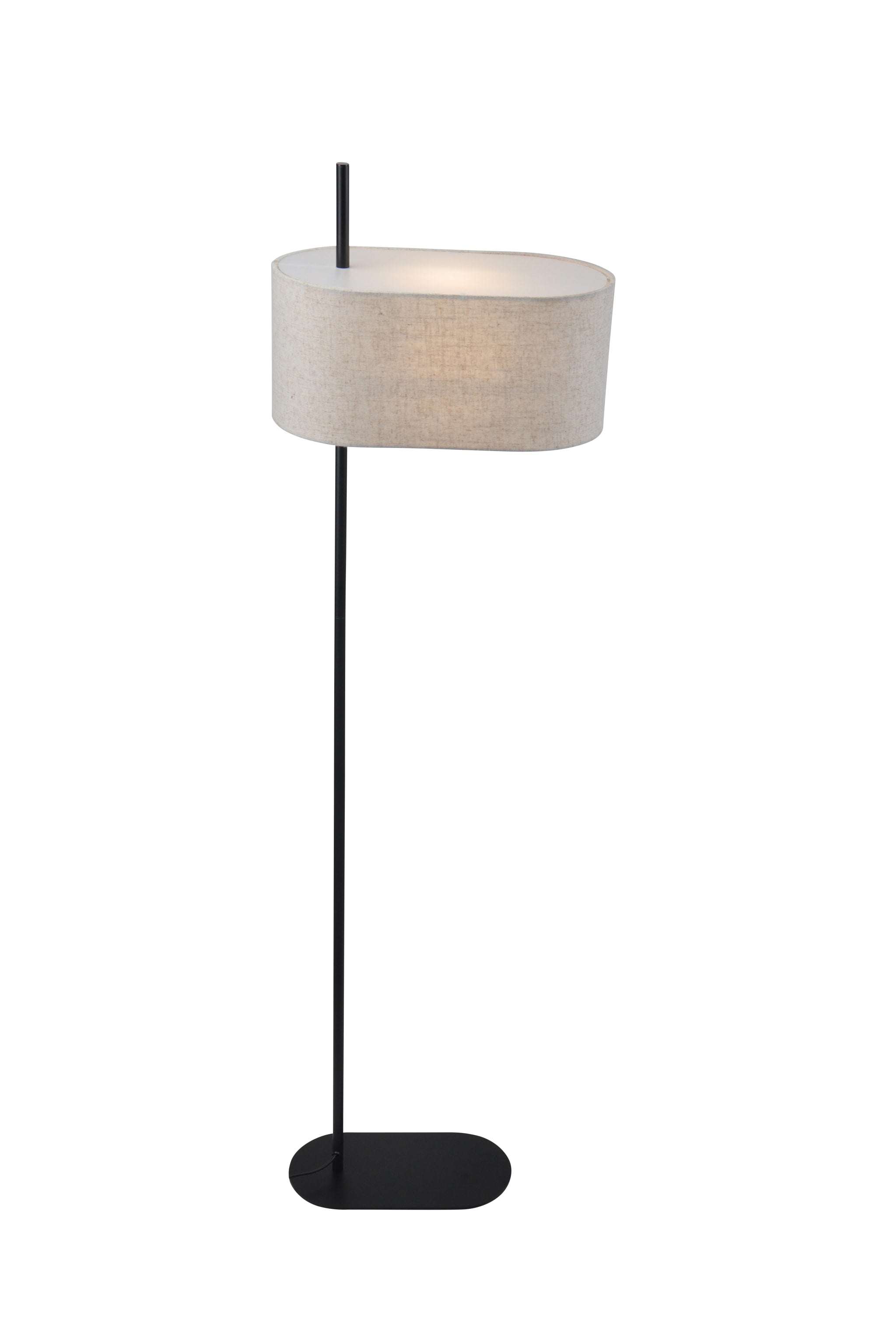
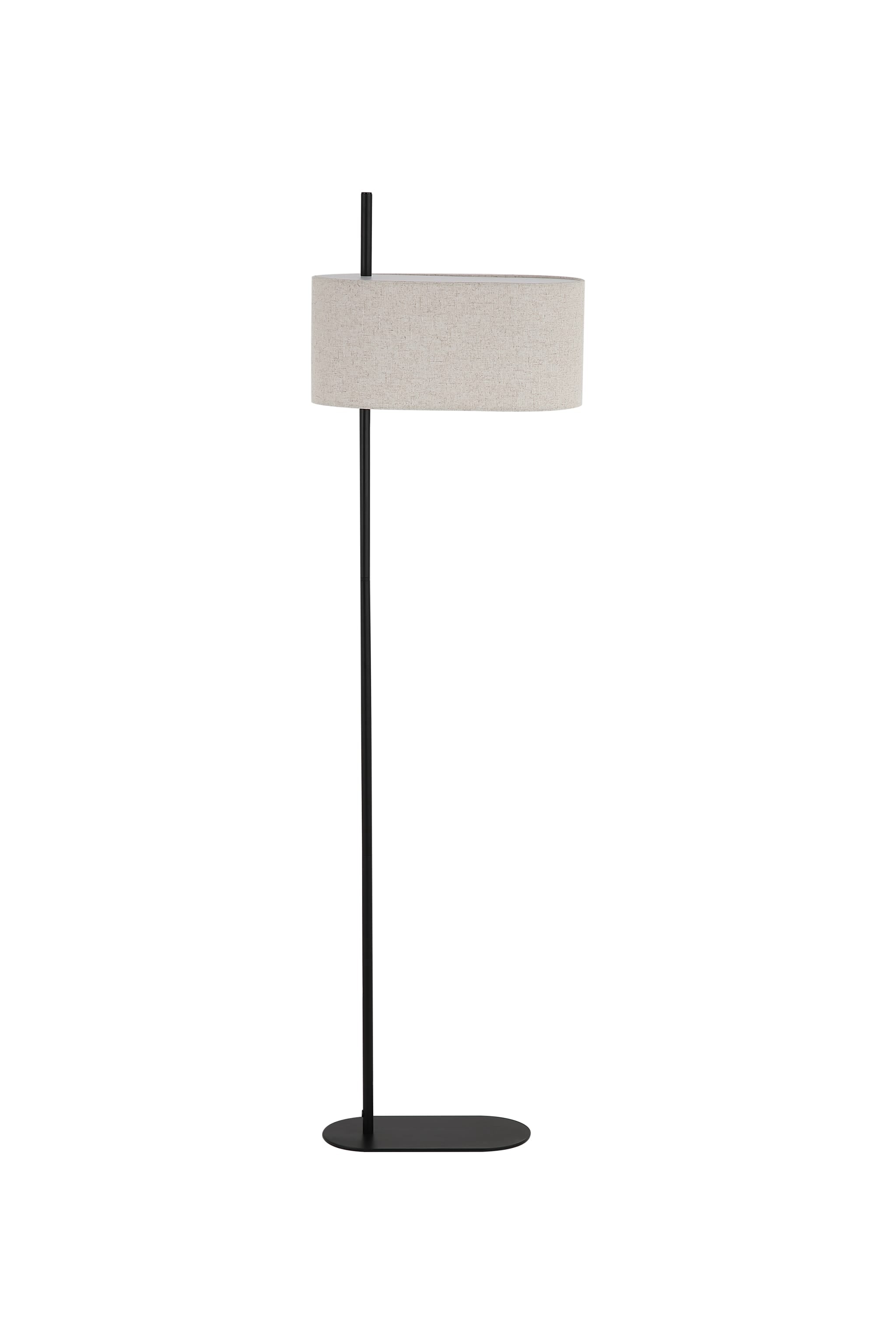
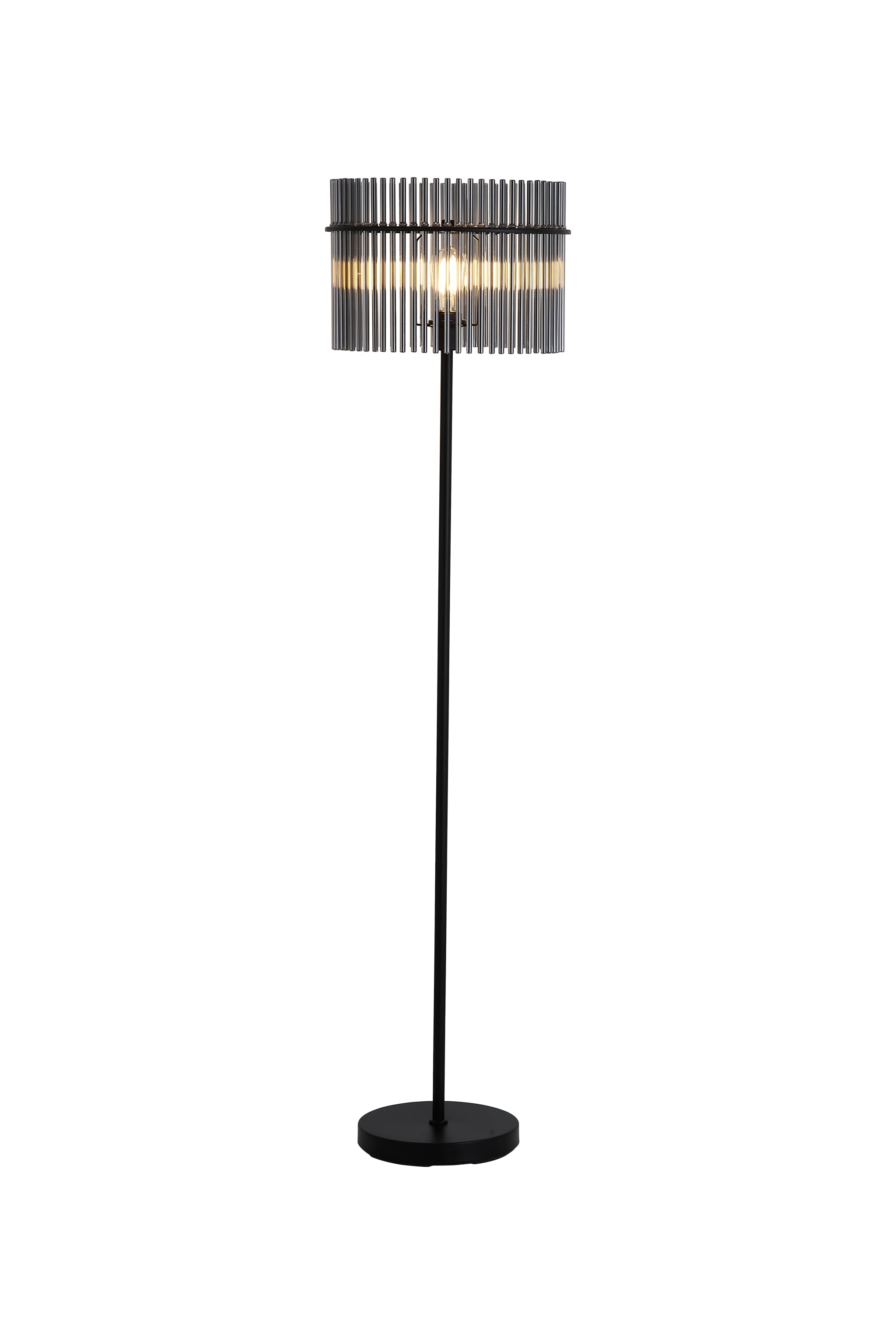
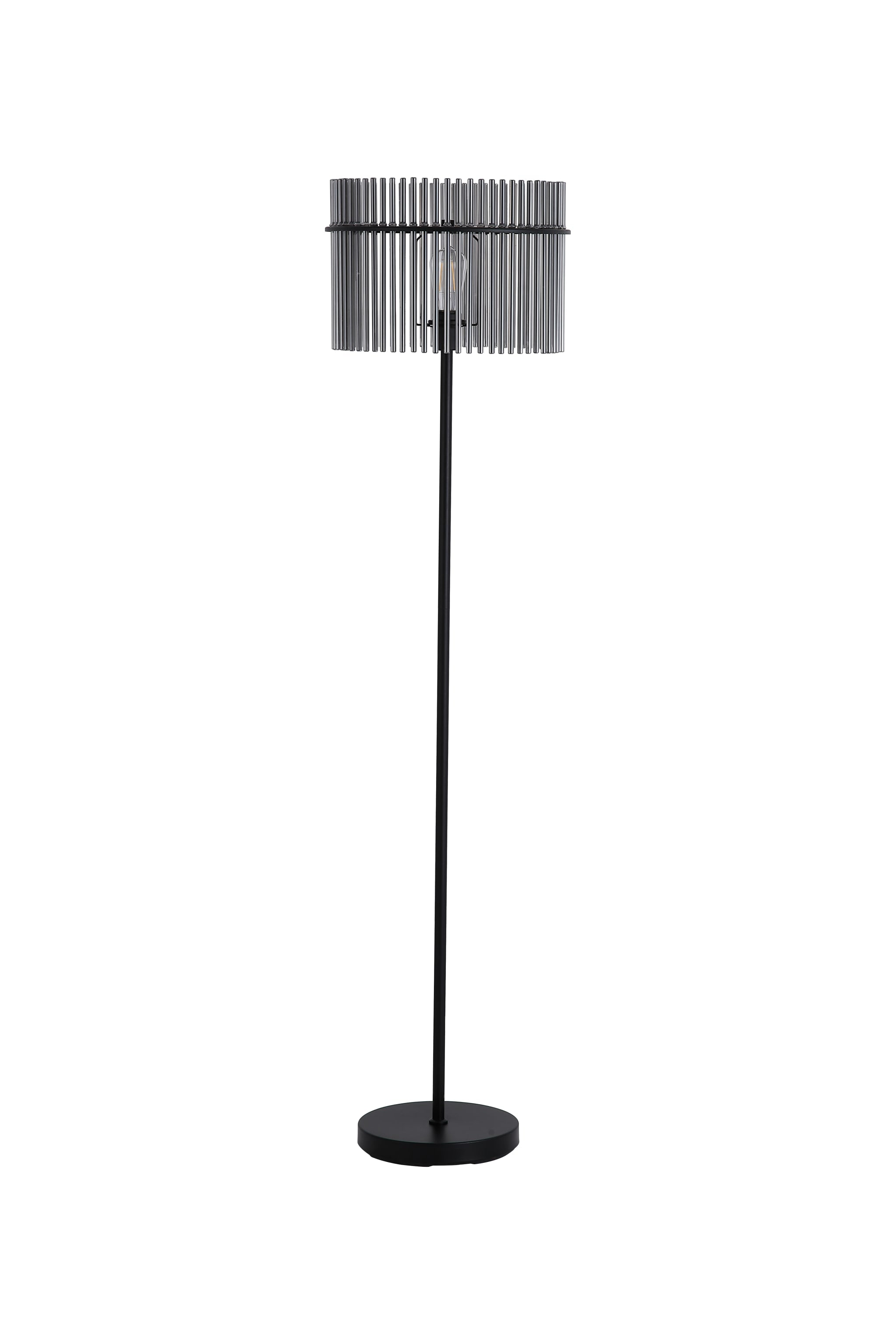
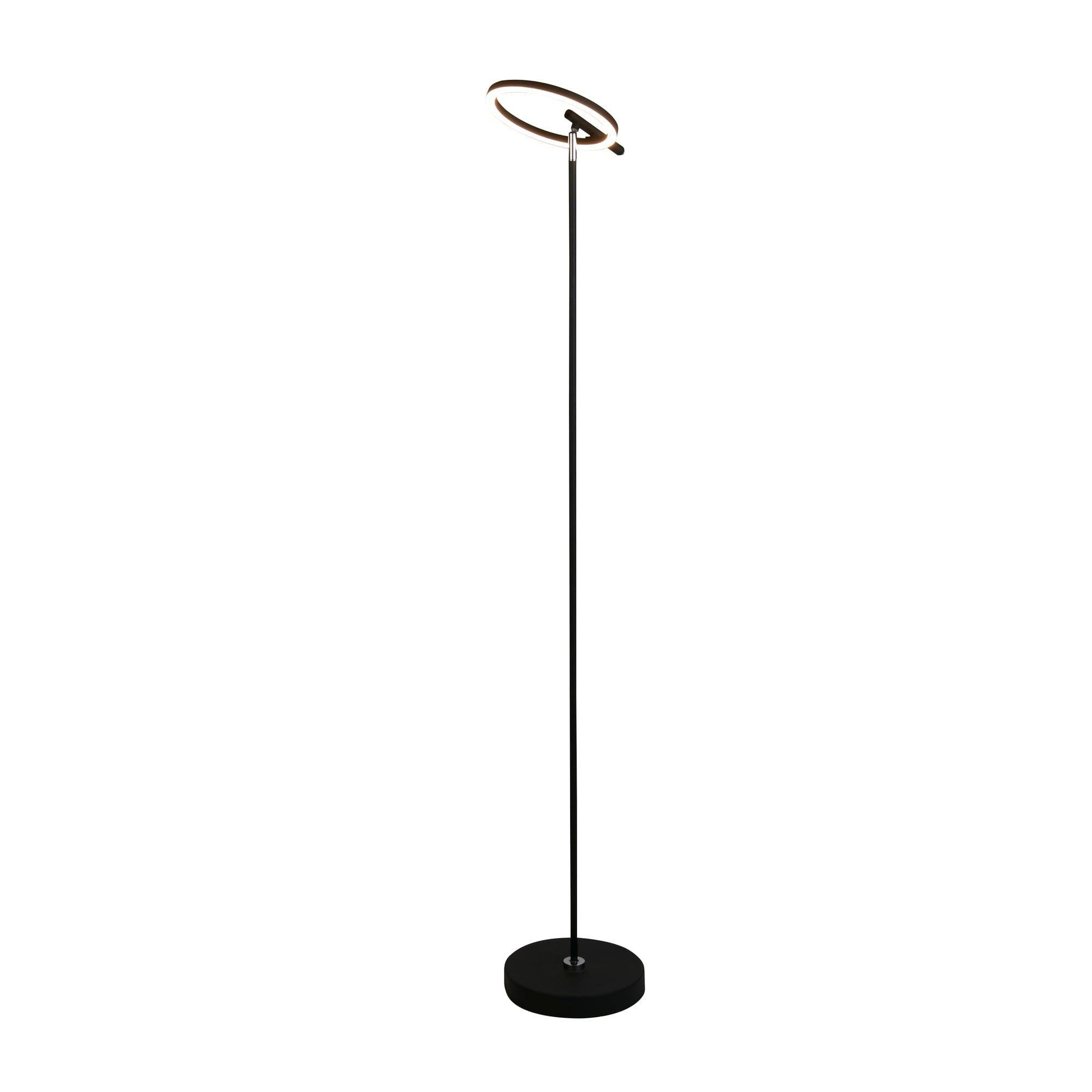
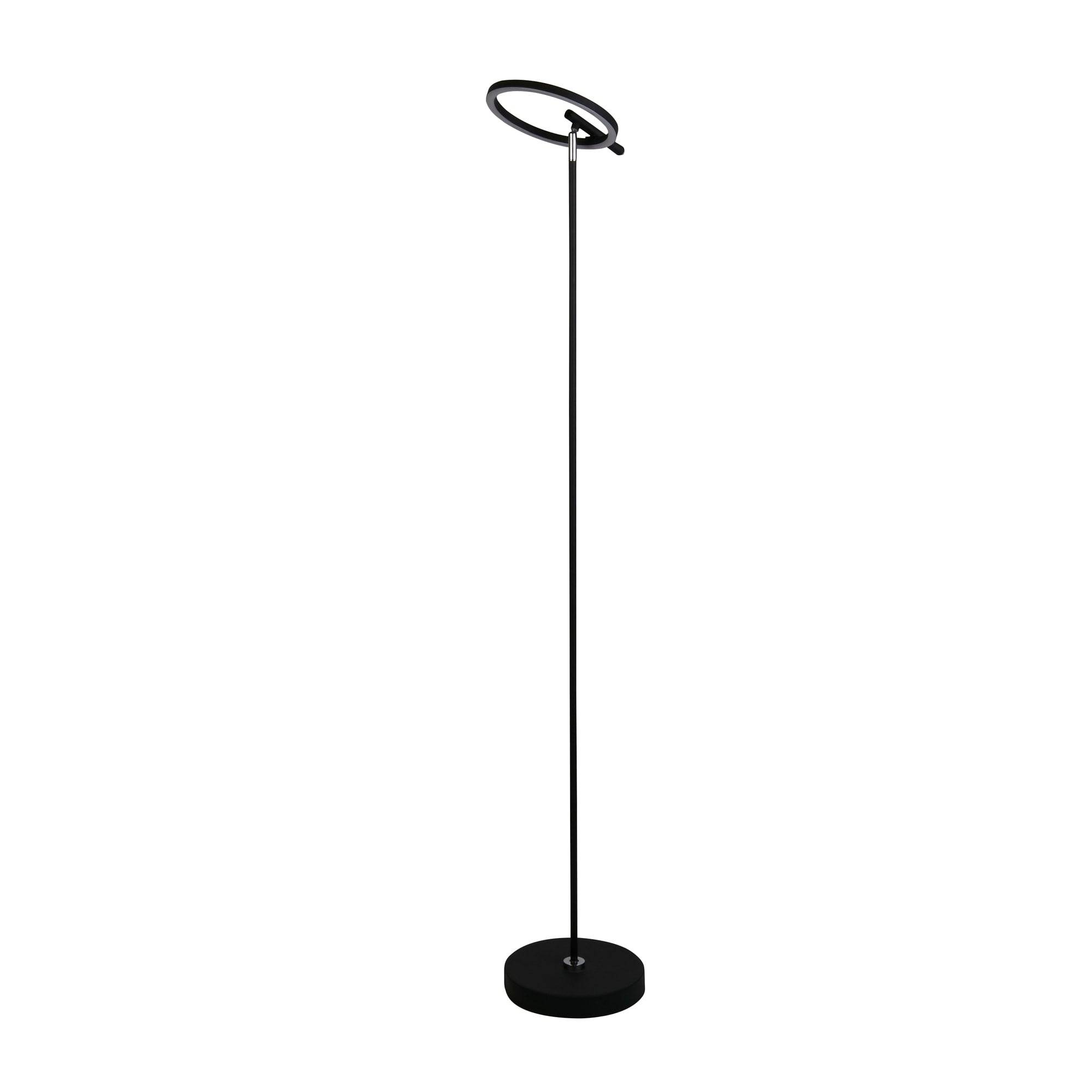
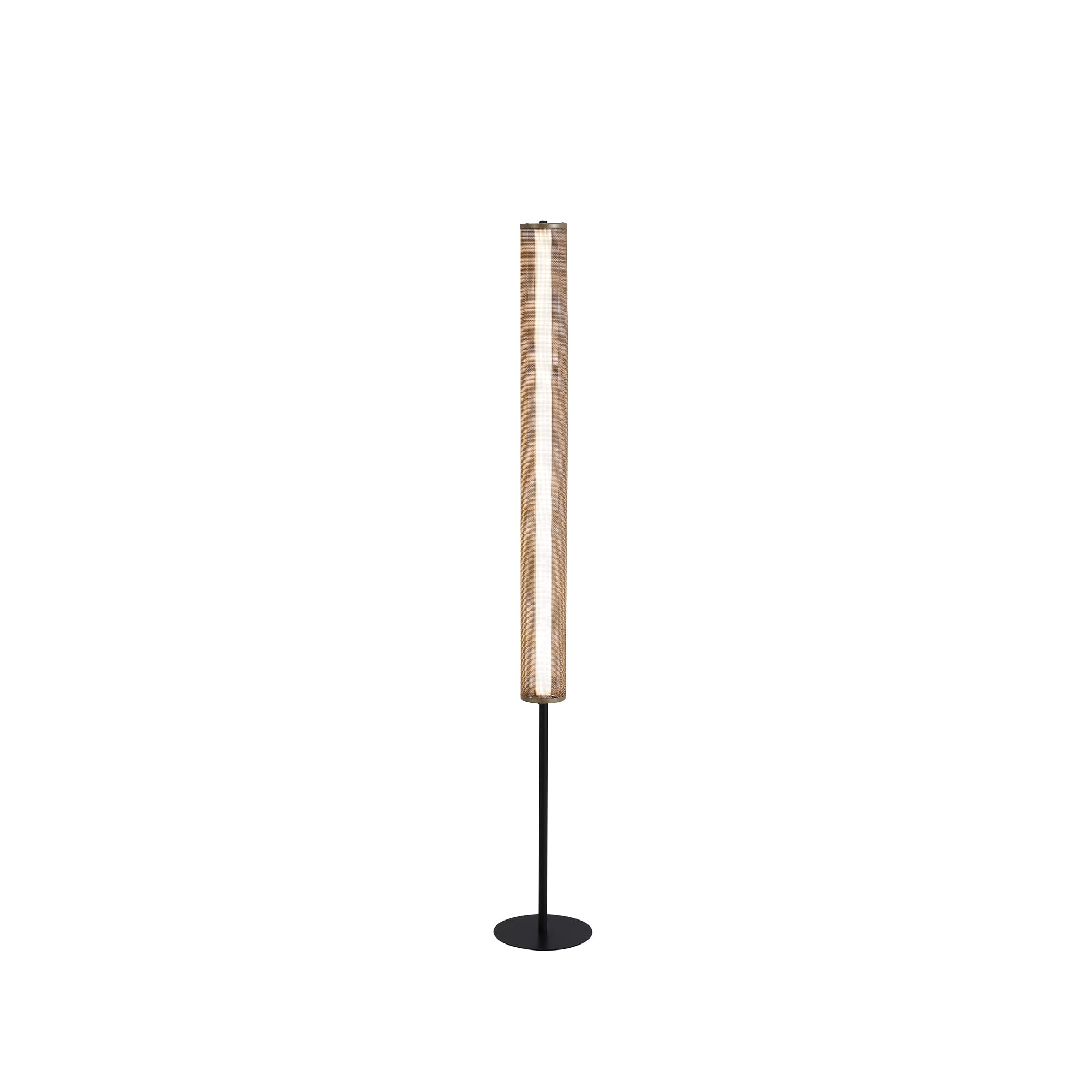
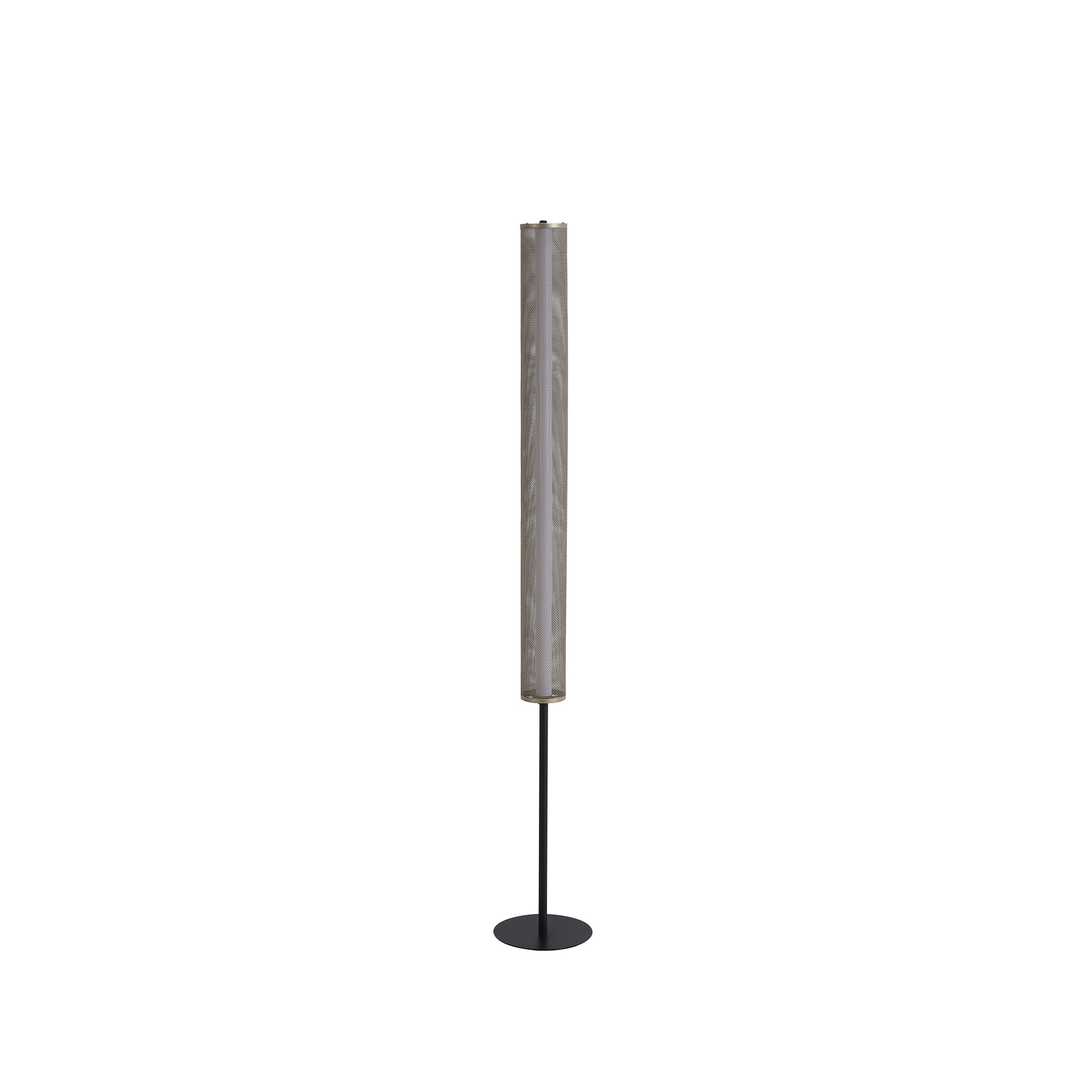
Scale is the thing people get wrong with floor lamps, and it is impossible to judge from a photograph on a white background. Standing beside one tells you in two seconds whether it suits the corner you have in mind. Our showroom in Donabate, Co. Dublin has a good part of the range up and lit.
Floor lamps: your questions answered
Do I need an electrician for a floor lamp?
No. It plugs into a socket. It is the only lighting in the shop you can put in place yourself the day it arrives, which is why it suits rented homes and rooms you would rather not have chased and replastered.
How tall should a floor lamp be?
Most sit between 150cm and 180cm. For reading, what matters more is that the bottom of the shade lands around shoulder height when you are seated, roughly 100 to 120cm.
What is the best floor lamp for reading?
A directional reading lamp or a swing-arm. Position it slightly behind and to one side of the chair so the light comes over your shoulder onto the page rather than into your eyes.
Where should I put a floor lamp?
Corners first, because that is where a room goes dark. After that, beside a reading chair, or behind a sofa with an arched lamp reaching over the seat. Keep the base and the flex clear of walkways.
What size shade does a floor lamp take?
Larger than a table lamp shade, usually around 40 to 50cm across. The shade sits higher, so it needs more presence to look right.
Can I put a new shade on an old floor lamp?
Nearly always, and it is the cheapest way to update a room. Check the fitting listed on the shade against what your lamp takes, or bring the lamp into the showroom and we will match it.
Are floor lamps expensive to run?
Not with modern bulbs. Leaving one on through an evening costs very little over a year.
Browse the rest of the range


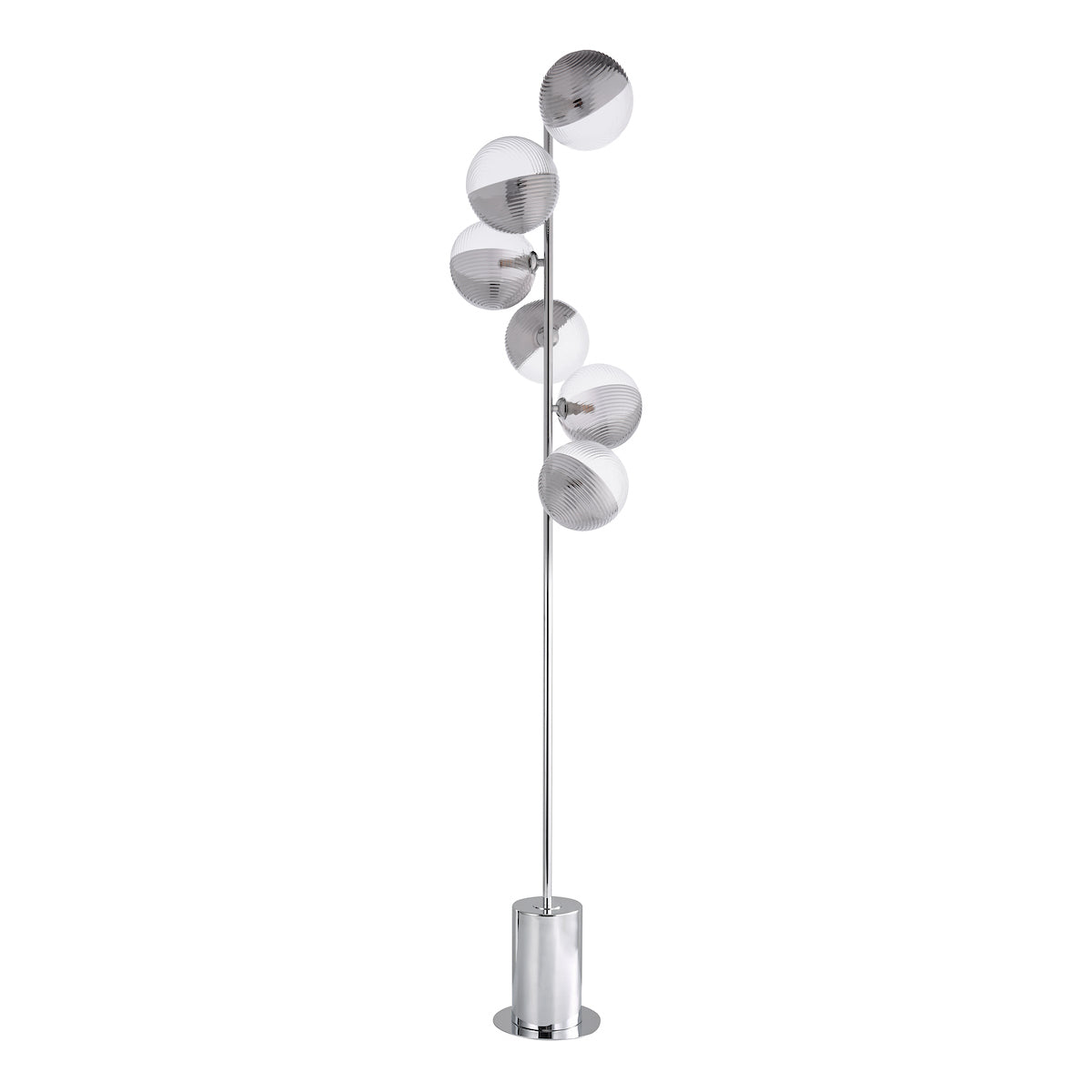
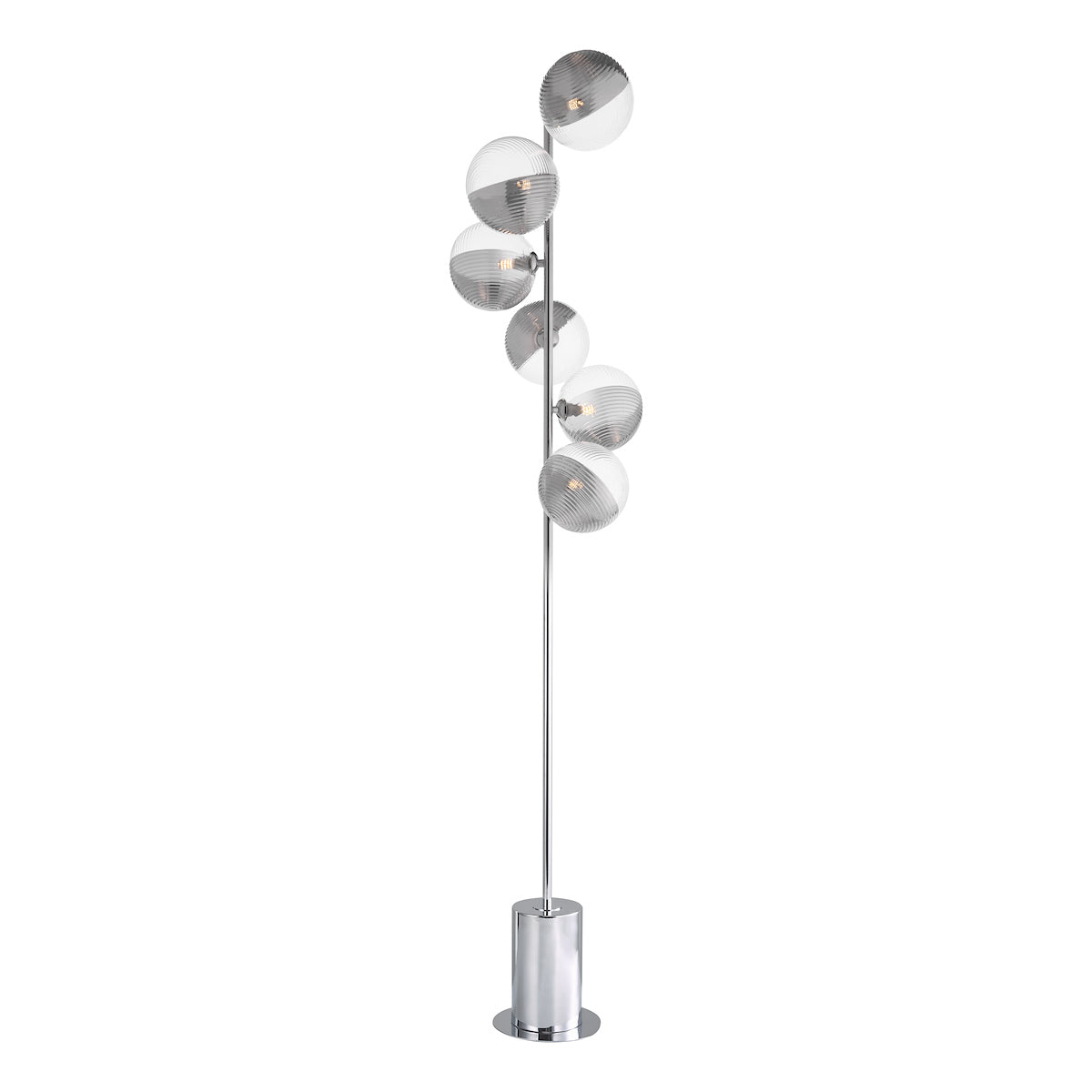
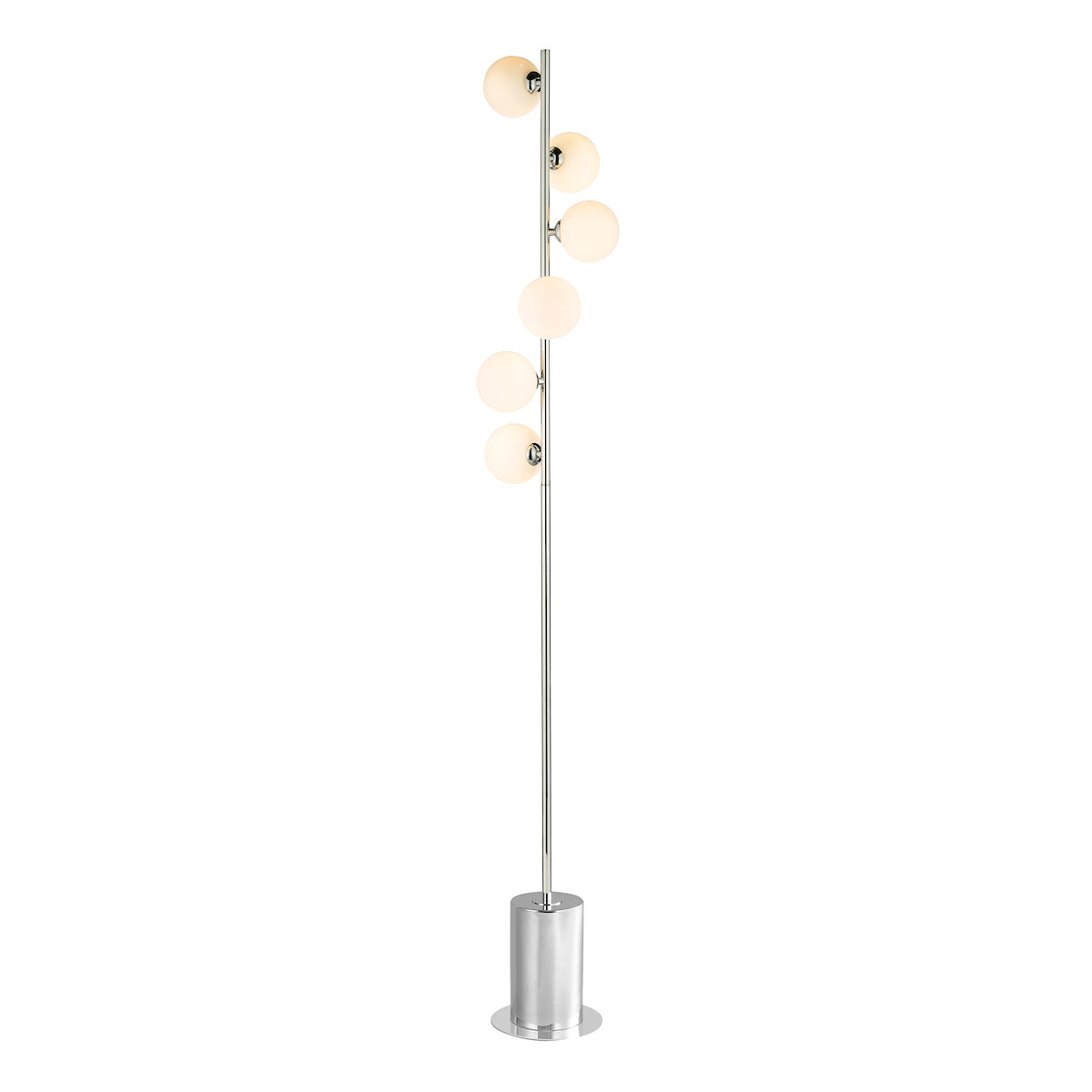
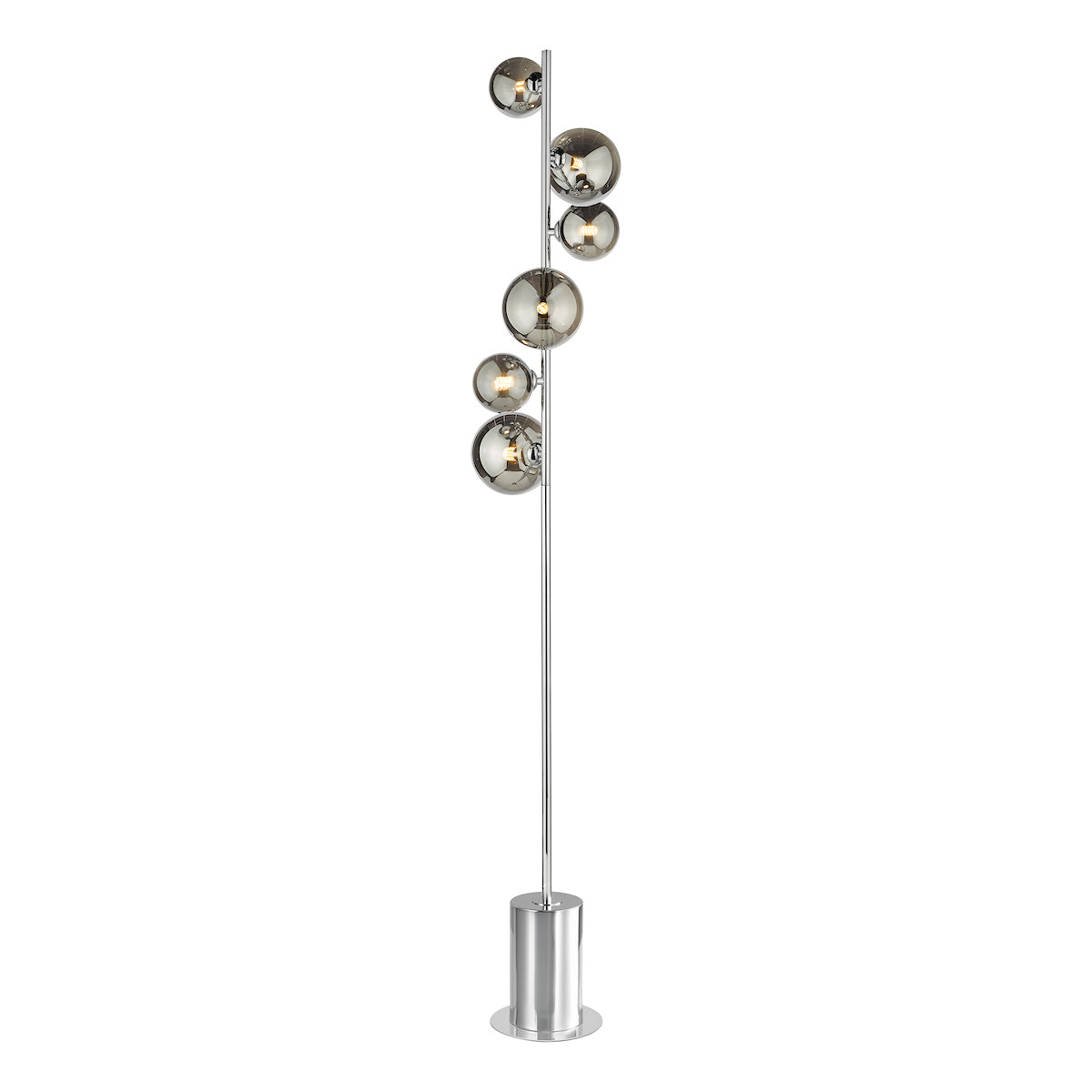
Recently viewed
Match Your Switch
Floor Lamps
Floor lamps for reading corners, living rooms and bedrooms. Tripods, arched lamps, uplighters and swing-arm readers.
Where to put one and how tall it should be is set out below the collection.
The only light you can fix today
Everything else in this shop needs an electrician, a ladder and a day when somebody is home. A floor lamp needs a socket.
That makes it the answer to a specific and very common problem: the room is badly lit, and the ceiling point is in the wrong place, and you are not going to rewire a finished room to fix it. Renting, waiting on a renovation, or just unwilling to have someone chase a wall in November, the floor lamp is the layer you can add this evening.
It is also the layer that does the most for how a room feels. Light at the height of a seated person, coming from the side, is what stops a living room looking like a waiting area. One good floor lamp in a corner will change a room more than a brighter bulb in the ceiling ever will.
Types, and what each is for
- Reading and task lamps. A directional head, usually adjustable, positioned to throw light onto a page rather than into the room. The one to buy if there is a chair somebody actually reads in.
- Swing-arm. A reading lamp with a jointed arm, so the head reaches out over a chair or a sofa without the base being in the way of your feet.
- Arched and arc lamps. The base sits to the side, the arm curves over. Built for the situation where you want light above a sofa or a coffee table and there is no ceiling point anywhere near it.
- Tripod and shaded lamps. A shade on three legs. More of a furniture piece than a light, and the shape that suits a corner beside an armchair.
- Uplighters. Throw light at the ceiling, which bounces back soft and even. The gentlest light in the house, and the best trick for making a low room feel taller.
Height and placement
| Where | What suits it | Height and placement |
|---|---|---|
| Beside a reading chair | Reading lamp or swing-arm | Bottom of the shade at shoulder height when seated, roughly 100–120cm. Set it slightly behind and to one side so light comes over the shoulder. |
| Beside or behind a sofa | Arched lamp | Base clear of the walkway, head over the seat. Most sit 150–180cm tall. |
| Corner of a living room | Tripod or shaded lamp | Around 150–170cm. Corners are where a room goes dark, so this is the highest-value spot. |
| Low-ceilinged room | Uplighter | Bouncing light off the ceiling adds apparent height. Keep it clear of the wall so the light can spread. |
| Bedroom | Slim reading lamp | Useful where the bedside table is already full. Aim the head at the book, not the room. |
| Home office corner | Adjustable task lamp | Position to avoid glare on a screen. Light from the side beats light from behind. |
The general rule for a shaded lamp: if you can see the bulb holder when you are sitting down, the lamp is too tall for that spot or the shade is too shallow.
Shades
Floor lamp shades run larger than table lamp shades, usually somewhere around 40 to 50cm across, because the shade sits higher and needs more presence to read at all.
Swapping the shade is the cheapest way to bring an older floor lamp back into a room that has been repainted around it. We carry over six hundred, so if the base is sound it is nearly always worth reshading rather than replacing.
Practical points
Think about where the socket is before you buy. A lamp that has to reach across a doorway is a trip hazard and it will annoy you daily. If the only socket is awkward, look at lamps with a longer flex or plan for a floor socket if you are renovating.
A smart plug or an inline dimmer is worth adding. Floor lamps get switched at the flex, usually at ankle height behind furniture, which is why plenty of them end up never being turned on. Take that friction away and the lamp actually gets used.
Running costs are negligible with modern bulbs. A floor lamp on for a full evening every day costs very little across a year, which is worth knowing if you are hesitating about leaving one on for atmosphere.
Come and see them lit
Scale is the thing people get wrong with floor lamps, and it is impossible to judge from a photograph on a white background. Standing beside one tells you in two seconds whether it suits the corner you have in mind. Our showroom in Donabate, Co. Dublin has a good part of the range up and lit.
Floor lamps: your questions answered
Do I need an electrician for a floor lamp?
No. It plugs into a socket. It is the only lighting in the shop you can put in place yourself the day it arrives, which is why it suits rented homes and rooms you would rather not have chased and replastered.
How tall should a floor lamp be?
Most sit between 150cm and 180cm. For reading, what matters more is that the bottom of the shade lands around shoulder height when you are seated, roughly 100 to 120cm.
What is the best floor lamp for reading?
A directional reading lamp or a swing-arm. Position it slightly behind and to one side of the chair so the light comes over your shoulder onto the page rather than into your eyes.
Where should I put a floor lamp?
Corners first, because that is where a room goes dark. After that, beside a reading chair, or behind a sofa with an arched lamp reaching over the seat. Keep the base and the flex clear of walkways.
What size shade does a floor lamp take?
Larger than a table lamp shade, usually around 40 to 50cm across. The shade sits higher, so it needs more presence to look right.
Can I put a new shade on an old floor lamp?
Nearly always, and it is the cheapest way to update a room. Check the fitting listed on the shade against what your lamp takes, or bring the lamp into the showroom and we will match it.
Are floor lamps expensive to run?
Not with modern bulbs. Leaving one on through an evening costs very little over a year.