
Ceiling fittings, mirror lights and wall lights rated for bathroom use.
What the zones and IP ratings mean, in plain English, below the collection.
The one room where the rules are not optional
Bathroom lighting is the only category in the shop where the fitting you like might simply not be allowed where you want to put it. Water and electricity make this a regulated area, and the rules exist for obvious reasons.
The good news is that it is not complicated once you know the shape of it. A bathroom is divided into zones based on how close a position is to a bath or shower. The closer it is, the more protection the fitting needs. Every fitting carries an IP rating that says how much protection it offers.
Match the rating to the zone and you are fine. Your electrician will confirm which zone your position falls into, and that conversation should happen before you order rather than after.
Zones and ratings, roughly
| Zone | Roughly where | What it needs |
|---|---|---|
| Zone 0 | Inside the bath or shower tray itself | The most protected rating there is, and low voltage. Specialist fittings only. |
| Zone 1 | Directly above the bath or shower, up to 2.25m | A high rating, typically IP65. This is where most bathroom ceiling spots sit. |
| Zone 2 | Extending 0.6m beyond zone 1, and around a washbasin | IP44 as a minimum. Most mirror lights live here. |
| Outside the zones | The rest of the room, clear of splashing | More freedom, though steam is still a factor in a small bathroom. |
This table is a general orientation, not a specification for your bathroom. Ceiling height, shower type and room layout all change where the zone boundaries actually fall. Every product page lists the fitting's rating. Your electrician confirms what your position requires.
Lighting a bathroom mirror
A single light on the ceiling above a mirror is the arrangement that makes everybody look tired. It casts shadows straight down, under the eyes and under the chin, which is precisely where you do not want them when you are shaving or putting on make-up.
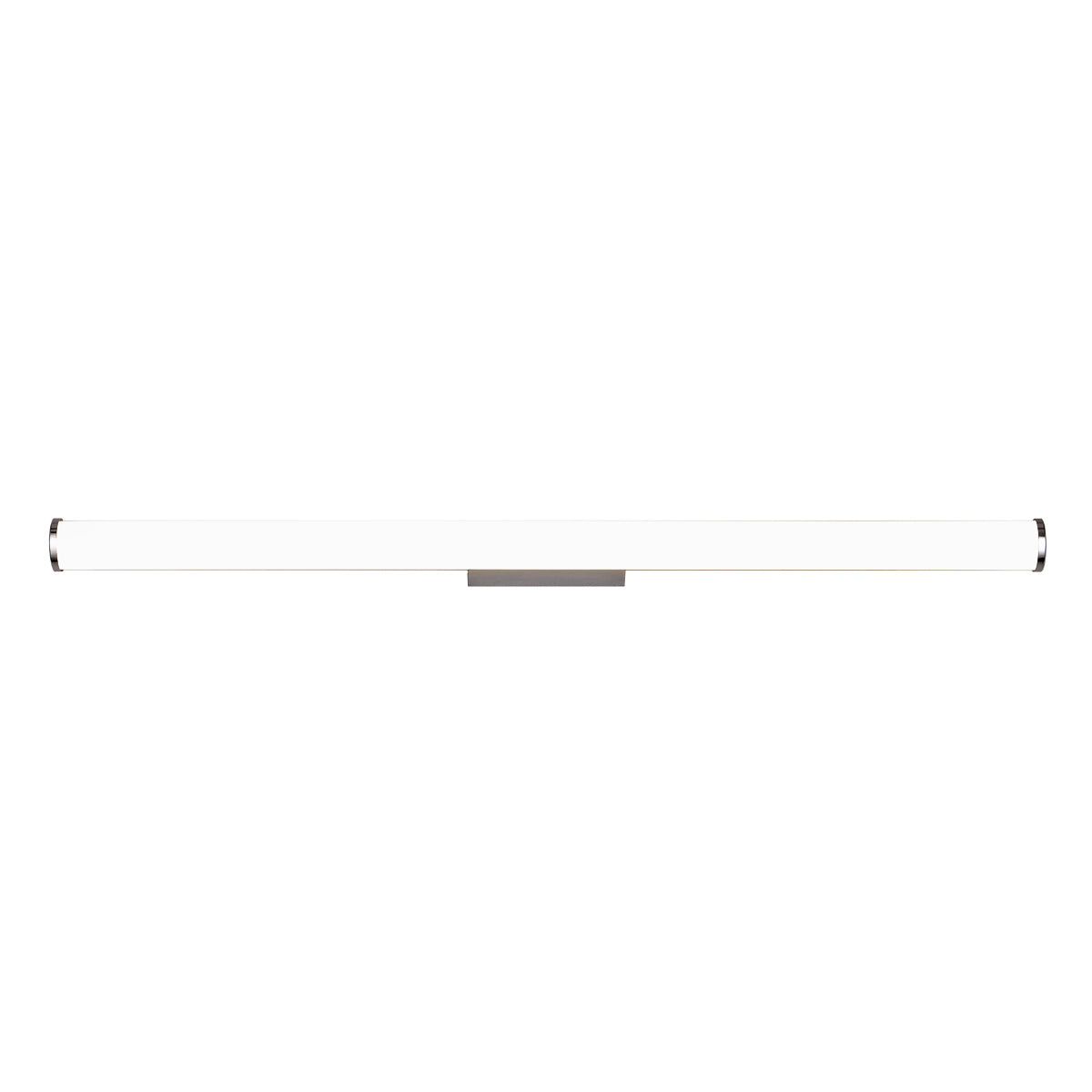
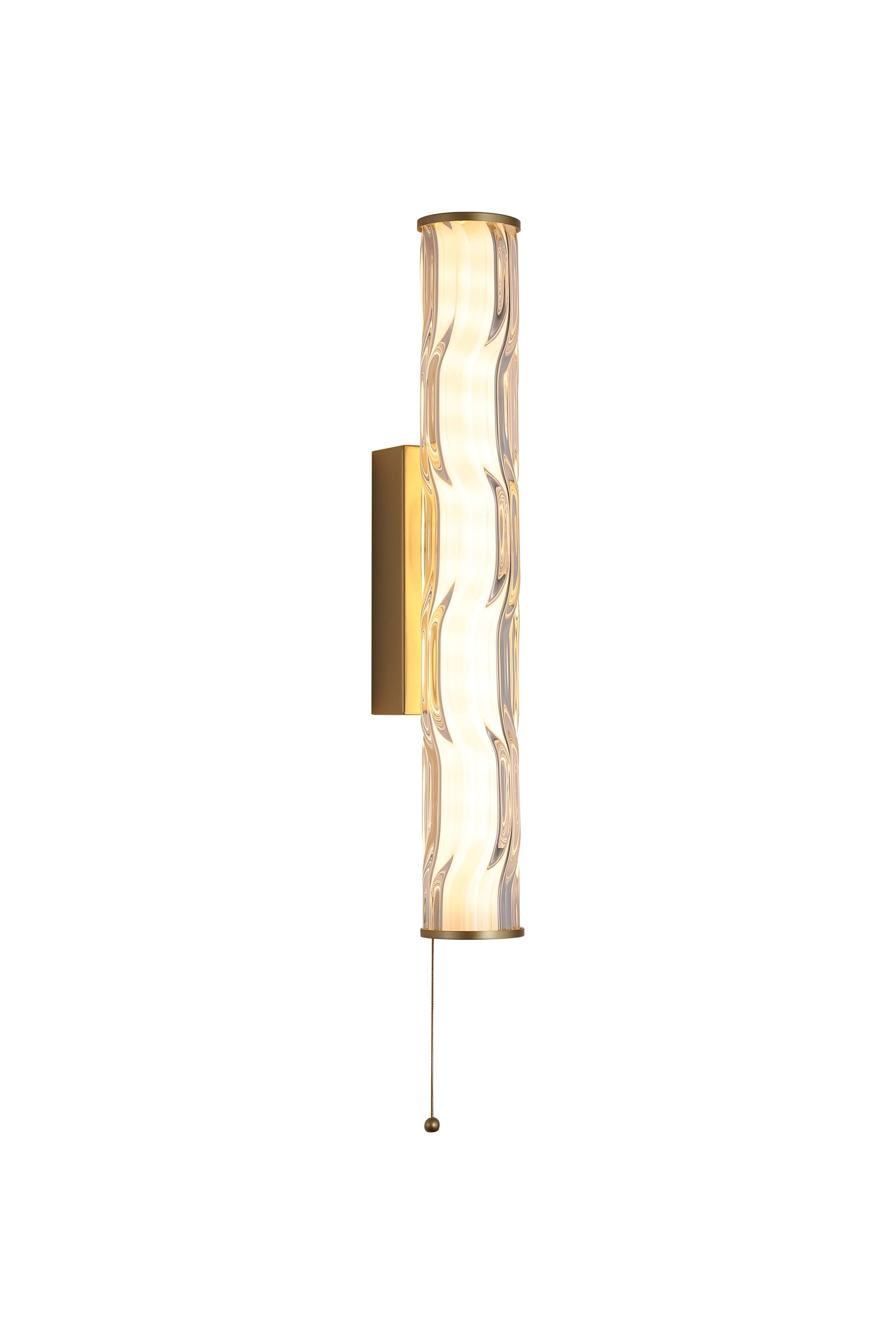
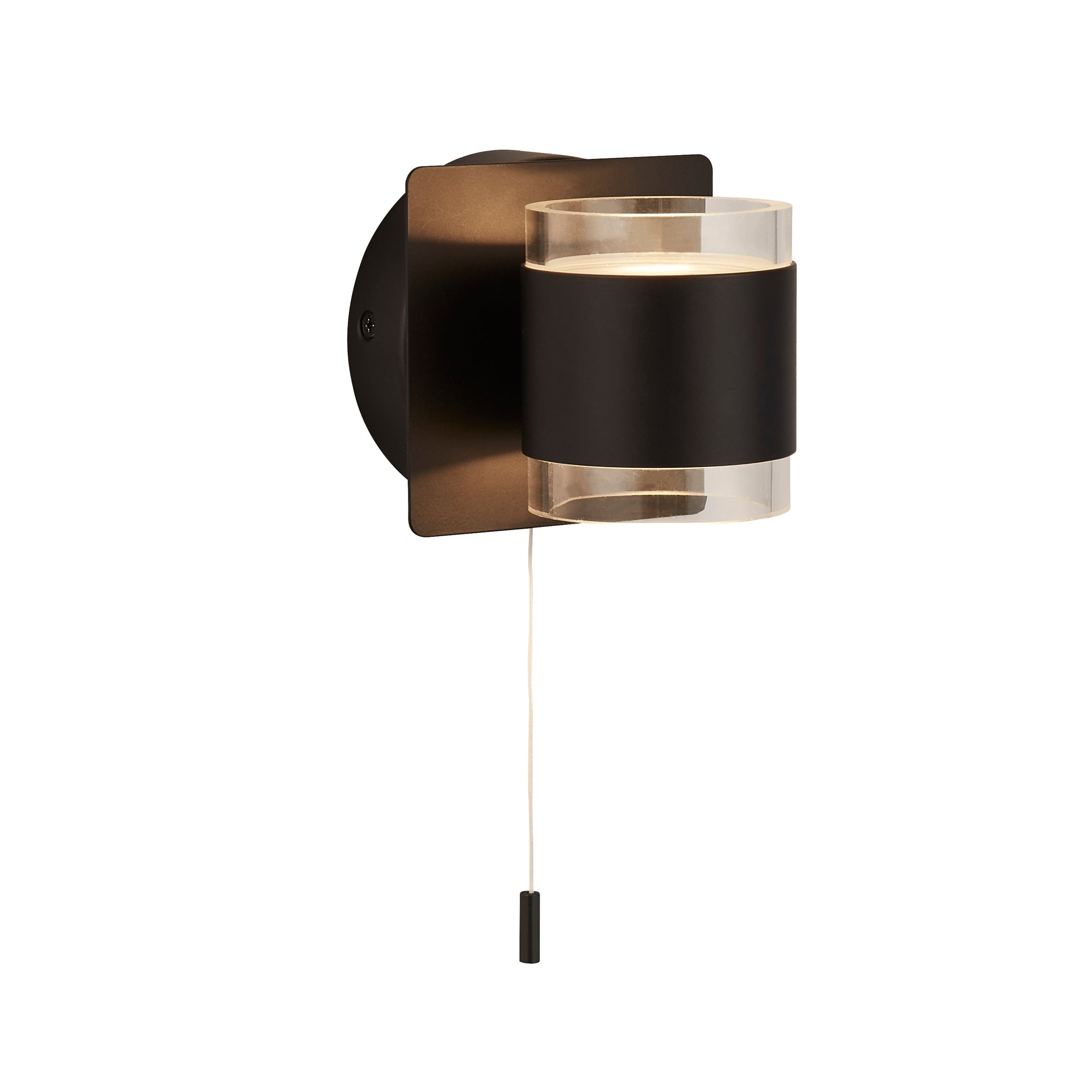
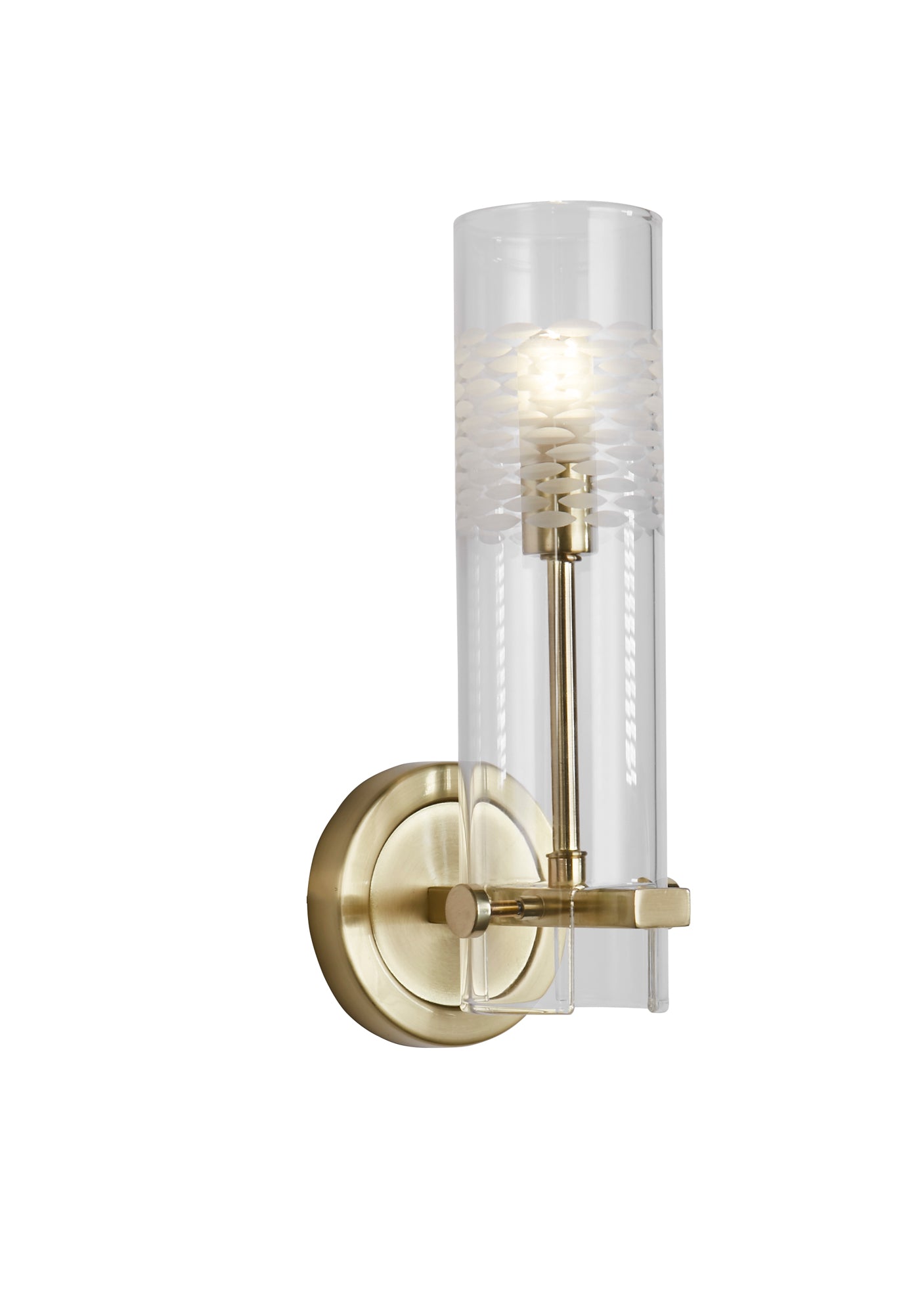
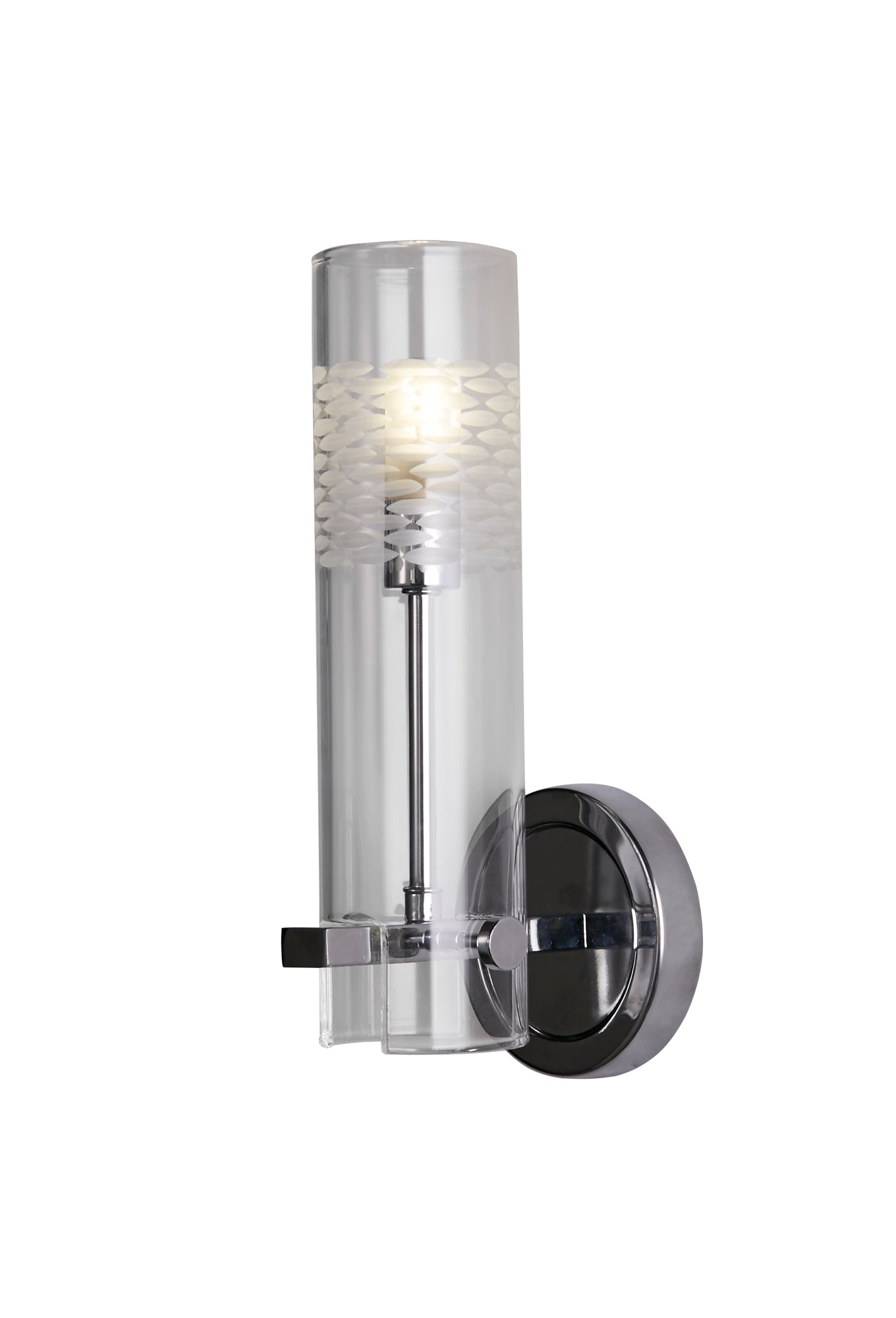
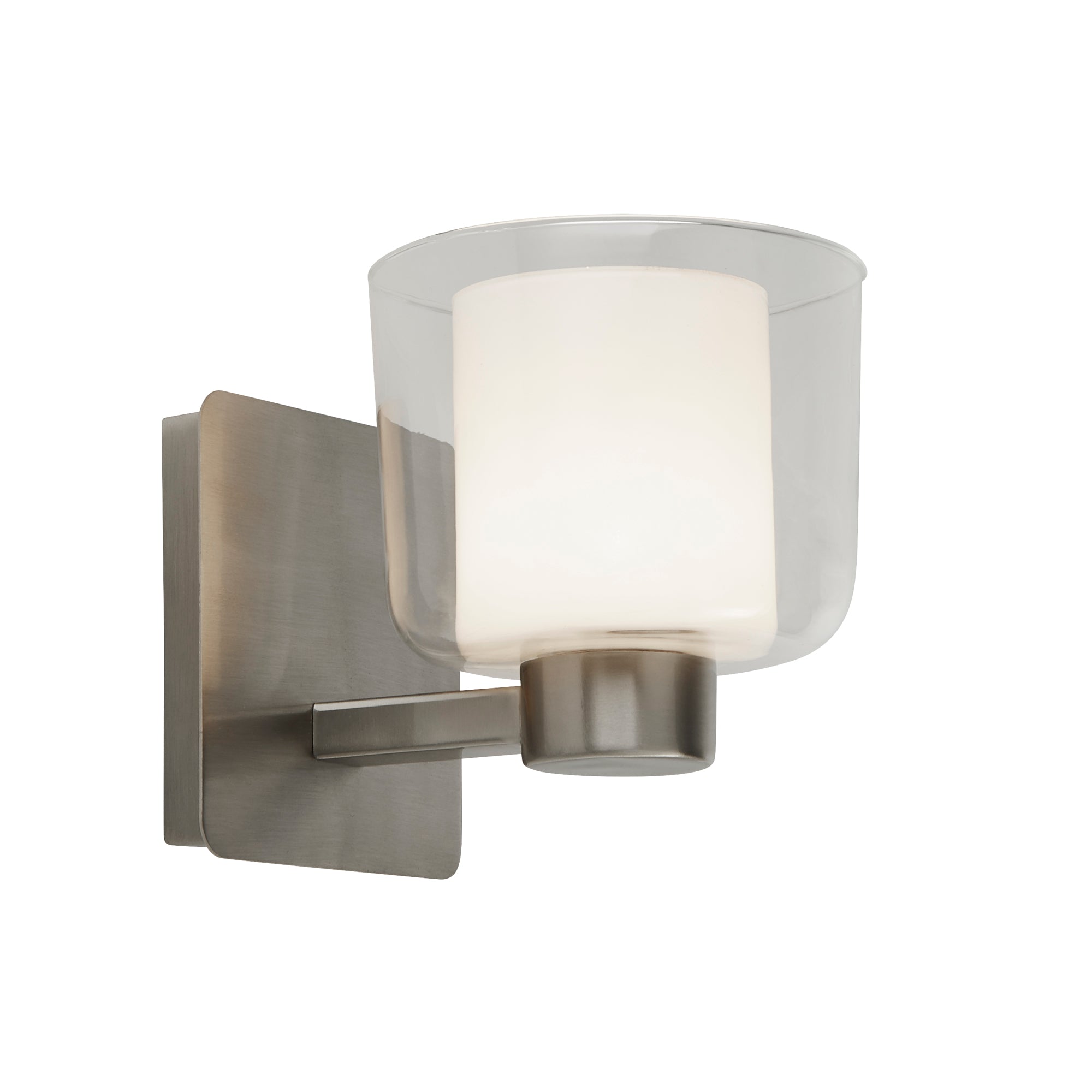
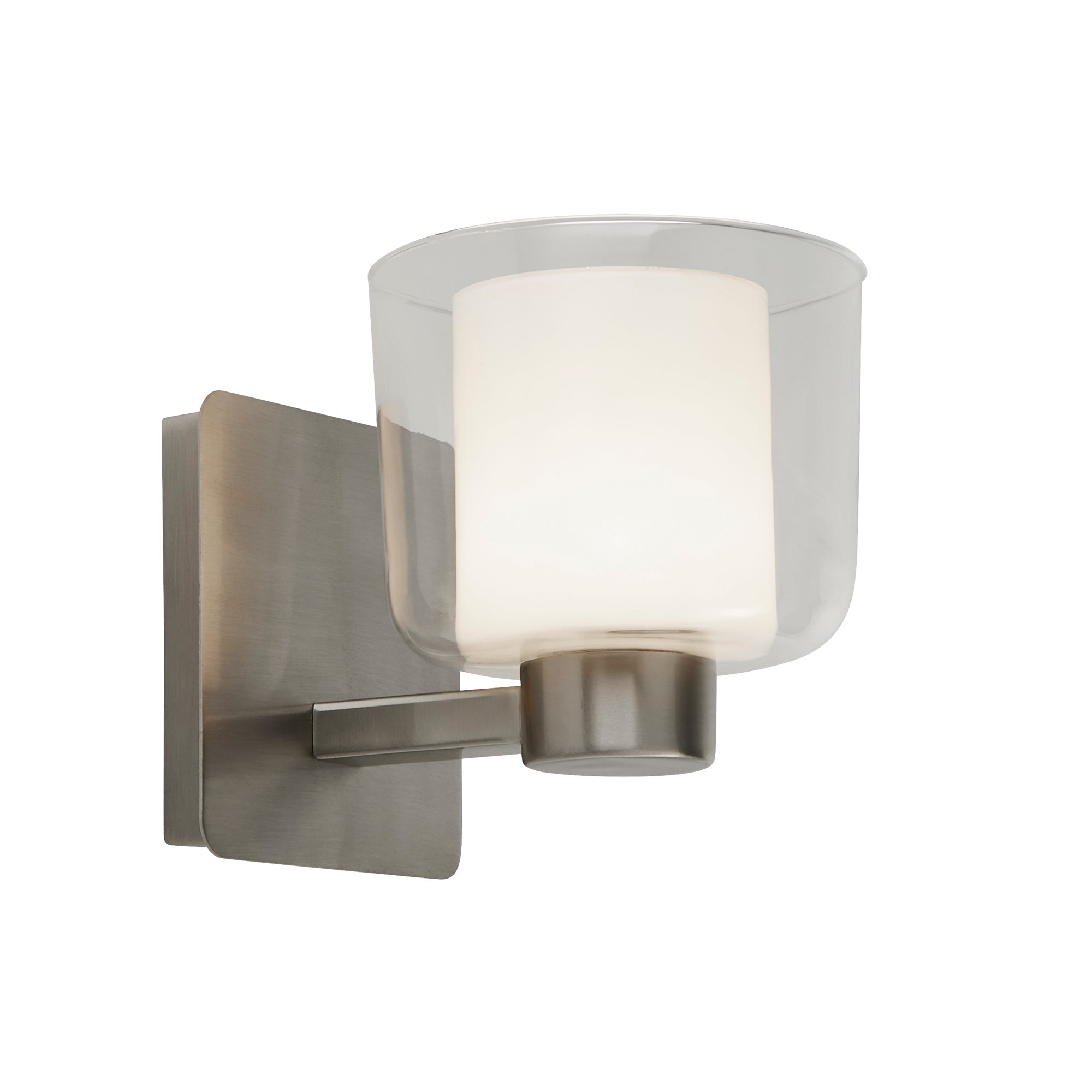
Two wall lights either side of the mirror, at around eye level and 75 to 90cm apart, fix it completely. Light arrives from both sides at face height and fills the shadows in rather than deepening them. It is the single biggest improvement most bathrooms can make.
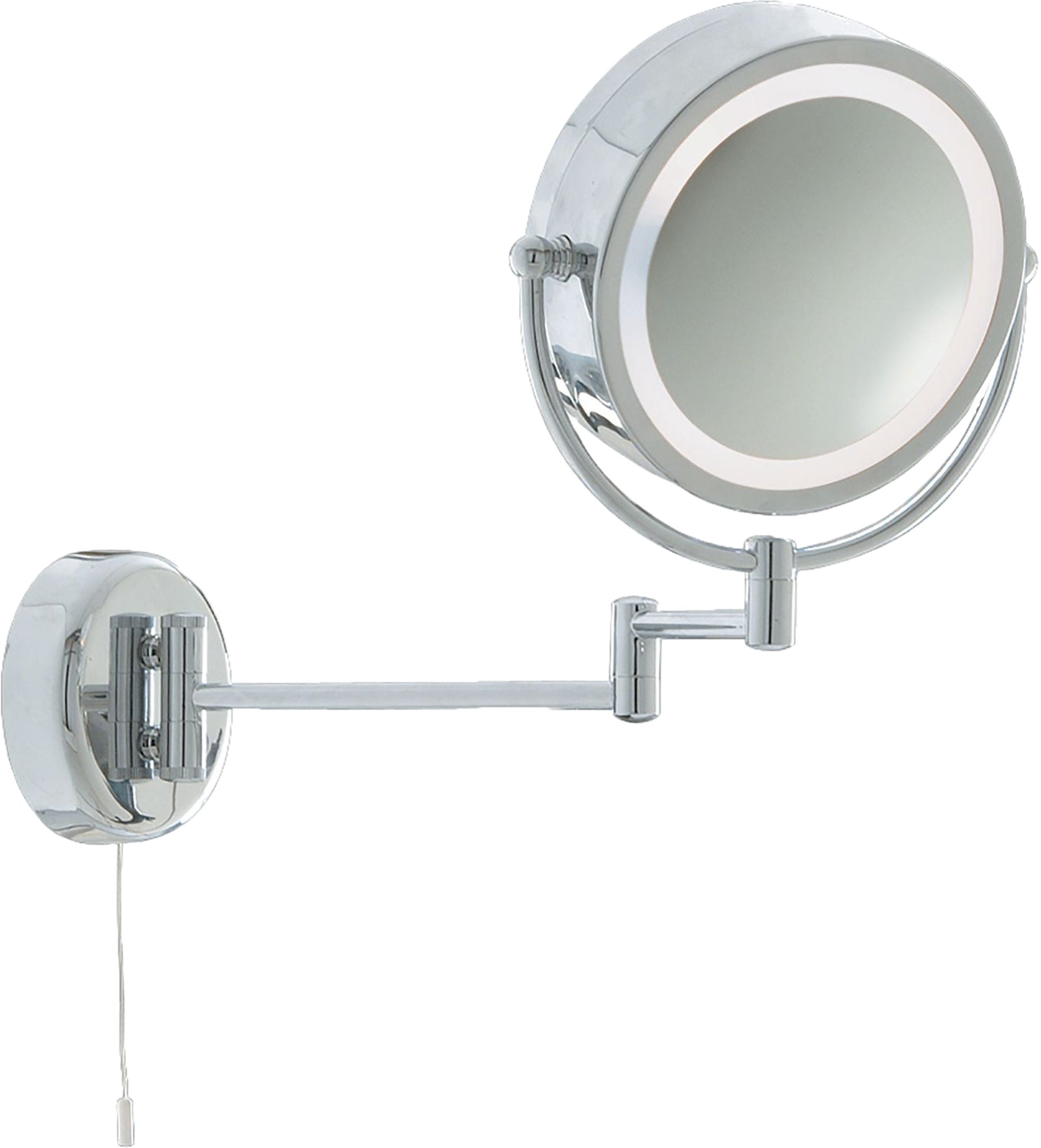
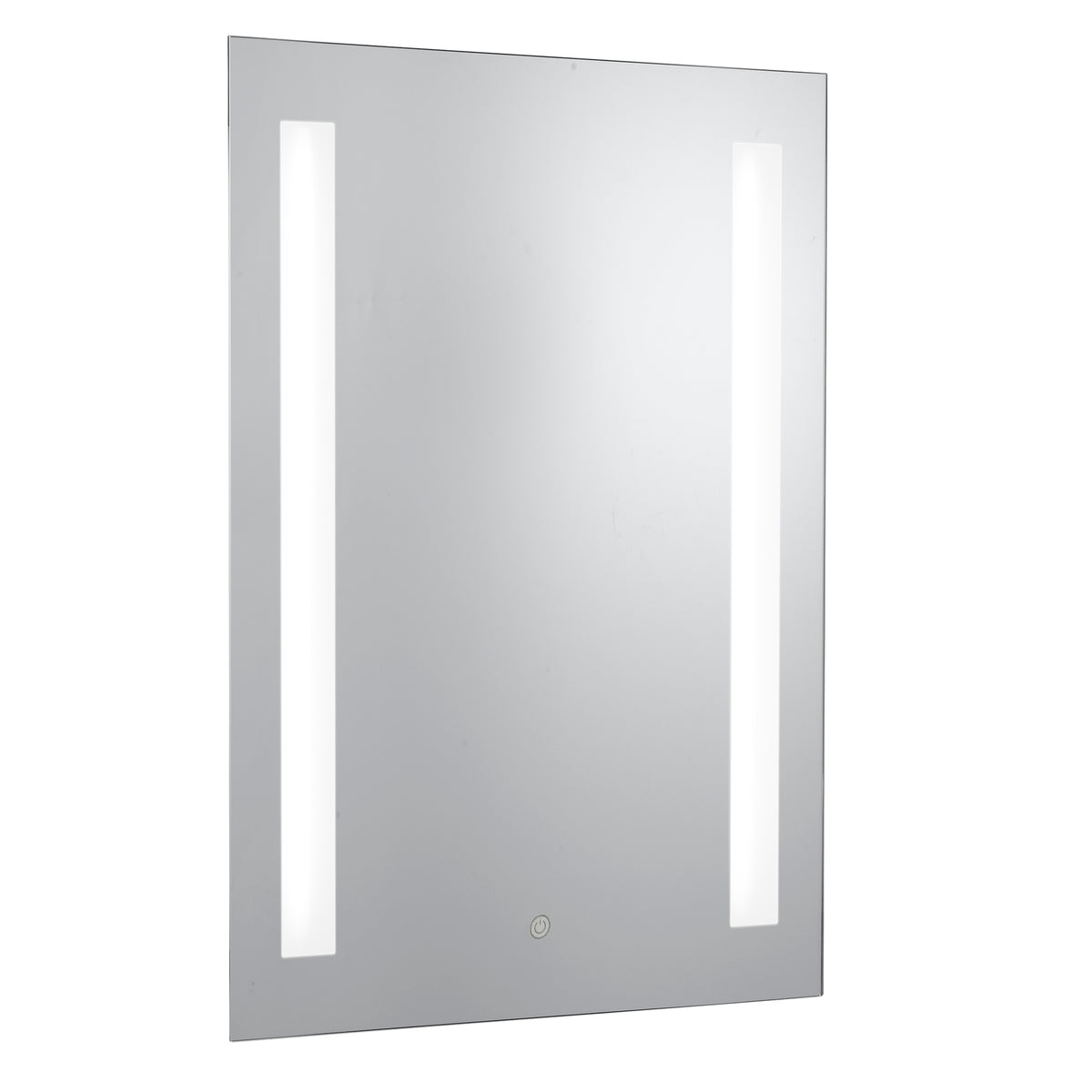
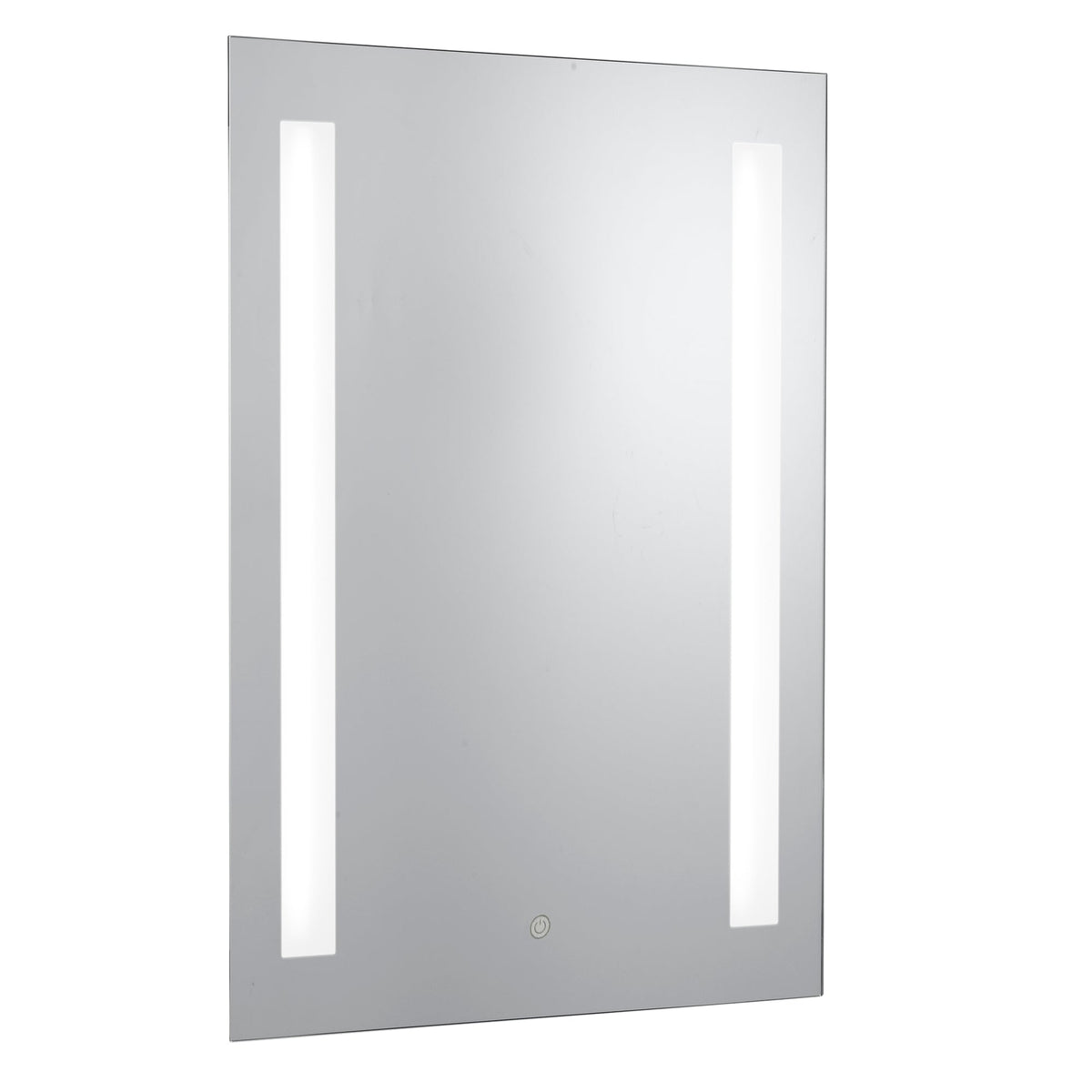
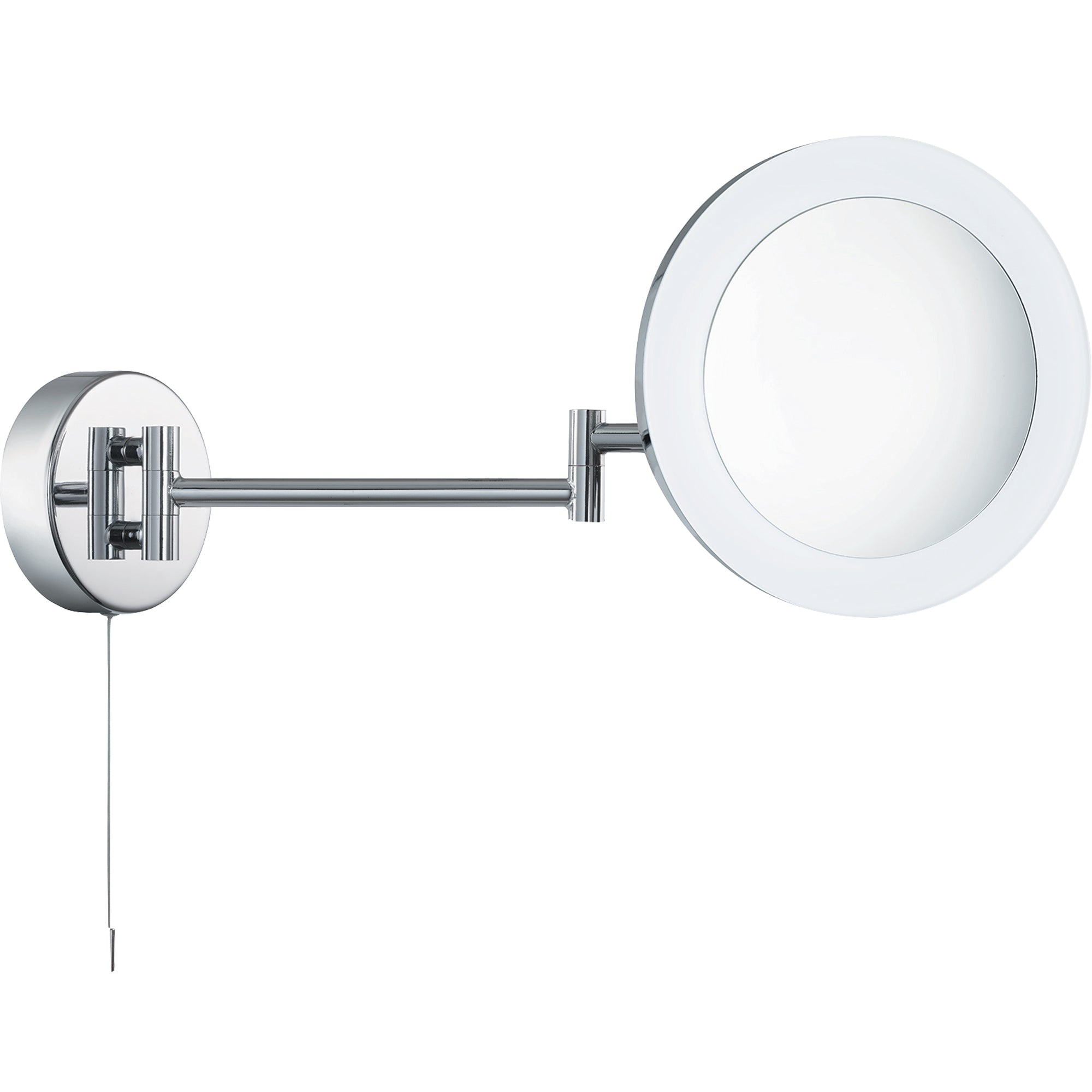
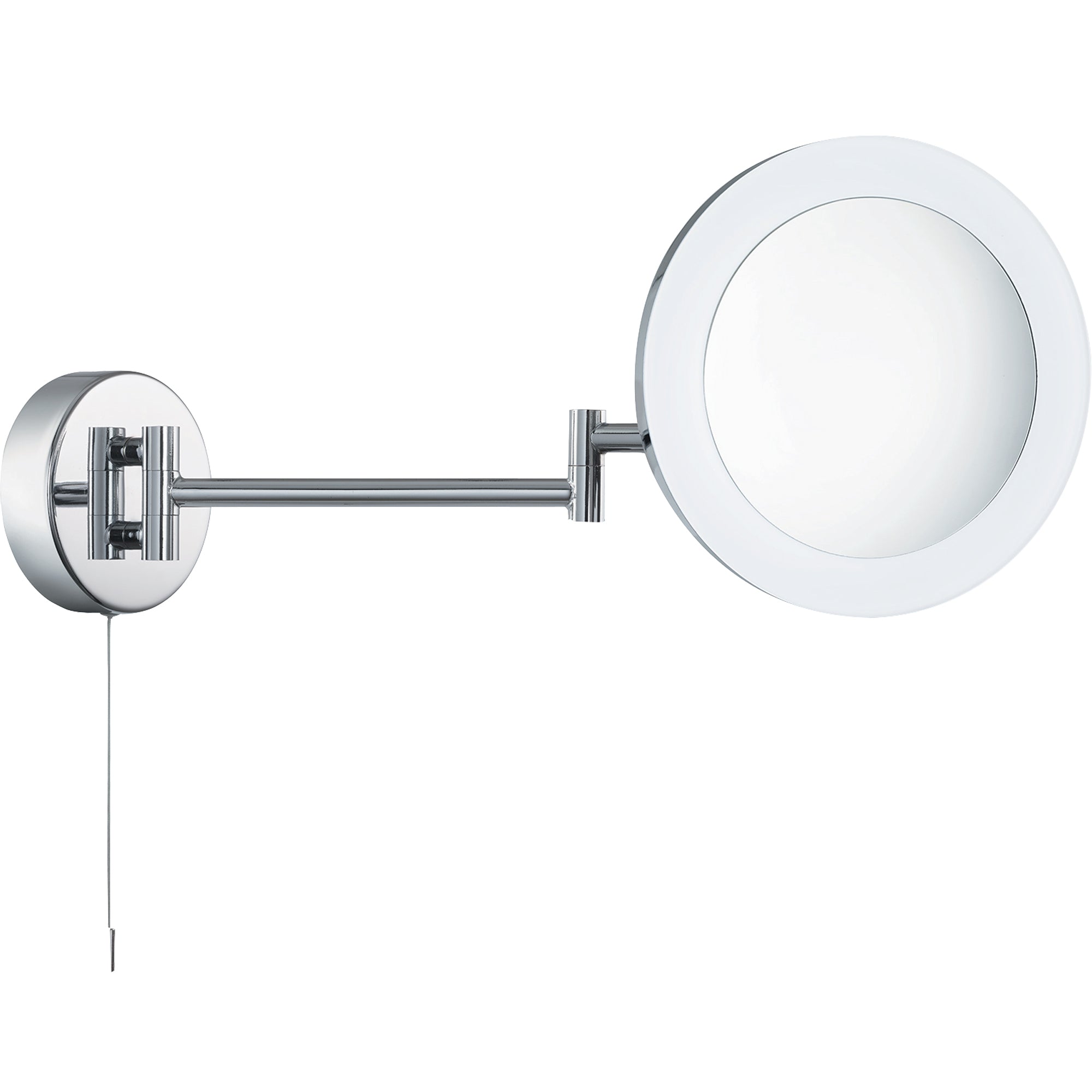
Illuminated mirrors do the same job in one piece, which suits a small bathroom where there is no wall left either side.
Overhead light
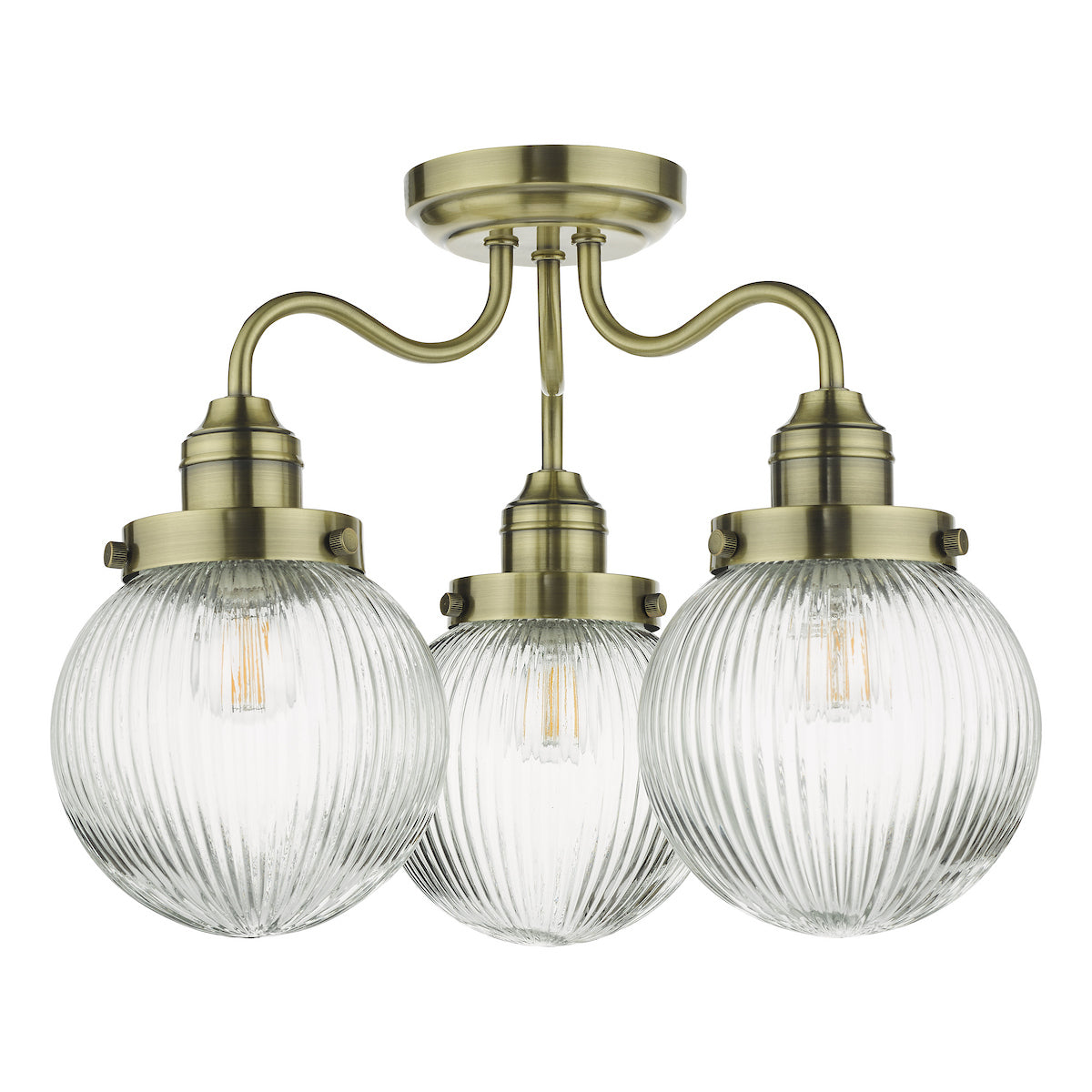
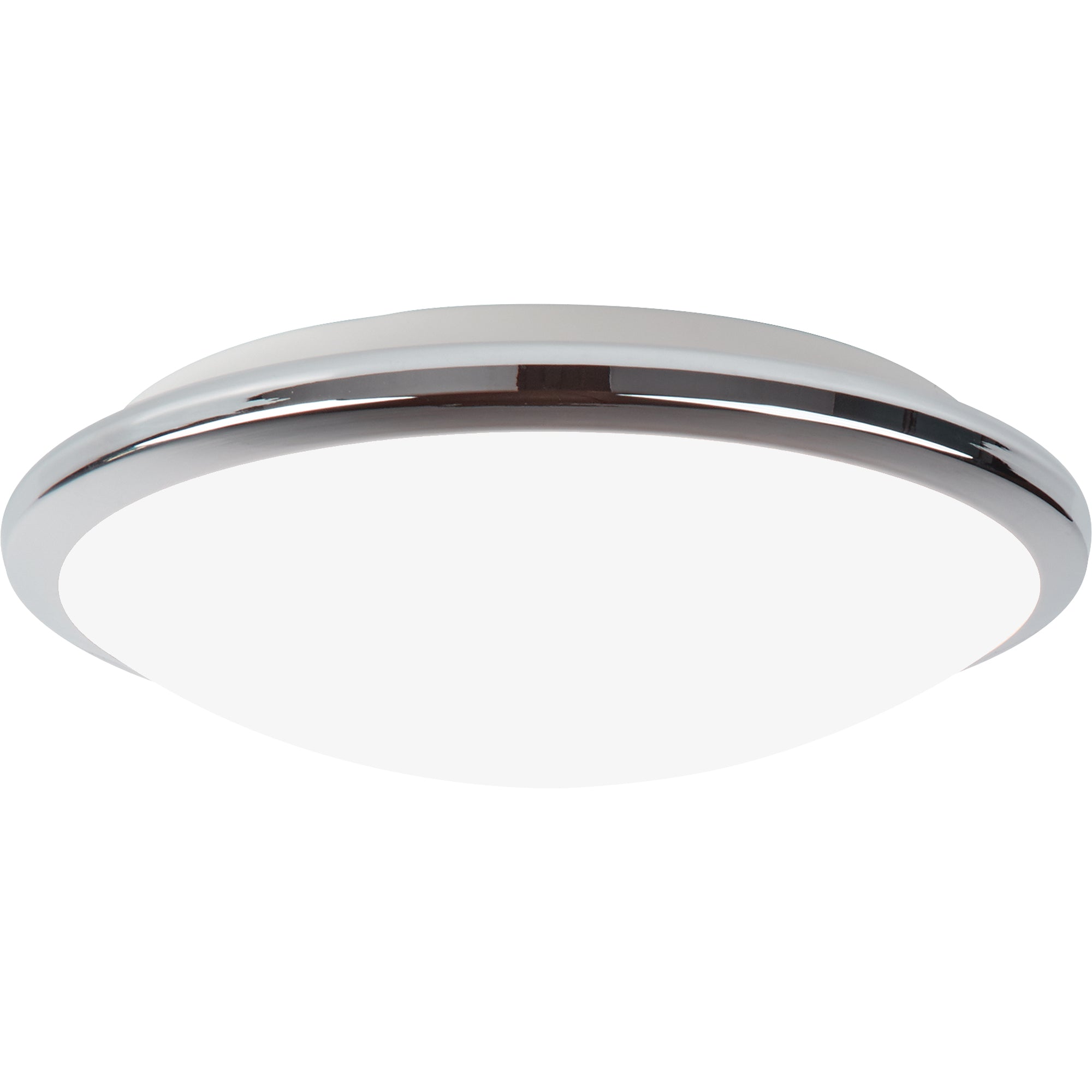
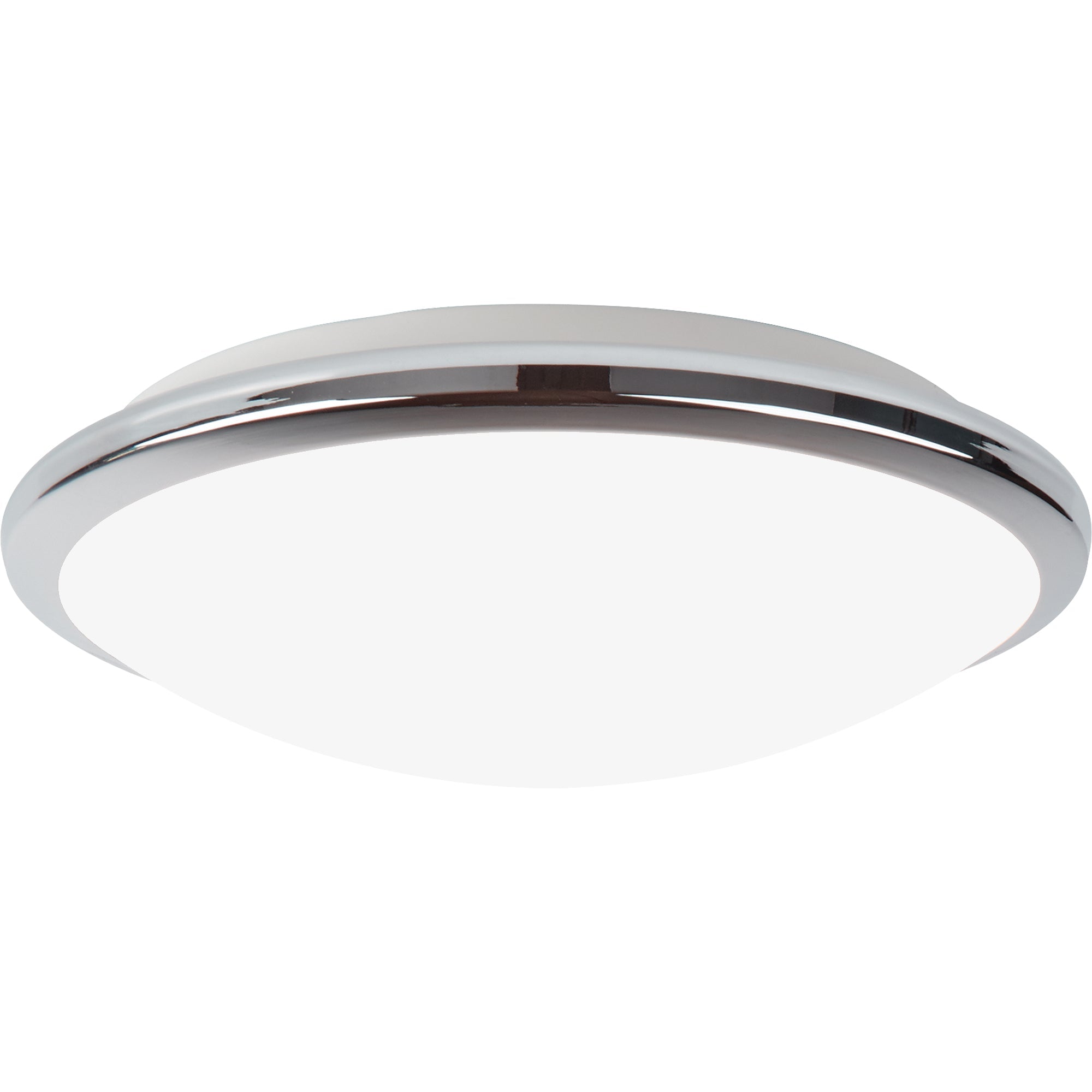
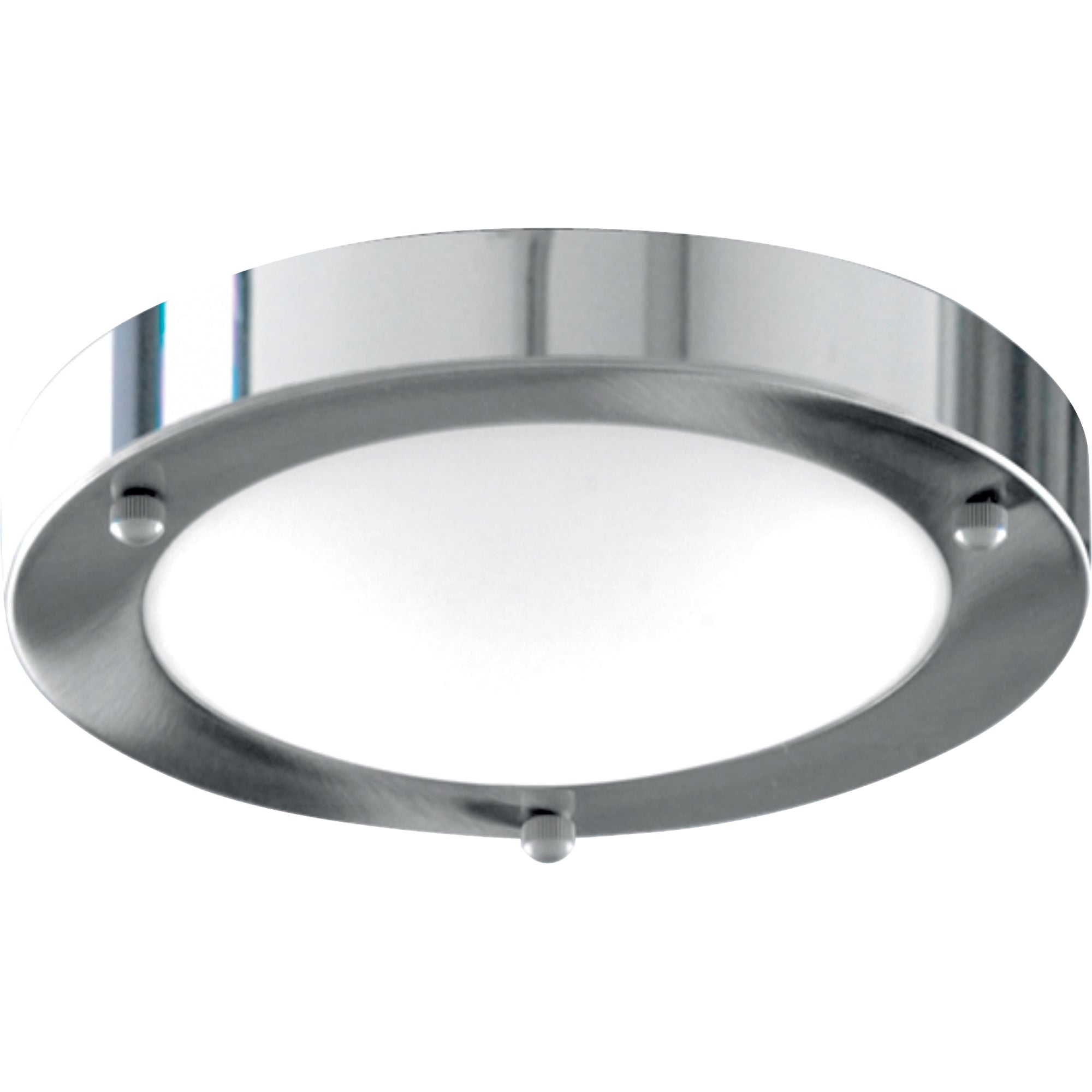
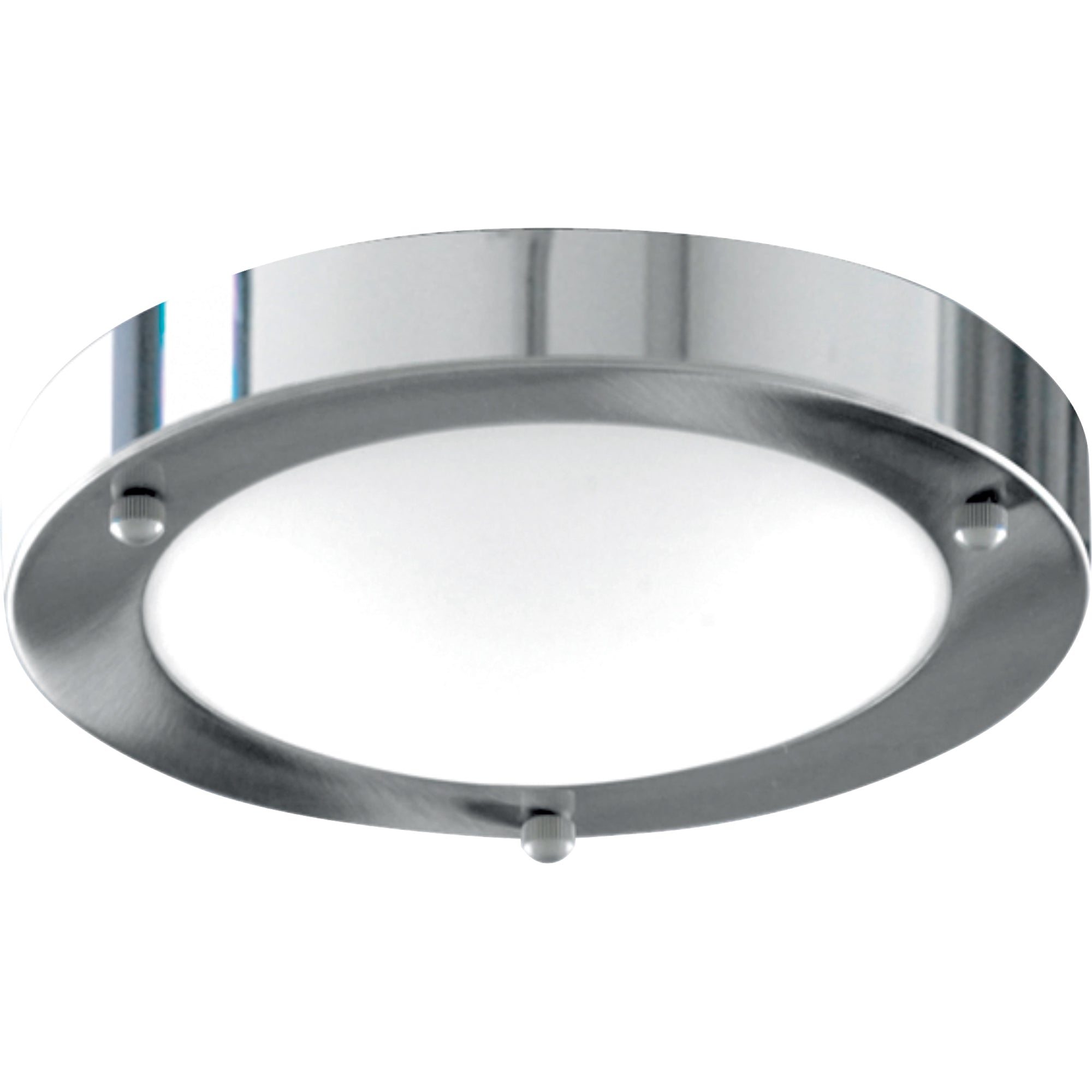
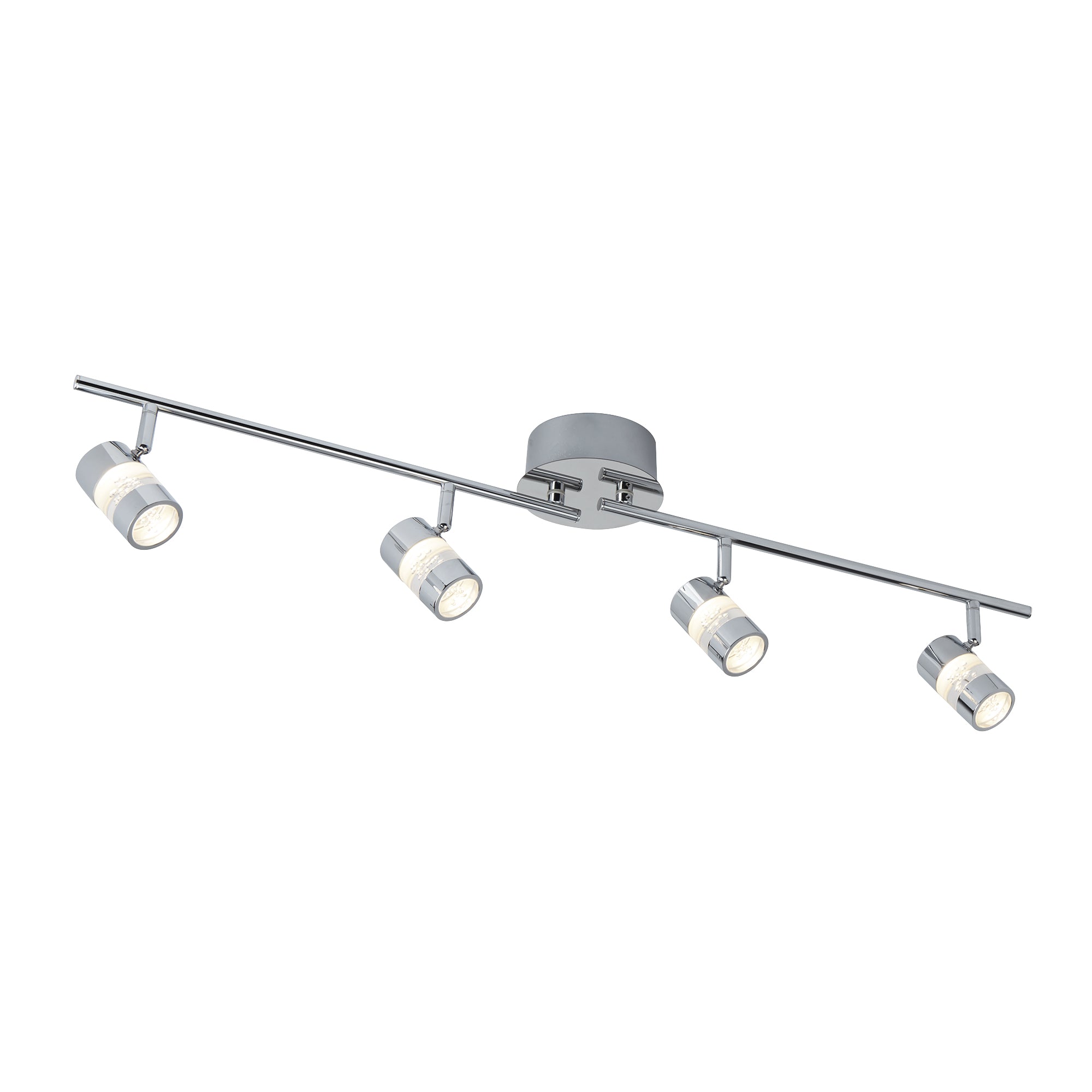
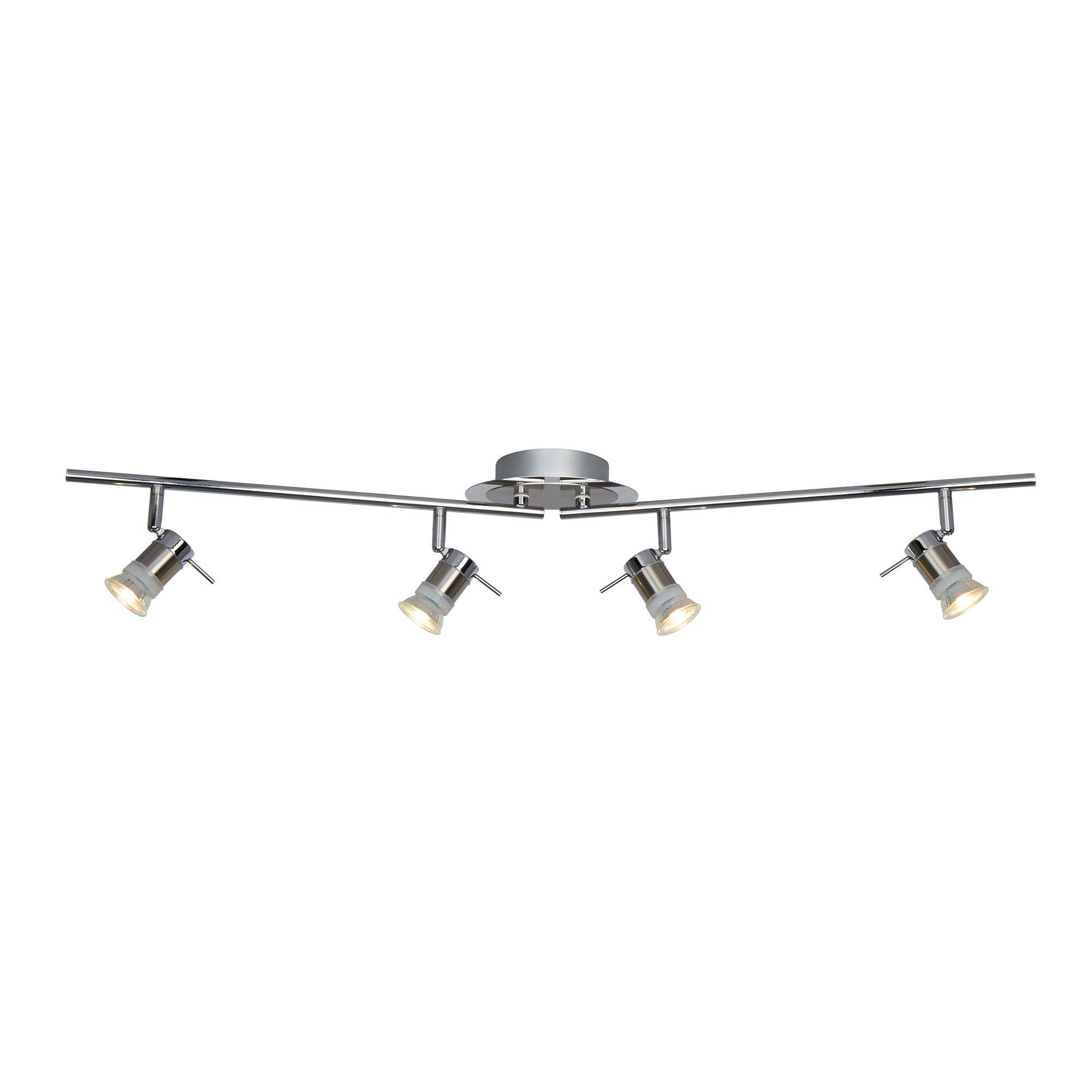
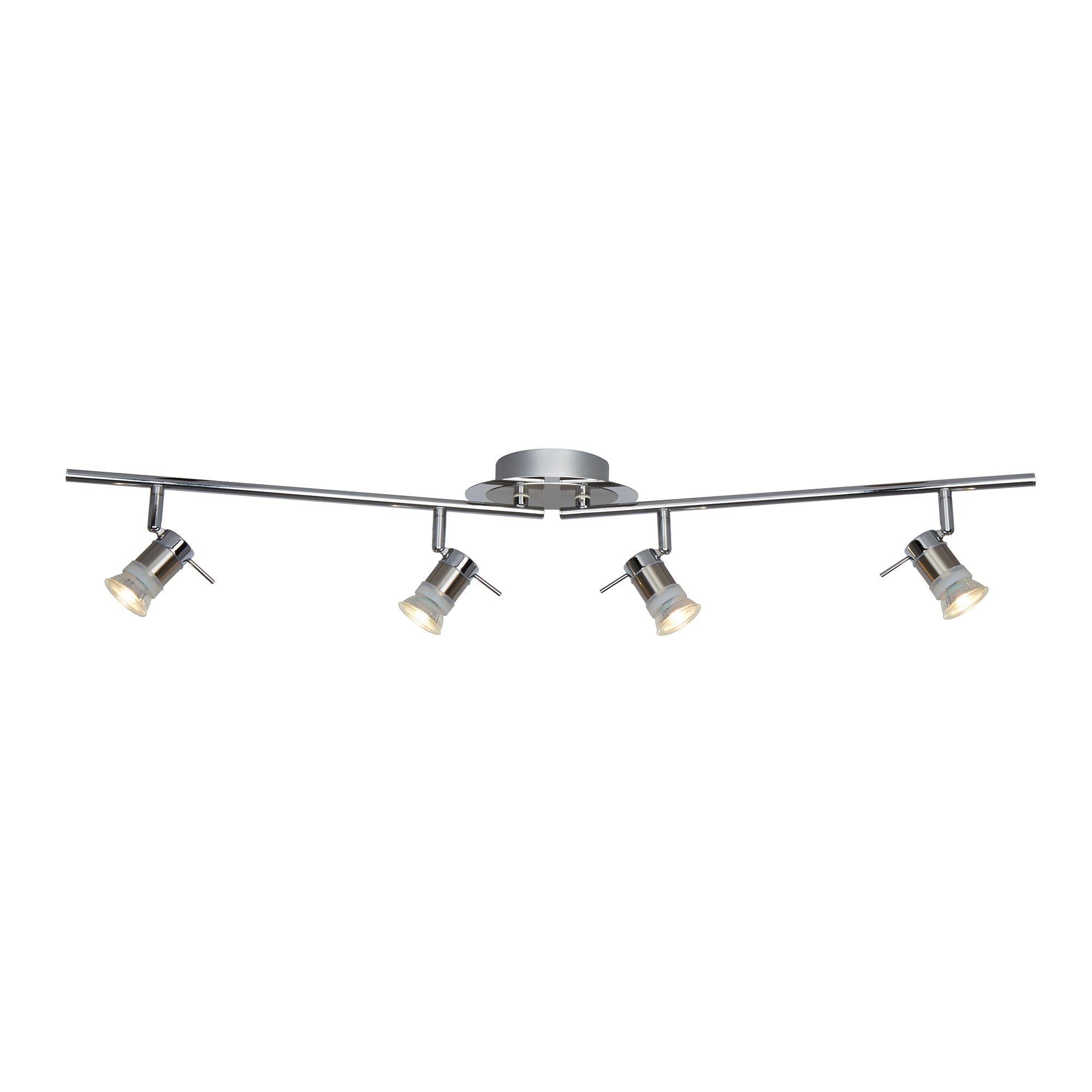
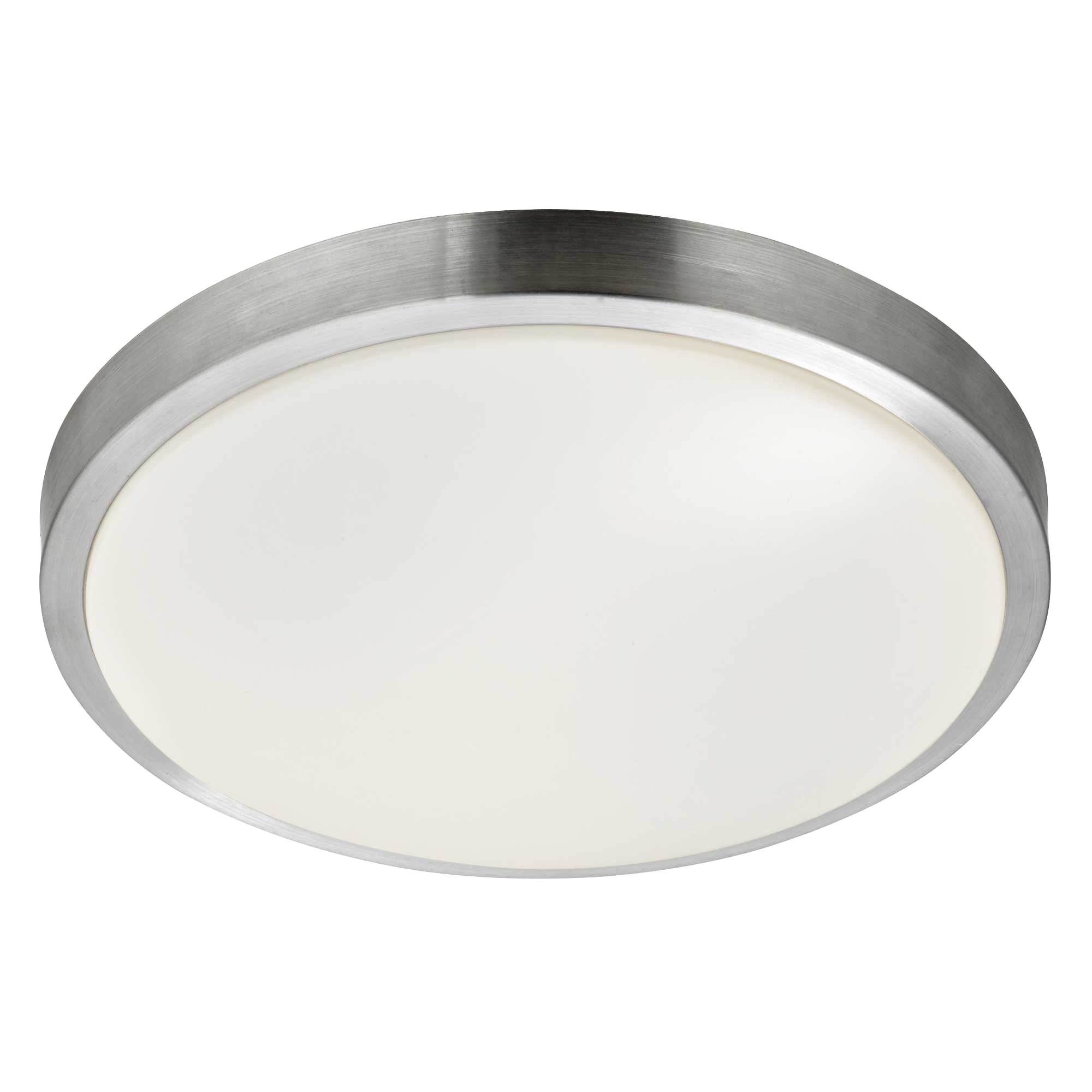
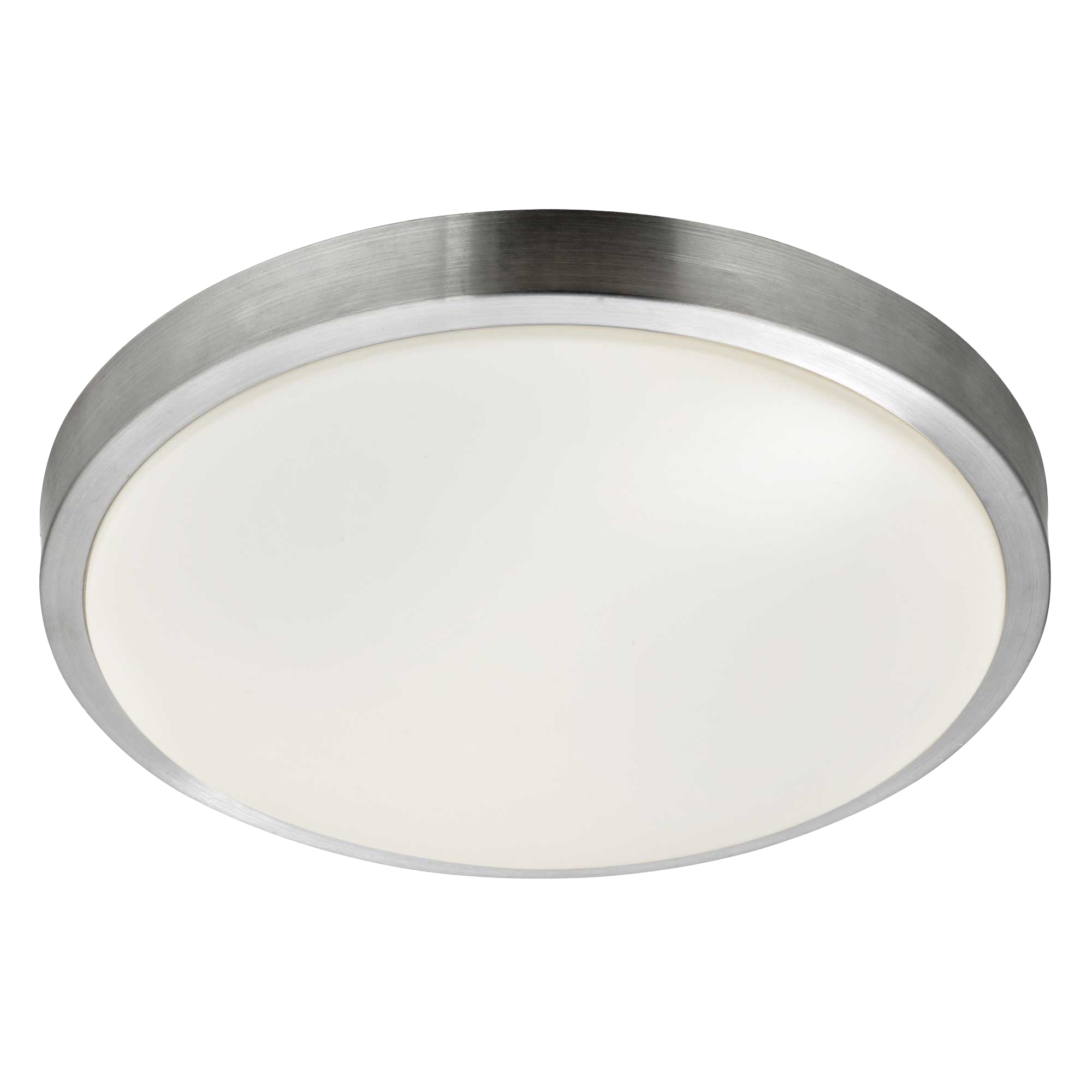
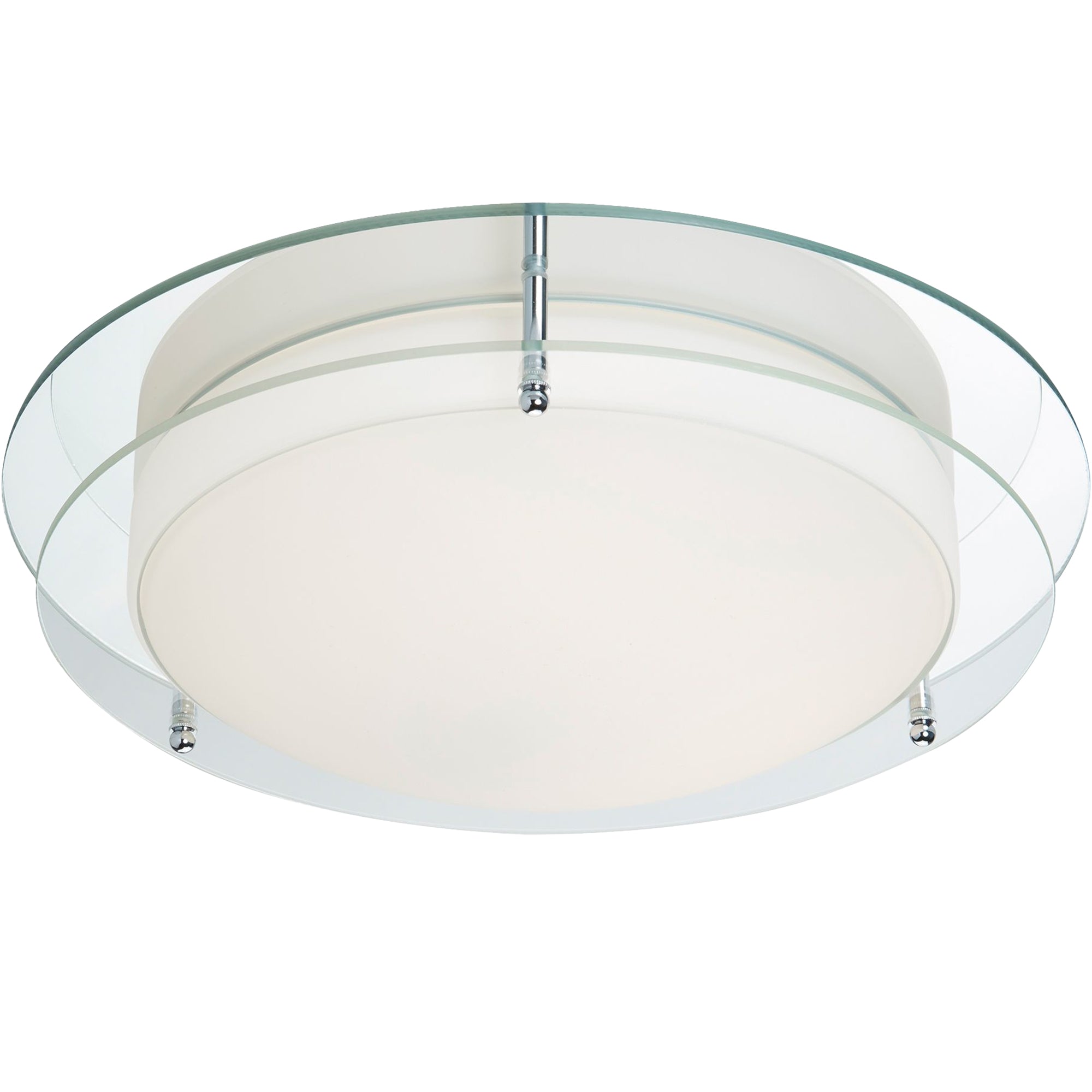
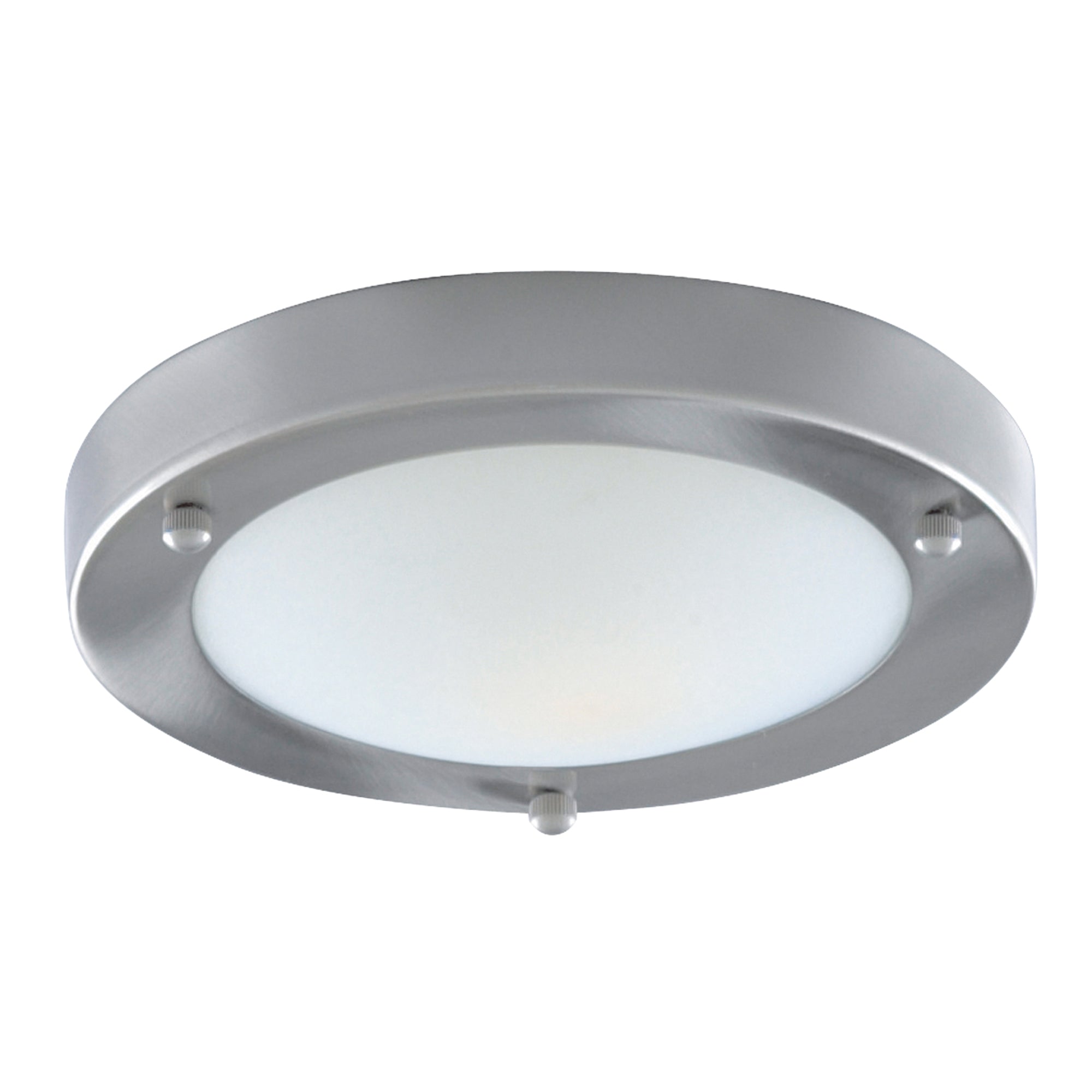
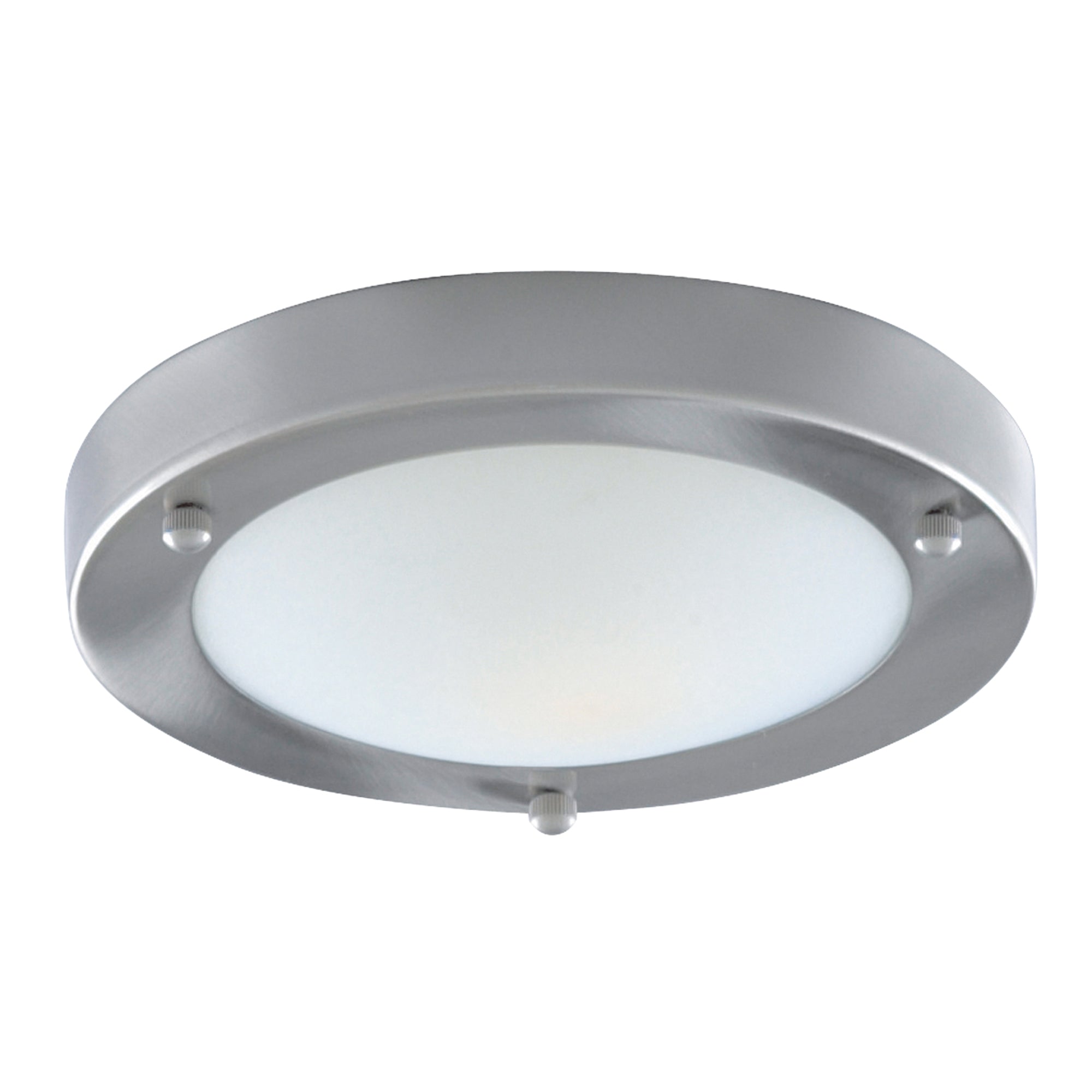
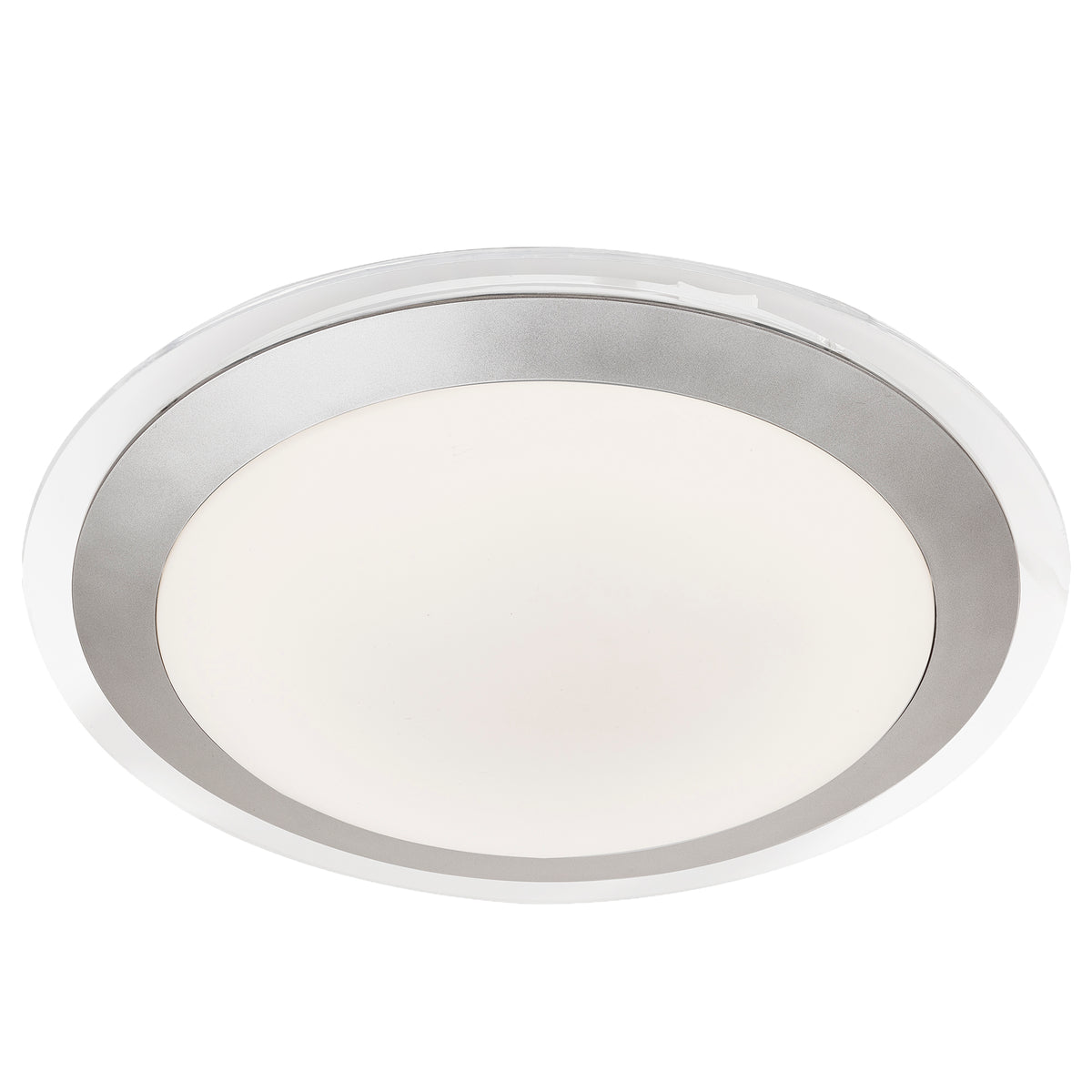
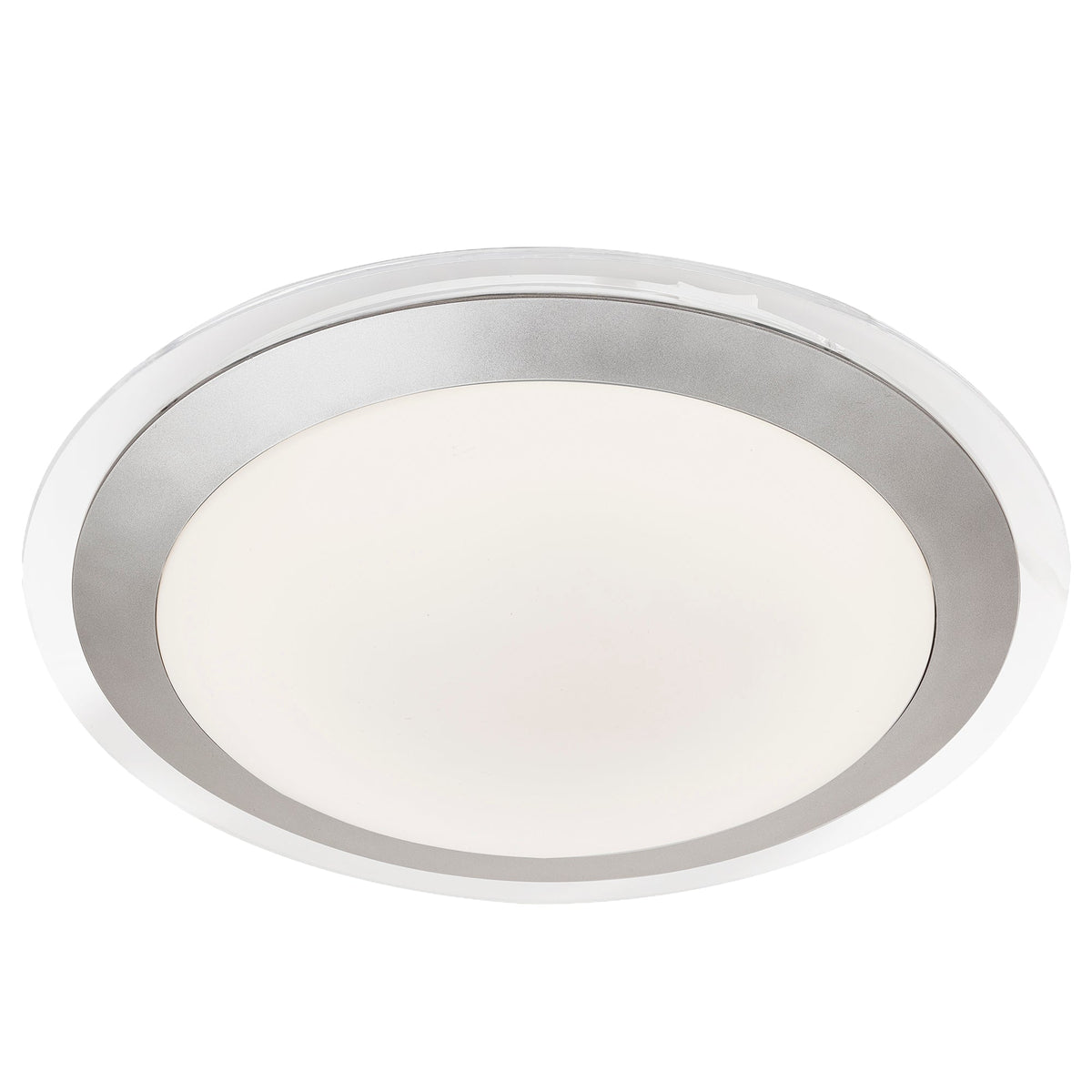
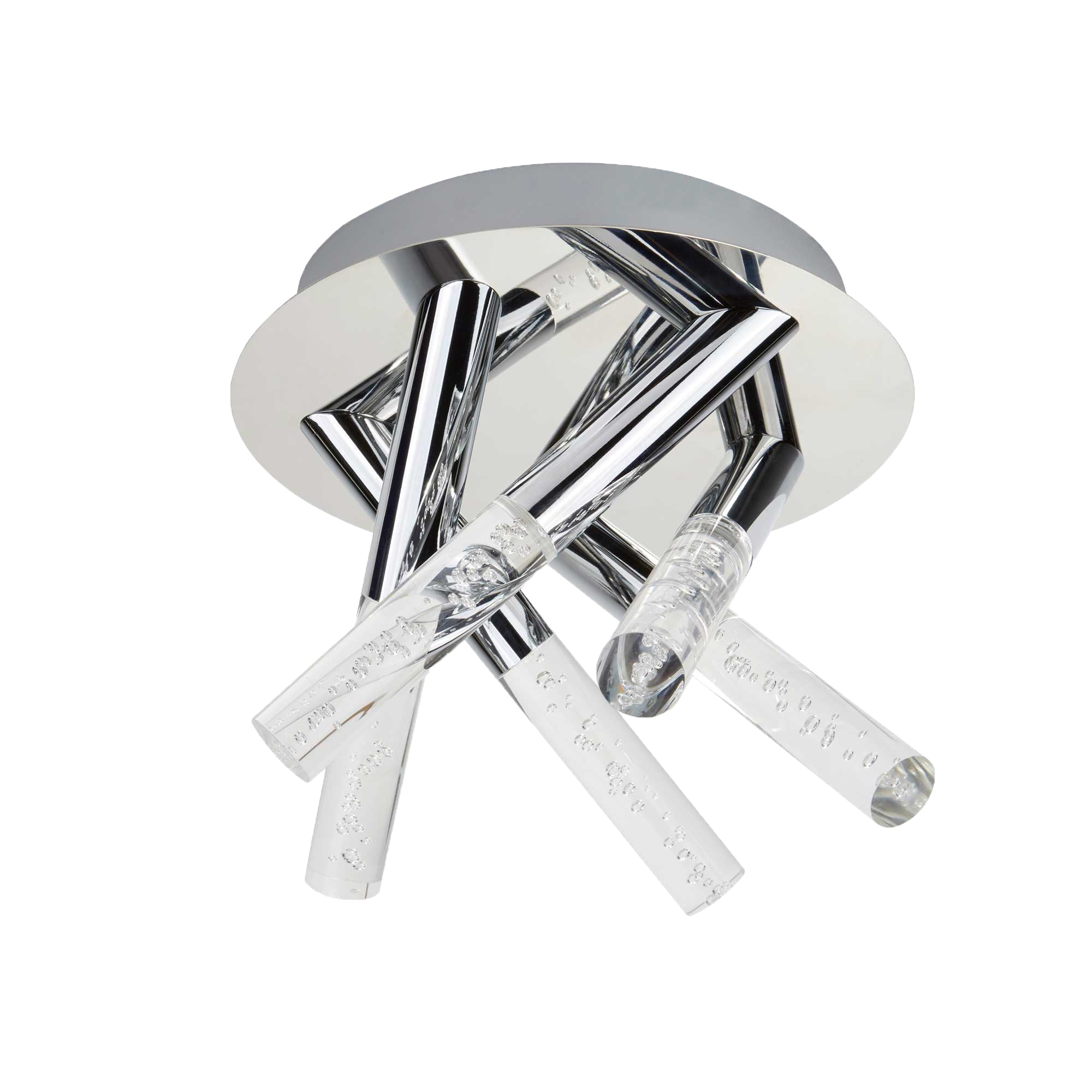
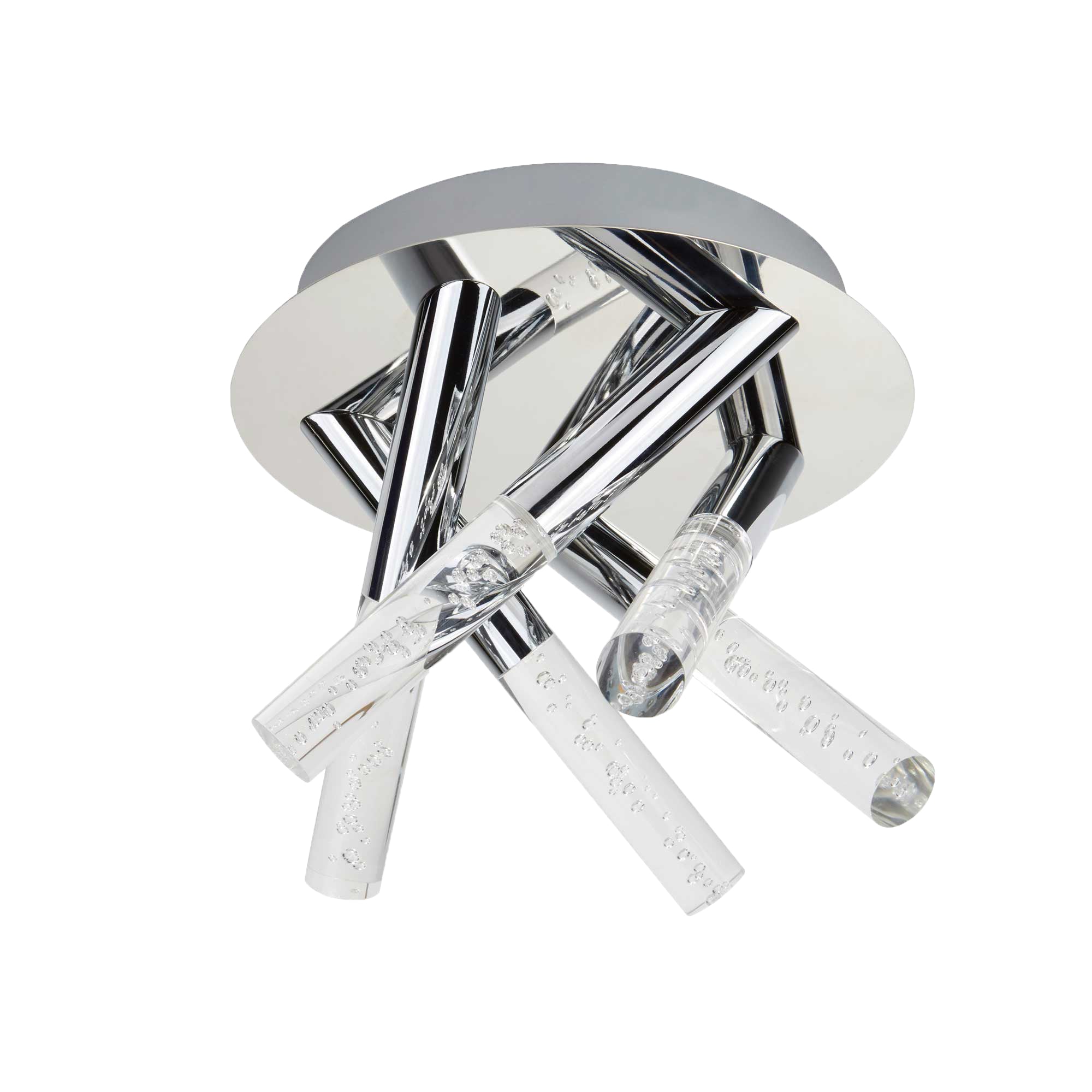
Flush ceiling fittings and recessed spots are the usual answer, because most bathrooms have neither the height nor the space for anything hanging. Position spots over where you stand rather than in a tidy grid down the centre of the room, or you end up lighting the floor and standing in your own shadow at the basin.
A word on steam
Ratings deal with splashing and jets. Steam is a slower problem, and in a small bathroom with poor ventilation it works its way into fittings over years rather than minutes.
Decent extraction protects your lighting as much as it protects your paintwork. If your bathroom fogs up and stays fogged, that is worth solving alongside the lighting.
Installation
Bathroom lighting must be installed by an electrician registered with Safe Electric. This is not a category for doing it yourself, and it is not one where a rating gets bent to suit a fitting you have fallen for.
If you have your heart set on something and are not sure it is allowed where you want it, ring us. We can usually find a rated fitting in a similar style rather than have you order something that cannot go up.
Come and talk it through
Bathrooms are the category where a five-minute conversation saves the most bother. Bring the dimensions and a photograph into our showroom in Donabate, Co. Dublin and we will point you at fittings that will actually work in your room.
Bathroom lighting: your questions answered
What IP rating do I need in a bathroom?
It depends which zone the fitting is going into. Directly above a bath or shower typically needs a high rating such as IP65. Around a basin, IP44 is generally the minimum. Every product page lists its rating, and your electrician will confirm what your specific position requires.
Can I put a pendant light in a bathroom?
Sometimes, in a position well clear of the bath and shower and with a suitable rating, but it depends entirely on the room. Ceiling height and layout decide it. Ask your electrician before ordering.
Can I fit bathroom lights myself?
No. Bathroom lighting must be installed by an electrician registered with Safe Electric.
Browse the rest of the range




Recently viewed
Match Your Switch
Bathroom Lights
Ceiling fittings, mirror lights and wall lights rated for bathroom use.
What the zones and IP ratings mean, in plain English, below the collection.
The one room where the rules are not optional
Bathroom lighting is the only category in the shop where the fitting you like might simply not be allowed where you want to put it. Water and electricity make this a regulated area, and the rules exist for obvious reasons.
The good news is that it is not complicated once you know the shape of it. A bathroom is divided into zones based on how close a position is to a bath or shower. The closer it is, the more protection the fitting needs. Every fitting carries an IP rating that says how much protection it offers.
Match the rating to the zone and you are fine. Your electrician will confirm which zone your position falls into, and that conversation should happen before you order rather than after.
Zones and ratings, roughly
| Zone | Roughly where | What it needs |
|---|---|---|
| Zone 0 | Inside the bath or shower tray itself | The most protected rating there is, and low voltage. Specialist fittings only. |
| Zone 1 | Directly above the bath or shower, up to 2.25m | A high rating, typically IP65. This is where most bathroom ceiling spots sit. |
| Zone 2 | Extending 0.6m beyond zone 1, and around a washbasin | IP44 as a minimum. Most mirror lights live here. |
| Outside the zones | The rest of the room, clear of splashing | More freedom, though steam is still a factor in a small bathroom. |
This table is a general orientation, not a specification for your bathroom. Ceiling height, shower type and room layout all change where the zone boundaries actually fall. Every product page lists the fitting's rating. Your electrician confirms what your position requires.
Lighting a bathroom mirror
A single light on the ceiling above a mirror is the arrangement that makes everybody look tired. It casts shadows straight down, under the eyes and under the chin, which is precisely where you do not want them when you are shaving or putting on make-up.
Two wall lights either side of the mirror, at around eye level and 75 to 90cm apart, fix it completely. Light arrives from both sides at face height and fills the shadows in rather than deepening them. It is the single biggest improvement most bathrooms can make.
Illuminated mirrors do the same job in one piece, which suits a small bathroom where there is no wall left either side.
Overhead light
Flush ceiling fittings and recessed spots are the usual answer, because most bathrooms have neither the height nor the space for anything hanging. Position spots over where you stand rather than in a tidy grid down the centre of the room, or you end up lighting the floor and standing in your own shadow at the basin.
A word on steam
Ratings deal with splashing and jets. Steam is a slower problem, and in a small bathroom with poor ventilation it works its way into fittings over years rather than minutes.
Decent extraction protects your lighting as much as it protects your paintwork. If your bathroom fogs up and stays fogged, that is worth solving alongside the lighting.
Installation
Bathroom lighting must be installed by an electrician registered with Safe Electric. This is not a category for doing it yourself, and it is not one where a rating gets bent to suit a fitting you have fallen for.
If you have your heart set on something and are not sure it is allowed where you want it, ring us. We can usually find a rated fitting in a similar style rather than have you order something that cannot go up.
Come and talk it through
Bathrooms are the category where a five-minute conversation saves the most bother. Bring the dimensions and a photograph into our showroom in Donabate, Co. Dublin and we will point you at fittings that will actually work in your room.
Bathroom lighting: your questions answered
What IP rating do I need in a bathroom?
It depends which zone the fitting is going into. Directly above a bath or shower typically needs a high rating such as IP65. Around a basin, IP44 is generally the minimum. Every product page lists its rating, and your electrician will confirm what your specific position requires.
Can I put a pendant light in a bathroom?
Sometimes, in a position well clear of the bath and shower and with a suitable rating, but it depends entirely on the room. Ceiling height and layout decide it. Ask your electrician before ordering.
Can I fit bathroom lights myself?
No. Bathroom lighting must be installed by an electrician registered with Safe Electric.